

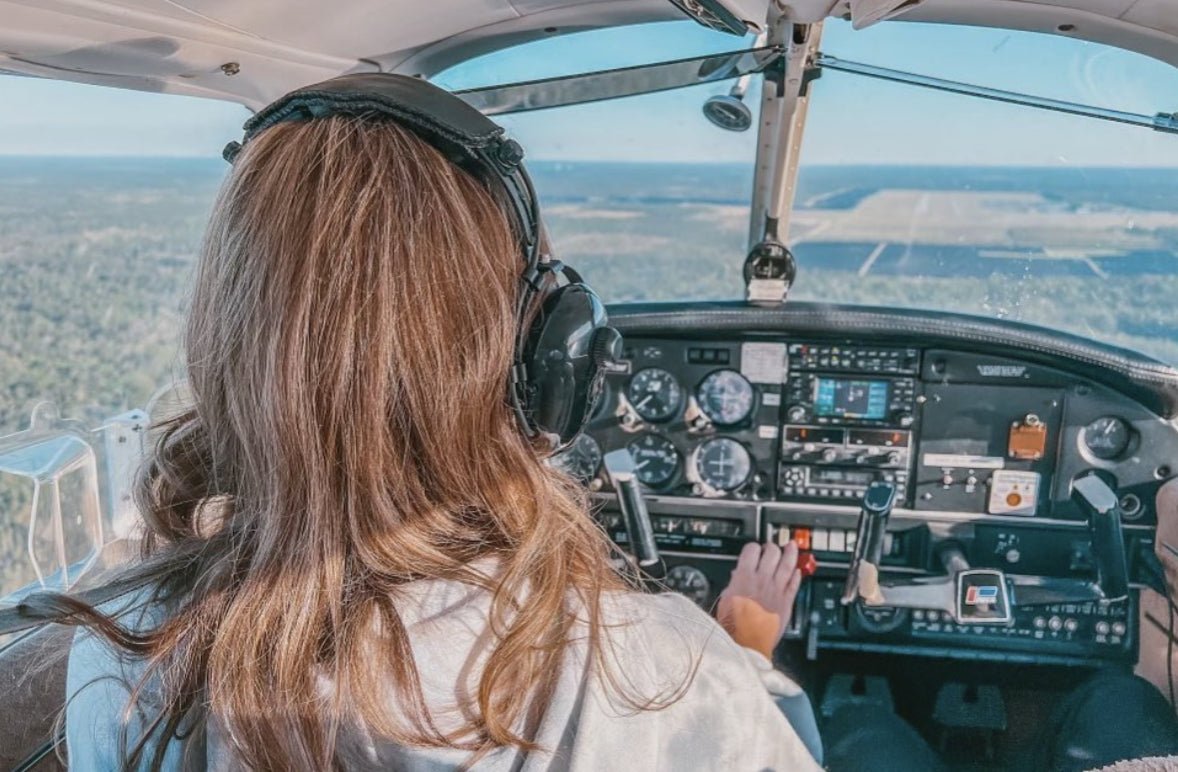
Kore Aviation - Meeting student pilot solo flight requirements is a sign of both skill and trust, from your instructor and the FAA. Whether you are a new aviation student or close to signing off, understanding these rules ensures you're fully prepared and safe.
This guide breaks down the solo process into clear, actionable steps so you can reach this exciting point in your flight journey with confidence.
Key FAA Requirements Every Student Pilot Must Meet
Here are the official student pilot solo flight requirements outlined by the FAA (14 CFR § 61.87):
-
Age Minimum
You must be at least 16 years old for powered aircraft. For gliders or balloons, the minimum is 14. -
Medical Certificate or BasicMed
You must hold at least a third-class medical certificate or qualify under BasicMed (where applicable) -
Student Pilot Certificate
This is obtained through the FAA's IACRA portal and is needed before any solo activity. -
Pass a Knowledge Test
Instructors will provide a pre-solo aeronautical knowledge test that covers airspace, regulations, and maneuvers specific to your airport. -
Flight Training Requirements
You must complete specific maneuvers and training including takeoffs, landings, emergency procedures, and go-arounds. -
Instructor Endorsements
These include pre-solo flight training, knowledge test sign-off, and a 90-day solo flight endorsement.
This checklist ensures you’re legally and mentally ready for solo flight.
Discover More: How to get your private pilot license?
What Your Instructor Will Focus On Before Signing Off
Solo flight is earned, not given. Your instructor will evaluate these areas before granting approval:
-
Consistency in Landings
Smooth, repeatable landings under varying conditions show readiness. -
Situational Awareness
Understanding airspace, radio communication, and visual cues proves you're prepared. -
Calm Under Pressure
Instructors want to see how you handle mistakes, weather changes, or traffic. -
Checklist Discipline
Using and respecting your preflight and inflight checklists is essential.
Meeting these instructor benchmarks is key to solo sign-off.
Tips for Passing Your Pre-Solo Knowledge Test
This internal test often trips up students. Here are study tips:
-
Know Your Airport’s Diagram
Memorize taxiways, runways, and communication procedures. -
Review FAA Regulations
Especially 14 CFR Part 61 and Part 91 sections on student pilots. -
Understand Weather Basics
Decode METARs and TAFs. Know when it's legal and wise to fly. -
Talk to Upperclassmen or Fellow Students
They’ll have insights about test formats and questions.
Passing the knowledge test is an essential part of the student pilot solo flight requirements.
Discover More: 10 reasons to become a pilot
Pre-Solo Flight Maneuvers to Master
Before your instructor signs off, you’ll need to consistently demonstrate safe, controlled command of the aircraft. These include:
-
Taxiing and Preflight Procedures
Know how to perform detailed inspections, checklist procedures, and runway operations. -
Takeoffs and Landings
Master normal, crosswind, and soft field landings. Precision and awareness are key. -
Stalls and Recoveries
You must recognize and recover from both power-on and power-off stalls confidently. -
Traffic Pattern Entry and Radio Work
Communicate with ATC (if in controlled airspace) and fly rectangular patterns accurately.
These skills help verify you are ready to fly safely, alone.
4 Things to Avoid Before Soloing
Even if you meet the student pilot solo flight requirements, avoid these common mistakes:
-
Skipping Weather Briefings
Always check METARs, TAFs, and NOTAMs to make safe solo decisions. -
Flying When Tired
Fatigue reduces reaction time and judgment. Only fly when well-rested. -
Ignoring Checklists
Familiarity breeds bad habits. Always use printed or digital checklists. -
Underestimating Wind Limits
Solo pilots should avoid flights with strong crosswinds or gusts.
Avoiding these missteps keeps your solo flight smooth and safe.
The Gear You’ll Need to Fly Solo
Solo flight readiness isn’t just about knowledge. Your equipment matters too:
-
Flight Logbook
Ensure your instructor endorsements are entered and signed before your solo. -
Aviation Headset
Clear communication with ATC or other pilots is critical. We recommend Kore Aviation KA-1 for its comfort, clarity, and affordability, especially for students. -
Sectional Charts
Even for local flights, charts help you remain situationally aware. -
Stopwatch or Aviation Timer
Timing matters for pattern work, fuel tracking, and training goals.
Having reliable gear enhances safety, communication, and comfort on solo day.
Why Kore Aviation Supports First-Time Solos
Kore Aviation understands the needs of student pilots better than anyone and is one of the most trusted models by instructors nationwide.
Benefits of choosing Kore Aviation include:
- Lightweight, padded design for extended wear
- Clear mic performance even in noisy training aircraft
- Budget-friendly pricing without compromising quality
- Trusted by flight schools and CFIs across the country
FAQs: Student Pilot Solo Flight Requirements
-
How many hours before a student can solo?
Most solo after 10 to 20 hours, depending on skill, weather, and training frequency. -
Is a written test required before solo?
Yes. You must pass a pre-solo written exam covering regulations and procedures. -
Can I solo at night?
Not initially. Night solo requires additional training and a separate endorsement. -
Does the solo flight count toward a pilot license?
Yes. Solo time is required for Private Pilot certification. -
What if I feel nervous before my solo?
It’s completely normal. Practice mental rehearsals and ask for extra pattern time if needed. -
Is my instructor required to watch my solo?
Not required, but most instructors monitor your flight from the ground.
Conclusion and Final Thoughts
Meeting the student pilot solo flight requirements is a huge milestone. From age and medicals to ground school and endorsements, every step prepares you to be safe and confident in the cockpit. With the right mindset, skills, and gear, your first solo will be a flight to remember.


