

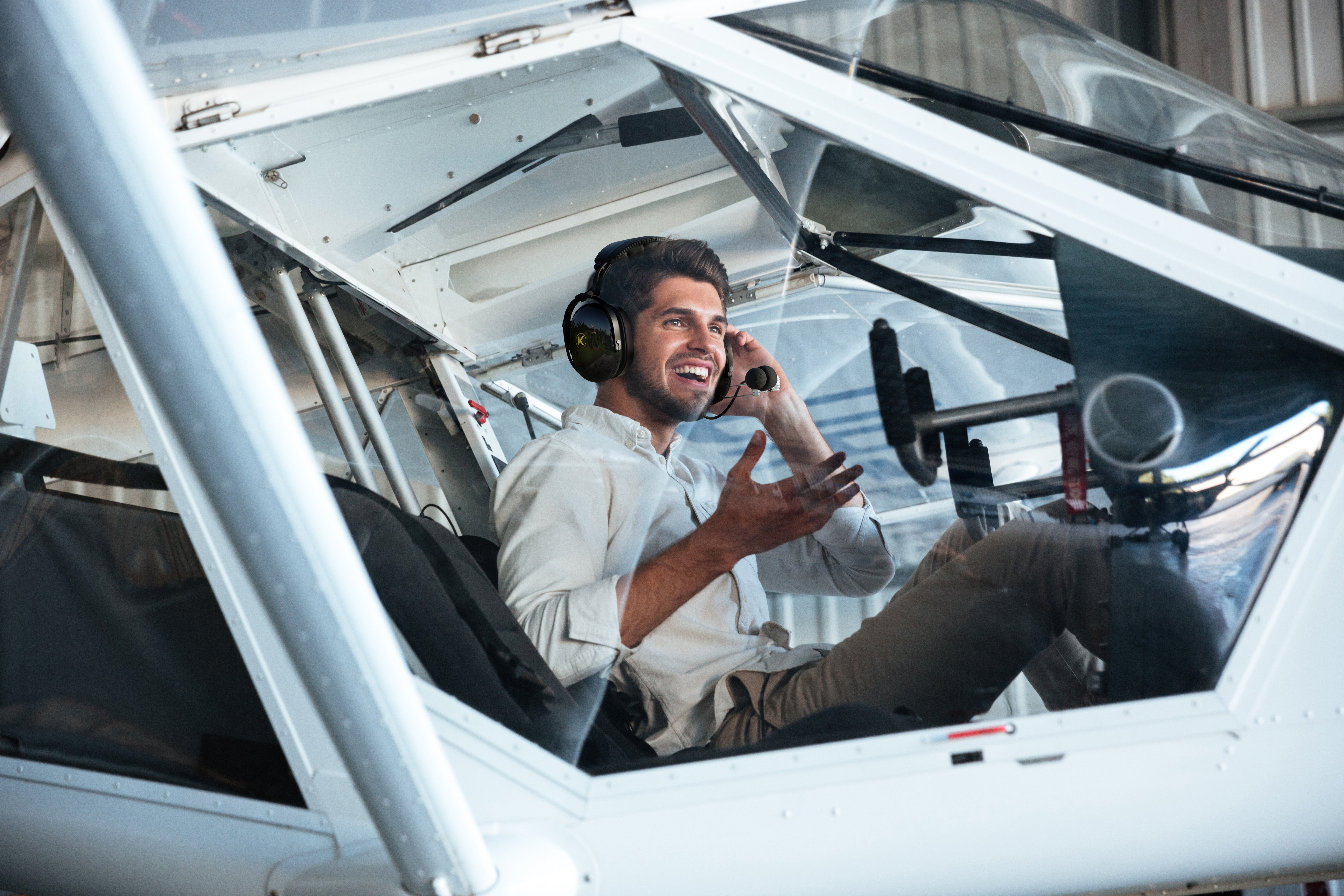
Kore Aviation - Ever wondered what it’s really like to be a helicopter pilot? From flying VIPs and rescuing lives to navigating unpredictable skies, the job is far more than just handling the controls—it’s a high-stakes career full of challenges, precision, and purpose.
What Does a Helicopter Pilot Do?
Helicopter pilots perform more than just fly. They also save lives. There are flying VIPs over city skylines, delivering medical aid in emergencies, and even flying high above the law enforcement assessing for any crime scenes.
Each trip is a new adventure and that is what makes these careers so unique. Helicopter pilots have the ability to change whatever route they wish as there are no pre-assigned paths.
No different from flying a plane, operating a helicopter requires the same level of mastery. Helicopters fly at lower heights when compared to planes. When flying a helicopter, one must be ready at all times for sudden climatic changes, unfavorable landscapes, and small spaces for landing.
If a pilot wants to transition from landing on a ship to a hospital rooftop, they need to be ready to show immense patience and effort.
Aside from the thrill of flying, the job does not come easy, as a pilot now has the responsibility of so many people. Safety, as always, is the top priority. When transporting cargo, conducting aerial surveys or even assisting with a rescue, the bar for performance is extraordinarily high.
With so many responsibilities, it is easy to understand why helicopter pilots require the perfect mindset alongside the right tools.
Essential Skills Every Helicopter Pilot Needs to Land Top Helicopter Pilot Jobs
It's not only about the hands of the controls when it comes to being a helicopter pilot. Staying calm under stress, quick thinking, and changing to the flying conditions are vital to handling the helicopter. The following lists consists of the most important skills that every pilot should work on:
1. Hand-Eye Coordination & Reflexes
Helicopters adjust to control actions nearly instantly and precisely. A lackluster reaction has the potential to inflict severe injury. During a flight, the operator must be prepared to provide continuous adjustments to the craft’s side to side and up and down motion, especially in bad weather.
2. Situational Awareness
Helicopter pilots usually follow more convoluted pathways in comparison to the straightforward ones taken by commercial airliners. Being aware of possible moving hazards or emergencies as well as changes in the weather is all part of maintaining ‘situational awareness.’
3. Strong Communication Skills
Communication with the air traffic controllers and ground crews, and at times even the people on board, is a constant for a helicopter pilot in flight. Being effective and clear in communication is critical if an orderly and calm flight is to occur.
4. Decision-Making Under Pressure
The same skill set is necessary for completing search and rescue missions done in adverse weather conditions and during turbulent flying. A lack of decisiveness in the air is dangerous, and neither does one have the privilege to waste time pondering.
Apart from these, pilots must learn and memorize the technical details of the specific aircraft they’re flying, relevant legal regulations, and actively seek to refresh their knowledge. The learning never really stops, but that is one of the most fulfilling aspects of the profession.
Discover More: How to Become a Pilot: Costs, TSA, and Hours of Flight Training
Most Difficult Aspects of Being a Helicopter Pilot
Flying helicopters sounds like an adventure (and it is!), but it’s not without its challenges.
1. Unstable Weather Conditions
Weather is one of the biggest challenges for even a beginner helicopter pilot. Helicopters fly relatively lower to the surface, making them more vulnerable to rough air, strong winds, and turbulent activity.
They also have to fly around oversized cars beneath them with planes above them, which complicates the situation even more. Because of this, pilots are trained to monitor the weather and modify their approach.
2. Long Hours & Fatigue
The aviation sector is challenging, and working with fatigue is a problem. Numerous helicopter emergency medical service (HEMS) pilots, including those servicing offshore, would fly on multiple missions within a single day. Aviation-related work is often prolonged, which makes rest and recovery management crucial.
3. Tough Landing & Takeoff Conditions
Helicopters do not require wide open spaces to land like planes do, which makes their landing zones much more unforgiving and cramped. Unlike a rescue operation on a mountainside or landing on a bustling rooftop, the approach or approach to each scenario also varies. Experience and Accuracy are of utmost importance.
While these challenges are difficult to overcome, hundreds of if not thousands of pilots would agree that the joy of flying makes the challenge worthwhile. Not to mention the proper equipment makes the job far easier and safer.
Why the Right Aviation Headset Matters for Every Helicopter Pilot
Regardless of how skilled a pilot is, they are only as good as the tools they utilize. A skilled helicopter pilot operator should remember the importance of a top-of-the-line headset. Communication is as critical as flying and to ensure that rotors cutting through air, engines at peak performance and prolonged exposure to loud engines isn’t a concern, a headset is needed.
In comparison to commercial airplanes, helicopters are three times as loud. Broken communication amongst the pilot and co-pilot will put a top-notch headset on with the exception of interference communication with Air Traffic and fellow crewmembers.
It's not merely putting on a headset to protect the ears, but a demand to undertake a multitude of pilot level headset tasks with… crystal clear accuracy.
What are the features to check in a headset?
1. Noise cancellation
A good headset should cancel out as much engine noise as possible so you can concentrate.
2. Comfortable fit
Since pilots use headsets for long periods of time, they should be light and have adequate cushioning.
3. Clear audio transmission
Hearing audio clearly is important, especially during communication which can be stressful.
One great option is the Kore H1 headset. It's built specifically for helicopter pilots, offering great noise-canceling capabilities, comfort during extended flights, and reliable communication. Whether you're flying a 20-minute survey or spending hours in the air, it holds up.

Other must-have gear includes:
a. Aviation sunglasses – Helps reduce glare, making it easier to see instrument panels and landscapes.
b. Flight bags – Keeps all essential documents, maps, and emergency tools organized.
c. GPS & Navigation Apps – Enhances route planning and ensures a smooth flight experience.
Putting money into training tools that are high-class is equally relevant as spending money on training. It ensures safety, increases working speed, and basically makes flying more fun.
Final Thoughts
As far as career options are concerned, being a helicopter pilot is among the most thrilling ones. It has its challenges, but it is incredibly rewarding, and offers professional variety. You will have the opportunity to work on high-stake rescue missions and also fly tours, the possibilities really are endless.
Success owes itself to logging flight hours, but if you want to stay ahead of the competition learning and staying sharp is a must. A Kore H1 headset is an example of how the right equipment can improve one's performance and comfort in the cockpit.
If soaring the skies truly excites you, start amplifying your skill set, prepping for incoming challenges, and most importantly get the right equipment. Meeting the right attitude and tools will provide the means of achieving a rewarding career in helicopter piloting.


