

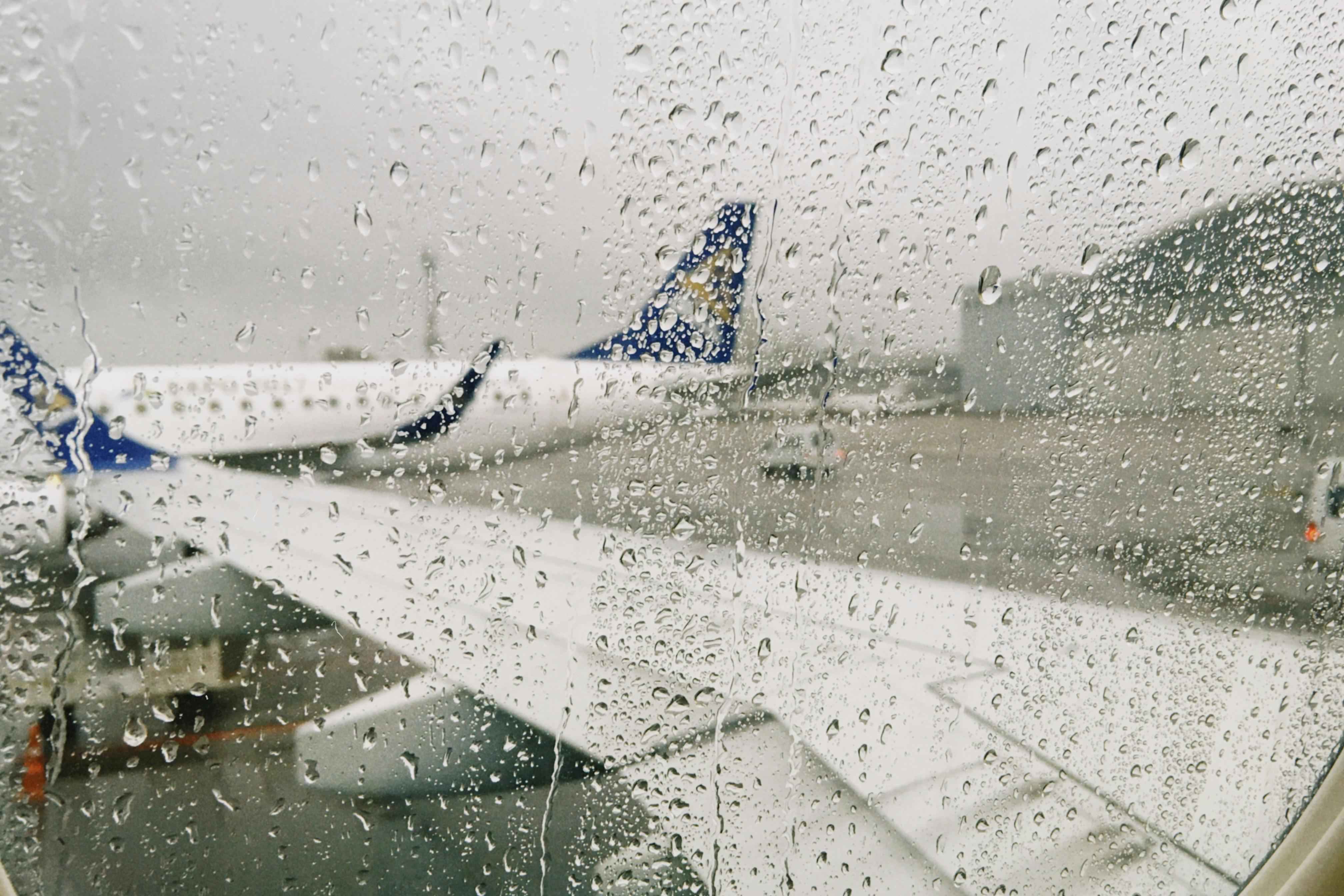
KORE Aviation - If you’re just starting flight training, it’s normal to wonder how pilots see when it’s raining. From the ground, heavy rain can make driving difficult, so it seems reasonable to assume flying would be even harder.
In most cases, rain alone is not what makes flying unsafe. Pilots are trained to manage reduced visibility, wet runways, and changing weather conditions. They also rely on instruments, airport lighting, weather radar, and navigation procedures to operate safely when conditions are less than ideal.
For student pilots, the better question is not just how pilots see in the rain, but what weather conditions actually matter most. Rain can affect a flight, especially during takeoff and landing, but visibility, cloud ceilings, wind, and thunderstorms are usually much more important than the rain itself.
How Do Pilots See When It's Raining?
Pilots do not rely on one thing to see in rainy conditions. They use a combination of outside visual references, aircraft design, cockpit instruments, airport lighting, and sound decision-making.
During takeoff and landing, rain is most noticeable because the airplane is still in the weather layer and closer to the ground. Once the aircraft climbs above the lower clouds, the rain often disappears and visibility may improve significantly.
That is why pilots are trained to use several layers of information at once instead of depending only on what they see through the windshield.
How Aircraft Windshields Help Pilots See in Rain
Aircraft windshields are designed differently from car windshields. They are built for high speed airflow, changing temperatures, and weather exposure.
In many airplanes, airflow over the windshield helps move water away as speed increases. Aircraft also use windshield heating or defogging systems to help prevent moisture buildup and maintain a clearer view.
Rain may still be visible on the windshield, especially during taxi, takeoff roll, and approach, but it usually does not block a pilot’s view as much as people imagine.
Why Pilots Do Not Depend Only on Outside Visibility?
One of the biggest misconceptions about flying in rain is that pilots are looking outside the whole time and trying to “see through” the weather. In reality, pilots are trained to divide attention between outside references and flight instruments.
When weather reduces visibility, instruments become even more important. They show the aircraft’s altitude, heading, speed, position, and approach path. This is especially important during instrument flying, where safe aircraft control depends on accurate interpretation of cockpit information rather than outside visual cues alone.
This is one reason modern flying is much safer than many people assume. Even when conditions are not perfect, pilots are not relying only on eyesight.
How Runway Lights and Approach Systems Help in Rain?
Rain is often most challenging near the airport, especially during approach and landing. That is where airport lighting systems become critical.
Approach lights, runway edge lights, centerline lighting, and other visual aids help pilots identify the runway environment and stay aligned during landing. In reduced visibility, these systems provide the visual references needed to safely continue an approach when conditions remain above legal and operational minimums.
For student pilots, this is a good reminder that safe flying is not just about the airplane. The airport environment also plays a big role.
Also read: How Fast Do Commercial Airplanes Fly? Discover Typical Cruise Speeds
Is It Harder to Fly in the Rain?
Rain alone usually does not make flying significantly more difficult.
Modern aircraft are designed to operate safely in moderate rain. Pilots are trained to handle a wide range of weather conditions.
However, rain is often associated with other weather factors that may affect flight operations, including:
- Turbulence
- Strong winds
- Thunderstorms
- Low cloud ceilings
These conditions are usually more important than the rain itself. Because of this, pilots focus more on overall weather conditions rather than rain alone.
Does Rain Delay Flights?
Rain by itself rarely causes flight delays.
Airlines and pilots focus more on visibility, runway conditions, and storm activity when making operational decisions.
| Weather Condition | Likely Flight Impact |
|---|---|
| Light rain | Flights operate normally |
| Moderate rain | Minor delays possible |
| Heavy rain with storms | Possible delays |
| Thunderstorms | Significant delays or rerouting |
| Severe storms | Flight cancellations |
Source: FAA Aeronautical Information Manual
Can Planes Fly in Heavy Rain?
Yes, airplanes can fly in rain, including heavy rain in many cases, but only when the overall conditions remain within safe limits.
Pilots and dispatchers look at more than just precipitation. They evaluate visibility, runway conditions, cloud ceilings, thunderstorm activity, wind, and available alternates. If those factors remain within limits, a flight may continue. If they do not, the flight may be delayed, diverted, or canceled.
So the better question is not whether planes can fly in rain, but whether the entire weather environment supports safe flight.
Why Rain Looks Worse From the Ground Than in the Air?
From the ground, rain often feels more dramatic because you are directly in it and looking through it at ground level. In an airplane, the experience can be very different.
Rain is usually concentrated in lower weather layers. After takeoff, an aircraft may climb through the rain and into smoother, clearer air above the clouds. That is why passengers sometimes depart in bad weather and then see bright skies a short time later.
This does not mean the rain was unimportant. It simply means the part of the flight affected by rain is often limited to lower altitudes.
Also read: Why Are Window Shades Open During Takeoff and Landing?
How Weather Radar Helps Pilots Avoid Dangerous Conditions?
Rain itself is not usually the biggest hazard. Convective weather is. That includes thunderstorms, strong cells, embedded weather, and turbulence.
Aircraft weather radar helps pilots detect significant precipitation ahead and identify areas that may contain dangerous weather. Pilots use that information to avoid storm cells and adjust their route before getting too close.
This is a key part of modern weather flying. The goal is not to push through the worst conditions. It is to avoid them entirely.
What Weather Matters More Than Rain?
If you are a student pilot, this is the part that matters most. Rain is only one piece of the weather picture.
Visibility is critical because you must be able to maintain the required visual references for the type of flight you are conducting. Cloud ceilings matter because they determine how much vertical space you have to remain clear of clouds and still operate legally and safely. Wind matters because gusts and crosswinds can affect takeoff, landing, and control. Thunderstorms matter because they can create severe turbulence, wind shear, lightning, and rapidly changing conditions.
This is why instructors often say that rain is not the whole story. A light rain shower with good visibility may be acceptable. A day with low ceilings, gusty winds, and nearby storm activity may not be.
Read More: Wearing Glasses with Aviation Headsets: How to Choose and Find a Comfortable Fit?
How Flight Instructors Decide Whether to Cancel a Rainy Lesson?
Flight instructors rarely make weather decisions based on one factor alone. They look at the full training environment.
They consider current weather reports, forecasts, radar, ceilings, visibility, winds, runway conditions, and the student’s experience level. They also think about the purpose of the lesson. A local pattern lesson, a cross country, and a solo flight all require different levels of weather margin.
This is a valuable part of training. Watching how your instructor evaluates weather teaches judgment, not just compliance.
What a Rainy Flight Lesson Feels Like?
A rainy lesson can feel very different from a clear-weather flight, even when conditions are still safe. The runway may look shinier, outside visual contrast may be lower, and taxiing may require more caution. Radio communication can also feel more important because external visual cues are reduced.
For a student pilot, this kind of lesson can be useful when flown with an instructor in appropriate conditions because it builds judgment and reinforces sound decision-making.
When Rain Actually Becomes Dangerous for Aircraft?
Rain becomes more serious when it is tied to hazardous weather systems.
Thunderstorms are a major concern because they can contain severe turbulence, lightning, hail, microbursts, and wind shear. Very low visibility can make certain operations impossible. Wet runways can affect braking and performance. Strong winds can make approach and landing much more difficult.
So when people ask whether rain is dangerous for airplanes, the honest answer is that rain itself is often manageable, but the weather around it may not be.
Why Communication Matters So Much in Bad Weather?
When visibility is reduced, clear communication becomes even more important. Pilots need to hear and understand air traffic control instructions clearly, especially when workload increases during weather deviations, instrument procedures, or busy arrivals.
For student pilots, this is one reason a comfortable aviation headset matters. Good audio clarity can make it easier to understand radio calls, reduce fatigue, and stay focused during lessons, especially in less-than-perfect conditions.
If you are starting flight training, choosing a reliable headset can make day-to-day communication in the cockpit much easier.
Check out KORE Aviation premium and affordable headsets, designed for durability and clarity.

Final Thoughts on How Pilots See in the Rain
So, how do pilots see when it’s raining?
They do it by using more than just their eyes. Pilots rely on aircraft windshield design, airport lighting, instruments, radar, training, and sound weather judgment. Rain alone is not usually what stops a flight. The bigger issues are visibility, ceilings, wind, and thunderstorms.
For student pilots, this is an important lesson early in training. Weather decisions are not about proving that a flight is possible. They are about understanding whether a flight is wise for the conditions, the aircraft, and your current experience level.
As you begin training, clear communication and cockpit comfort also matter. Exploring dependable pilot headset options from KORE Aviation can help support better communication and focus during every lesson.
FAQ: Flying in Rain
-
How do pilots see when it's raining?
Pilots rely on windshield design, runway lighting systems, and cockpit instruments. Airflow over the windshield also helps move rain away during flight.
-
Is it harder to fly in the rain?
Rain alone usually does not make flying much harder. Pilots rely on instruments and weather radar when visibility decreases.
-
How much rain will delay a flight?
Rain by itself rarely causes delays. Thunderstorms, strong winds, or poor visibility are more likely to disrupt flights.
-
Can airplanes land in heavy rain?
Yes, as long as visibility and runway conditions remain within safe limits.
-
Do pilots avoid thunderstorms?
Yes. Thunderstorms contain turbulence, lightning, and wind shear that pilots avoid whenever possible.
-
Do pilots rely only on eyesight when landing?
No. Pilots rely heavily on instruments and navigation systems, especially during poor weather.


