

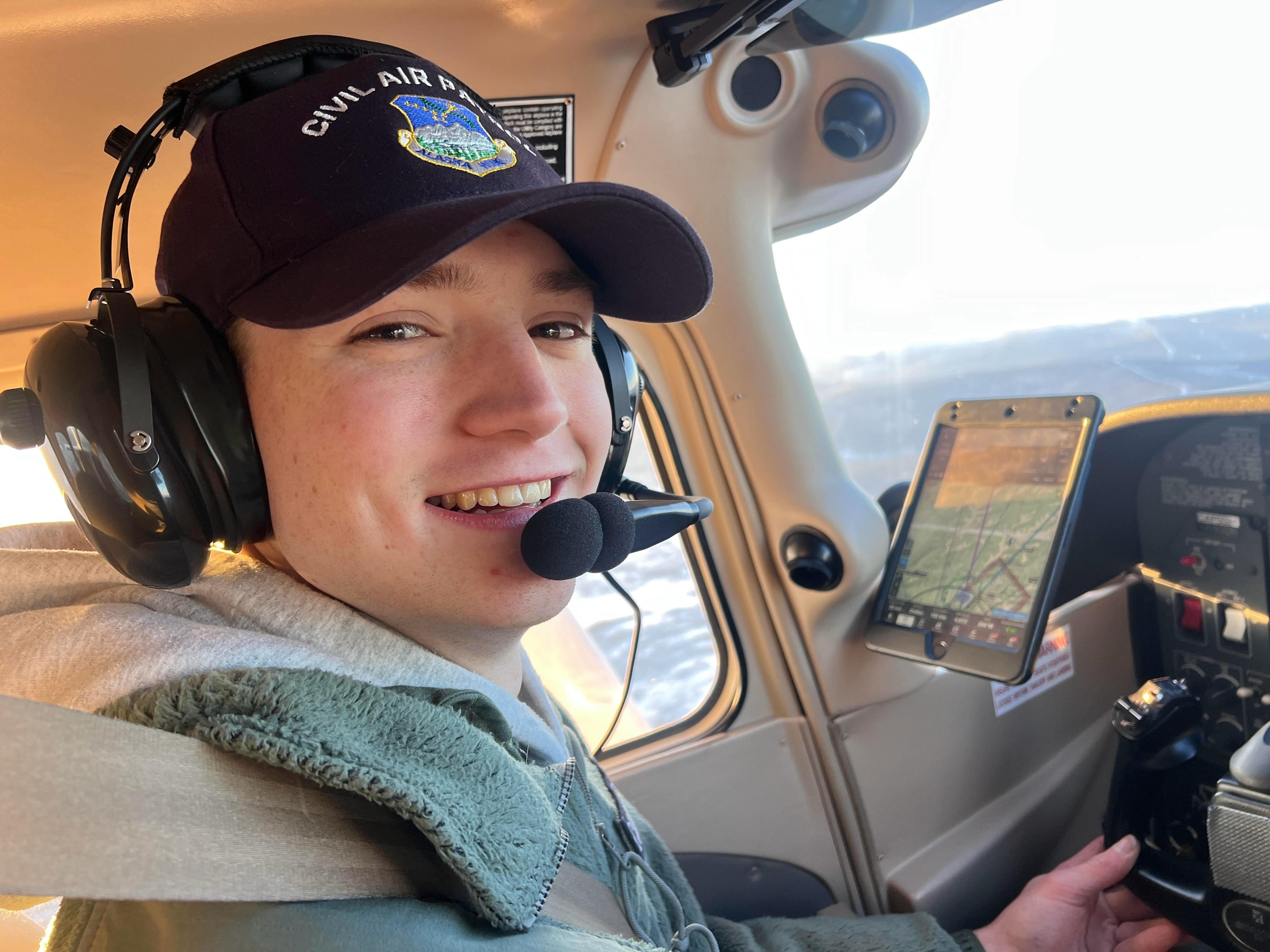
KORE Aviation - Moving from VFR to IFR is one of the most challenging transitions in a pilot's career. When you are flying under Visual Flight Rules, you can look out the window to verify your position and see other traffic. Once you start your instrument rating, that luxury disappears. You are often flying under the hood or in actual IMC, which means your entire world exists within the cockpit instruments and the voices coming through your ears. Finding the best headset for ifr training becomes a safety priority rather than just a comfort choice.
In the IFR environment, missing a single radio call can lead to a pilot deviation or a dangerous situation. You are listening for complex instructions like approach clearances, altitude assignments, and holding patterns. If you mishear a single digit in a heading or a frequency, you could easily wander into busy airspace or toward terrain. This is why audio clarity is the most important feature for any ifr headset. You need to be able to distinguish between similar sounding callsigns and hear the difference between "climb to" and "maintain" without hesitation.

Why Audio Clarity Matters More for IFR Than VFR
During your private pilot training, you likely spent a lot of time looking for landmarks. In instrument training, you spend 40 to 50 hours focused on precision. You will be wearing foggles or a view limiting device for the majority of these hours. This physical restriction heightens your reliance on your other senses, specifically your hearing. An instrument rating headset must provide a clean signal from the avionics to your ears so you can process information quickly.
Think about a standard ILS approach. You are managing the glideslope, the localizer, your airspeed, and your configuration. At the same time, ATC might give you a last minute frequency change or a missed approach instruction. If your headset has a muddy microphone or poor speakers, that extra mental effort spent trying to decipher the audio adds to your cockpit workload. The KORE Aviation KA-1 is designed with high density acoustic foam and clear audio drivers to ensure that every "cleared for the option" or "contact tower" comes through with crisp definition.
Noise Reduction Priorities: PNR vs ANR for IFR
There is a common misconception that you need to spend over $1,000 on a premium ANR headset to fly IFR. While Active Noise Reduction is a great technology, it is not a requirement for success in instrument training. Passive Noise Reduction (PNR) headsets like the KA-1 provide a consistent 24 dB of noise reduction. This is more than enough to protect your hearing in a standard Cessna 172 or Piper Archer used for training.
ANR headsets typically add another 10 to 15 dB of reduction, but they come with a significant catch. They rely on batteries. If your batteries die during a high stress approach in actual IMC, the noise cancellation drops out instantly. This sudden change in volume and tone can be incredibly distracting at the worst possible moment. PNR headsets have no batteries to worry about. They provide the same reliable 24 dB of protection from engine start to shutdown. Many CFIIs actually recommend PNR for students because it helps them learn to manage the natural cockpit environment without relying on electronic filters.
| Feature | KORE Aviation KA-1 (PNR) | Premium ANR Brands |
|---|---|---|
| Price | $224.95 | $700.00 to $1,100.00 |
| Noise Reduction | 24 dB (Passive) | 35 to 40 dB (Combined) |
| Power Source | None (Reliable) | AA Batteries or Ship Power |
| Warranty | 5 Years | 1 to 5 Years |

The Budget Reality of an Instrument Rating
An instrument rating is a significant financial investment. Between the airplane rental, the CFII fees, and the written and practical exams, most students spend between $10,000 and $15,000 to earn the rating. When you are looking for the best headset for ifr training, you have to consider the opportunity cost. Spending $1,100 on a headset means you have $900 less for actual flight time. That $900 could cover nearly five hours of dual instruction in a glass cockpit aircraft.
The KORE Aviation KA-1 costs $224.95. This is a tiny fraction of your total training budget. It provides the professional features you need, such as gel ear seals for comfort during long 2 hour cross country blocks and a dual GA plug setup that fits almost every training aircraft in the US. By choosing a high quality PNR headset, you are prioritizing your flight hours while still getting the audio performance required for IFR precision.
Comfort for Long Instrument Sessions
IFR training involves long periods of intense focus. You will often fly 2 or 3 hour blocks to complete the required cross country time. If your headset is heavy or pinches your head, it becomes a distraction. The KA-1 includes silicone gel ear seals as a standard feature. These seals mold to the side of your head, which is especially important if you wear glasses or foggles. A poor seal around the temples of your glasses will leak noise, ruining the 24 dB protection and making it harder to hear ATC.
The microphone is another critical component. In IFR, your readbacks must be exact. The KA-1 uses a flexible gooseneck boom and a high quality electret microphone. This ensures that the controller hears you clearly the first time, preventing the need for "say again" requests that clutter the frequency. When you are on a busy center frequency with dozens of other pilots, a clear microphone is your best tool for professional communication.

Durability and the 5-Year Warranty
Training is hard on gear. You will be tossing your headset into a flight bag, dragging it across the tarmac, and using it in various weather conditions. The KA-1 is built with a stainless steel headband and gold plated plugs to resist corrosion and wear. KORE Aviation stands behind this durability with a 5-year warranty. This warranty covers you for the entire duration of your instrument training and likely well into your commercial or multi-engine ratings as well.
If you are looking for an even more budget friendly option for a backup or for a safety pilot, the KORE Aviation P1 is available for $124.95. It offers the same 24 dB of noise reduction as the KA-1 but with a 1-year warranty and standard foam ear seals. For the primary student, the KA-1 remains the top choice for its added comfort and long term protection.
Why 30,000 Pilots Trust KORE Aviation
KORE Aviation has built a reputation by focusing on what pilots actually need. With over 30,000 pilots using these headsets and partnerships with more than 50 flight schools, the KA-1 has been proven in the real world. It is not a flashy piece of tech with unnecessary features. It is a tool designed for the cockpit. When you are flying an approach in the rain, you don't need Bluetooth music or complex apps. You need a headset that stays quiet, stays comfortable, and lets you hear the controller perfectly.
The best headset for ifr training is the one that works every time you plug it in. It should be a piece of equipment that you forget you are wearing so you can focus entirely on the six pack or the primary flight display in front of you. The KA-1 delivers that reliability at a price point that makes sense for any aspiring instrument pilot.

Frequently Asked Questions
1. Do I need ANR to hear ATC during IFR flight?
No. While ANR can make the cockpit quieter, a high quality PNR headset like the KA-1 provides 24 dB of noise reduction, which is plenty for clear communication with ATC in most general aviation aircraft.
2. Will the KA-1 work with my foggles or glasses?
Yes. The KA-1 comes with gel ear seals that are designed to conform around the temples of glasses or view limiting devices, maintaining a tight seal and preventing noise leaks.
3. What happens if my headset fails during an IFR flight?
This is why reliability is key. PNR headsets are less likely to fail because they have no electronic noise cancelling circuits or batteries. If a microphone fails, you would follow standard lost comms procedures, but the KA-1 is built for durability to prevent this.
4. Is 24 dB of noise reduction enough for a noisy cockpit?
Yes. 24 dB is the industry standard for passive protection. It significantly reduces engine and wind noise to a level where you can comfortably hear radio transmissions without straining.
5. Can I use the KA-1 for my commercial training later?
Absolutely. The KA-1 is a professional grade tool that will last through your instrument, commercial, and multi-engine ratings. The 5-year warranty ensures it stays in top shape throughout your training journey.
Bottom Line
Choosing the best headset for IFR training is about more than reducing cockpit noise. It is about having reliable communication, lasting comfort, and dependable performance when your attention is focused entirely on your instruments and ATC instructions. A headset with clear audio, effective passive noise reduction, comfortable ear seals, and durable construction can help reduce fatigue and make long instrument training sessions more manageable. While premium ANR models offer additional features, many student pilots find that a high-quality PNR headset provides everything they need without taking a significant bite out of their training budget. If you're looking for a dependable headset built for instrument training and beyond, the KORE Aviation KA-1 delivers 24 dB of passive noise reduction, comfortable gel ear seals, a durable dual GA design, and a 5-year warranty, making it a practical investment from your instrument rating through the rest of your flying journey.


