

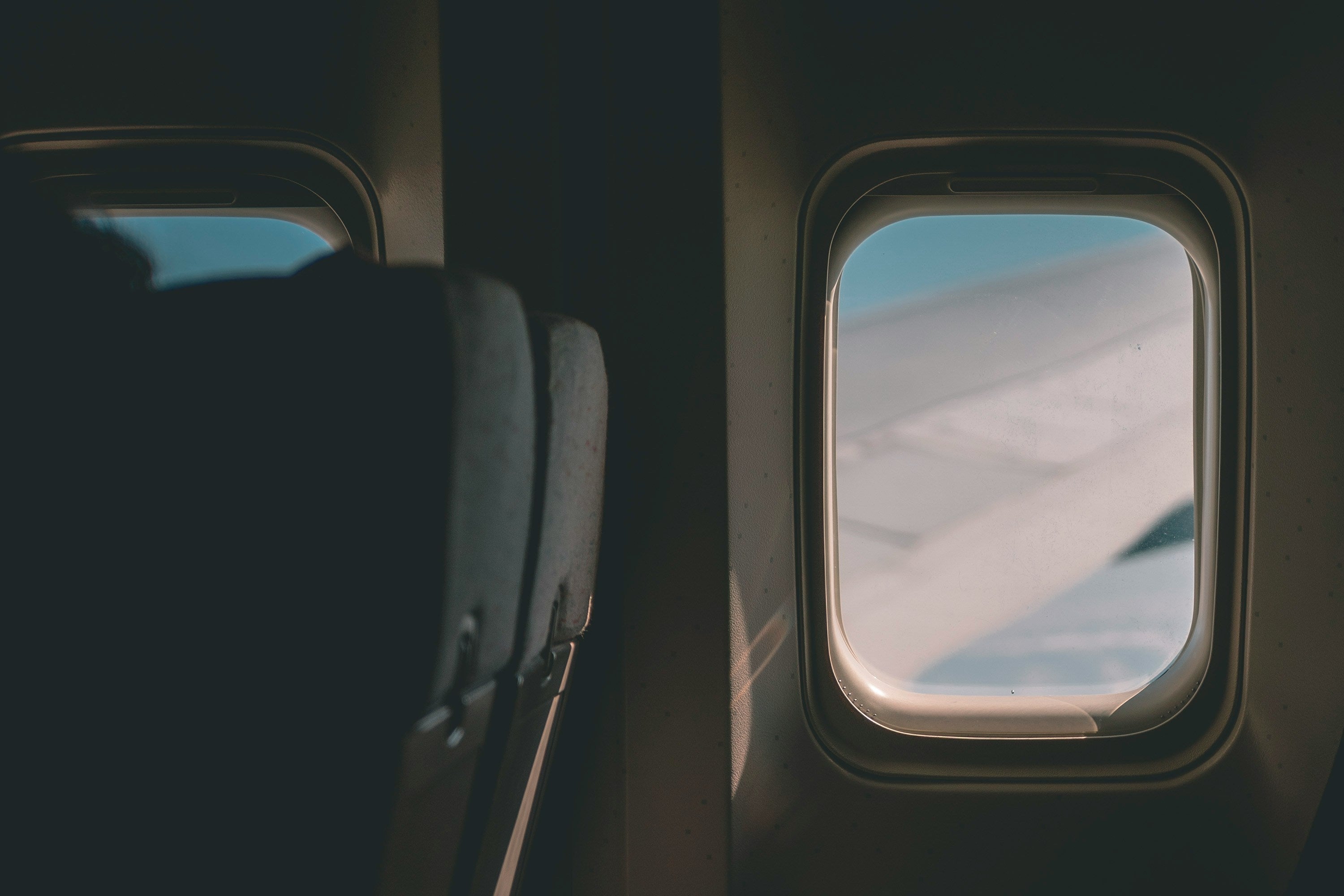
What Looks Like a Simple Request Is Actually a Key Safety Rule
Kore Aviation - Next time you fly, you’ll likely hear the familiar request: “Please raise your window shade for takeoff and landing.” Many people shrug it off as routine, but there is solid reasoning behind it. In this article, we explore why airplane windows are kept open during takeoff and landing. We also highlight how this practice supports cabin safety, visibility, and emergency readiness.
Let’s dig into the facts and understand what really happens when those shades go up.
Why Airlines Ask to Keep Window Shades Open
There are several solid reasons for this rule. Safety experts, cabin crew, and aviation authorities say it helps in these key ways:
1. External Visibility in Emergencies
Open window shades give both passengers and cabin crew a direct view outside. If there is smoke, fire, debris, ice, or a mechanical problem, someone may notice first through a window. That can trigger faster communication to the crew and quicker action.
For instance, if an engine problem causes fire or smoke, a flight attendant can spot it and alert the pilots or prepare for evacuation. On the ground, emergency responders can also better assess the situation from outside if the cabin is lit by natural light. Better Light Adjustment for Emergency Exit
Takeoff and landing are statistically the times when aviation incidents are more likely to occur. Having cabin passengers’ eyes already adjusted to outside light makes a difference. If an evacuation becomes necessary, eyes adapt faster to external conditions rather than waiting for adjustment after exiting a dim cabin.
2. Extra Eyes in the Sky, Crew and Passengers as Safety Observers
While pilots monitor instruments, cabin crew and even passengers serve as additional observers. Open shades allow more people to spot unexpected external hazards, like debris on runway, runway incursion risk, bird strikes, or structural damage.
In some incidents, cabin crew have alerted pilots or passengers to dangers first. Having wide visibility helps maintain cockpit awareness beyond just instrument readings.
3. Faster Evacuation Decision‑Making
In a worst‑case scenario, seconds matter. Open window shades let cabin crew evaluate the outside environment directly before opening emergency exits. They can see if exits are clear, if debris or fire blocks a side, or if smoke prevents safe egress. That rapid assessment helps pick the safest exit routes.
For a deeper dive into this topic, read the full article from Aeropeep here:
➡️ https://aeropeep.com/why-plane-window-shades-get-opened-for-takeoff-and-landing/
If you want more examples, historical context, or real‑world stories about how window shade policies have helped in emergencies, we recommend checking Aeropeep.

How Often Things Go Wrong During Takeoff and Landing?
Most flights are routine, but aviation safety relies on preparedness for the unexpected, and takeoff and landing are considered the most critical phases of each trip. According to multiple sources, a large share of serious incidents occur during those moments.
Because these phases combine high speed, low altitude, configuration changes, and ground proximity, visibility from windows becomes especially valuable. Having window shades open is a low cost, no gear approach to enhancing overall situational awareness and safety.
Below is a quick summary of why takeoff and landing matter in safety statistics:
| Phase of Flight | Why It’s Risky | Why Window Shade Visibility Helps |
|---|---|---|
| Taxi / Takeoff | High workload, close to ground, engines at full power | Crew and passengers can see runway or hazards early |
| Climb / Initial Ascent | Rapid altitude change, weather factors | Outside view can show smoke, debris, or abnormal behavior |
| Approach / Landing | Gear/flaps changes, ground proximity, runway alignment | Visual assessment of runway, terrain, obstacles |
| Ground Roll / Exit | Possible evacuations, ground hazards | Window view helps guide safe exit, avoid fire/obstructions |
Footnote: Risk data summarized from industry safety reports and aviation safety news sources.
Read More: 7 Phases of Flight: Understanding Every Stage in the Sky
What Happens If Shades Are Kept Down? The Risks of Reduced Visibility
While not all airlines strictly mandate the “shades up” rule in regulation, keeping shades closed during critical phases creates potential drawbacks:
- Crew and passengers may not see smoke, fire, fuel leaks, or damage outside.
- In an emergency, egress decisions may be delayed.
- Rescue crews outside cannot easily assess cabin status through darkness.
- Passengers’ eyes may not adjust quickly to outside conditions, which can prolong disorientation when evacuating.
Multiple sources in aviation safety reporting state that closed window shades have contributed to delayed hazard detection or evacuation complications in past incidents.
Given how simple it is to raise a shade, many safety professionals see it as a small but important part of risk mitigation during takeoff and landing.
While window shades support external visibility for everyone on the aircraft, pilots and trainees also need quality internal gear for communication and hearing protection. For student pilots, lighter gear often makes sense during training flights.
Check out Kore Aviation premium and affordable headsets. Designed for durability and clarity for flights.

Are Window Shade Rules Universal? What Airlines and Regulators Say
The open‑shade protocol varies by airline and region. It is generally considered best practice, often recommended in cabin‑crew training, rather than a legally mandated rule under all authorities.
In countries with strict regulatory oversight, airlines often include shade‑open instructions in their operating procedures or safety briefings. Some airlines go further by making it mandatory on exit‑row windows to ensure clarity when assessing exit conditions.
In other cases, especially in night flights or for sleep comfort, rules might be relaxed, but cabin crew typically retain discretion depending on external conditions or flight phase.
In short: while the rule is widespread, it is not universal. It depends on airline, aircraft type, and sometimes even route or region.
What Passengers Should Do? Common Sense When Shades Are Asked Up
If a flight attendant asks you to open your window shade, here are good practices:
- Obey promptly. That small action helps overall safety.
- Use the outside view to stay alert: see runway conditions, ground hazards, or unusual activity outside.
- Resist closing the shade until the crew gives permission, even if you want to sleep or avoid glare.
- For exit‑row passengers: keep shade open and watching outside until landing completes.
These small steps help the crew, passengers, and emergency responders remain aware and ready if needed.
What Passengers Don’t Realize: More Than Just Visibility
Beyond safety, open shades offer subtle benefits that improve comfort and operation:
- Eye Adjustment: Helps passengers’ eyes adapt to outside lighting, reducing glare or sudden bright light when landing or after deplaning. This is especially helpful when cabin lighting is dimmed.
- Situational awareness for cabin crew: Crew monitoring outside can spot runway hazards, fuel leaks, or foreign object debris before it becomes critical
- External visibility for rescuers: In a landing emergency, outside teams may need to assess internal cabin conditions quickly, open shades make that easier.
Though these details are often overlooked, they contribute to the robustness of aviation safety protocols.
A short safety focused checklist for passengers
Here is a simple checklist you can follow during taxi, takeoff, and landing.
- Seatbelt fastened low and tight
- Seat upright
- Tray table stowed
- Items under seat or in bin
- Window shade open if requested
- Know your nearest exit, including behind you
You will notice that open window shade fits into a bigger pattern. It is about preparing for the small chance of a fast change in plans.
Frequently Asked Questions (FAQ)
-
Is opening window shades during takeoff and landing required by law?
Not universally. The rule varies by airline and country. Many carrier safety procedures recommend open shades, though it depends on policy and aircraft type. -
Does open shades matter at night flights too?
Yes. Even at night, open shades help crew assess outside conditions before landing or in emergencies. Some aircraft dim cabin lights so eyes adjust to outside darkness faster. -
What if I am not at a window seat — does this rule still matter?
Yes. Even non-window passengers benefit from cabin awareness. Open shades help cabin crew get full external visibility and support any emergency assessment or evacuation. -
Can closed window shades reduce risk of glare or motion sickness?
Perhaps for comfort, but that comes at a tradeoff with safety visibility. During takeoff or landing, the need for external visibility outweighs comfort concerns. -
Do pilots require the window shades open?
Pilots generally do not manage cabin shades directly, but airline procedures are designed with coordinated cockpit and cabin safety in mind. -
Are there exceptions to the shade rule?
Yes. Some airlines relax the request during long flights, night flights, or when passengers need comfort. It depends on airline policy and cabin crew discretion. -
Does it really make a difference in an emergency?
Yes. It can speed up hazard identification and exit choice, and that can matter in a fast developing situation.
-
Where can I read more about this from an aviation blog?
Aeropeep has clear articles on this topic, including why shades get opened and why flight attendants ask for it.
-
How critical is the shaded open rule compared to other safety measures?
It’s one of many safety practices that add redundant layers of protection. While it may not prevent all accidents, it improves situational awareness and can make a difference during emergencies.
Final Thoughts
Now you know why window shades are open during takeoff and landing: it is not about style or convenience. It is about safety, visibility, and readiness.
Whether you are a frequent flyer, first‑time traveler, or student pilot, respecting that rule supports crew, fellow passengers, and overall aviation safety.
If you are starting your flight training journey, don’t forget: good cockpit gear matters too. For a lightweight yet dependable option, consider exploring on‑ear headset models from Kore Aviation
Fly safe, stay aware, and give those shades a break during takeoff and landing, they are doing more than letting in the view.


