

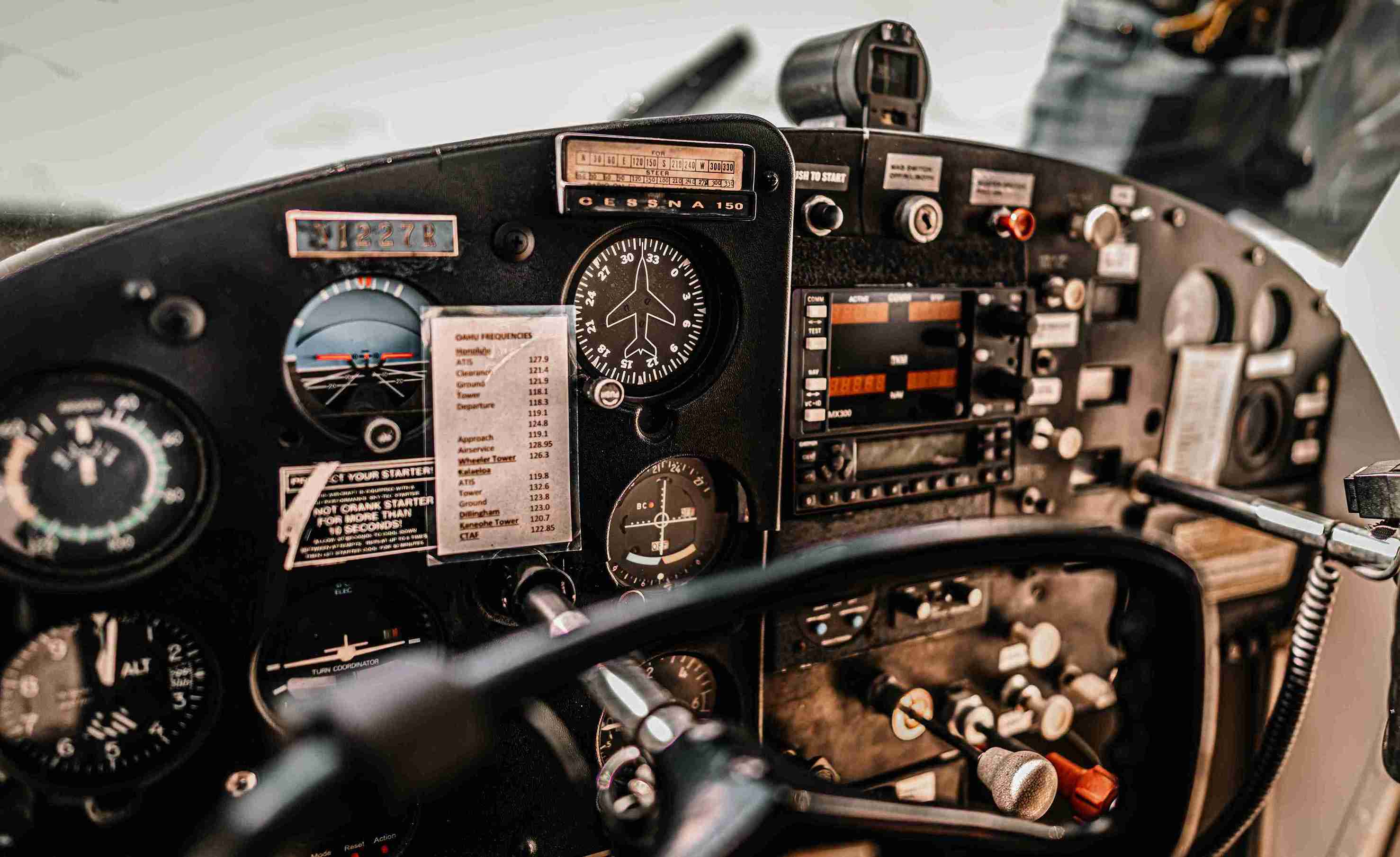
KORE Aviation - If you have ever thought about becoming a pilot, you must have encountered the term “ground school” at some point and wondered what it is. But what is it exactly, and why is it such a crucial component of pilot training?
As part of the theoretical training, ground school encompasses all the essential knowledge needed before operating an airplane. It includes weather patterns and aerodynamics, airspace regulations, and navigation systems. Mastery of this information is critical to effective flight planning, and ensuring competent, and safe flying.
So, what does one do in ground school? Is it as hard as everyone says? Let's analyze this.
Understanding the Role of Ground School in Pilot Training
Ground school is termed as the academic foundation of flight training. It is designed not only to equip aspiring pilots with the information required for the FAA’s written test, but also to build the background knowledge necessary for practical decision making during real world flying operations.
Lessons taken include subjects like:
-
Aircraft systems and aerodynamics: Explore how aircraft generate lift, how engines operate, and how flight controls respond during various flight phases.
- Meteorology: Weather is one of the most important variables in aviation. Instructors teach students about reading weather briefings, identifying dangerous conditions, and planning accordingly.
- Airspace and navigation: Understand the different classes of airspace, radio communications protocols, and how to navigate using maps and instruments to plan and execute routes effectively.
- Federal Aviation Regulations (FARs): Delve into the rules that ensure safety in American airspace. You’ll study certification regulations that govern pilot responsibilities, aircraft operation, and more.
-
Human factors and aeromedical knowledge: Discover how your body and mind–such as altitude, fatigue, and stress–can impact pilot performance which is key to safe flying.
Like most schools, aviation ground schools can be attended physically, online, or even in both formats through a hybrid program. Aviation courses can last from weeks to months, depending on course load, delivery format, and class frequency.
Is Ground School Hard?
Learning the course's theoretical concepts isn't inherently difficult, but it does require effort and dedication. Like any academic discipline, success depends on strong study habits, good information retention capabilities, and adaptability to aviation-related concepts.
The most challenging part for students, however, is keeping up with the pace. Whether in a traditional or accelerated program, students are expected to process advanced materials within a limited time frame and prove understanding through written assessments. Overall, students are required to blend ground school lessons with flight training, work, or personal responsibilities.
As noted earlier, having the right resources and support make achieving these goals, particularly in time management, much easier.
Do You Need Ground School to Become a Pilot?
Yes, absolutely. Every newly issued license requires the specific pilot in command to have completed the appropriate ground school segments, from the Private Pilot License (PPL) to more advanced ratings. Basic training and the FAA’s theoretical examination must be completed before scheduling the practical test, or in other words, the check ride.
While many students try a self-guided approach using books and videos, many prefer taking structured programs that offer assistance from certified instructors, and access to helpful resources and poor support.
Discover More: How to Become a Pilot: Costs, TSA, and Hours of Flight Training
How to Choose the Right Ground School
Choosing a ground school is more than just another checkbox on your to-do-list; it’s the foundation of your career as a pilot. Given the multiple options, it is critical to choose the program that meets your goals, schedule, and gifts of learning.
Factors to Consider When Choosing Ground School
Here are some key elements to help you make an informed decision:
-
Learning Style
Reflect on what works best for you: do you prefer live interaction in a classroom setting or through self-paced learning? -
Schedule Flexibility
Everyone has different flexibilities, be it balancing work, school, or spending tie with family. Online courses are much easier as they are offered with recorded video lectures that students can watch during weekends or evenings. -
Budget
This also matters. In-person ground schools may be more expensive due to facility and staffing costs, unlike online programs that tend to be less budget-friendly alternatives. Just make sure that you check what is being offered to students, like study guides, practice tests, or eligible instructor support. -
Program Design and Support
An efficient ground orientation should provide all the topics set by the FAA in a logical sequence. Look for advanced offerings with tracking abilities and direct access to certified instructor support, especially for active learners. These are all beneficial features for learners struggling with lessons on aviation. -
Reputation and Reviews
As with any institution, check the background and history of the school before enrolling. Check the reviews, the FAA's passing rates, student testimonials, and policy compliance. Any credible program will, without hesitation, share information regarding the outcomes and testimonials from learners.
Pros and Cons: In-Person vs. Online Ground School
|
Format |
Pros |
Cons |
|
In-Person |
Real-time feedback, structured schedule |
Less flexible, often more costly |
|
Online |
Flexible, self-paced, and often more affordable |
Requires discipline and self-motivation |
|
Hybrid |
Combines live and recorded content |
May require fixed-time commitments |
Your choice depends on your lifestyle and learning needs:
1. If you have a flexible schedule, in-person ground school can be a great way to engage with instructors and classmates face-to-face.
2. If your availability is split, hybrid programs offer a balanced approach. They let you attend live sessions while accessing recorded materials at your own pace.
3. If you're a busy learner who juggles a full schedule, an online ground school is likely the most practical option. It lets you study when and where it’s convenient for you, without sacrificing the quality of your learning experience.
Why Many Busy Students Choose Online Ground School
The need for online ground schools is something that cannot be overlooked. They allow people who are extremely busy to pursue their flight training. If you are someone who prefers to learn from home, online ground school would be perfect for you.
There are many reputable online programs out there, each with its strengths. One program worth considering is Part Time Pilot, especially if you’re looking for something beginner friendly and built for busy learners.

What Makes Part Time Pilot Stand Out:
-
FAA-aligned curriculum
Updated materials that prepare you for your FAA exams. -
Step-by-step video lessons
Aviation principles and concepts are broken down with visual aids and simplified explanations. -
Practice exams and built-in quizzes
You are not just learning; you are actively tracking your readiness for the FAA written exam. -
Supportive student community and instructor access
You are not studying in isolation; appreciate peer collaboration, ask questions, and get assistance throughout your learning journey.
Juggling work, school, or family can be tough, but program like Part Time Pilot ensure you balance both aspects of your life without compromising quality. If you prefer to learn on your own time, pursuing aviation training will give you the confidence to take the next step in your career.
Final Thoughts
What is ground school, and what does it mean? It’s much more than a preliminary requirement. It's the essence of your aviation expertise and how you reason, dialogue, and behave in the air. It is the beginning of your identity as a pilot, a safe and skilled one.
With the right mindset, direction, discipline, and resources, passing the FAA exam is absolutely within
Ready to start your journey? Explore flexible online courses like Part Time Pilot and take your first step with the right gear by your side, like a KORE Aviation headset, designed to support you every mile of the way.


