

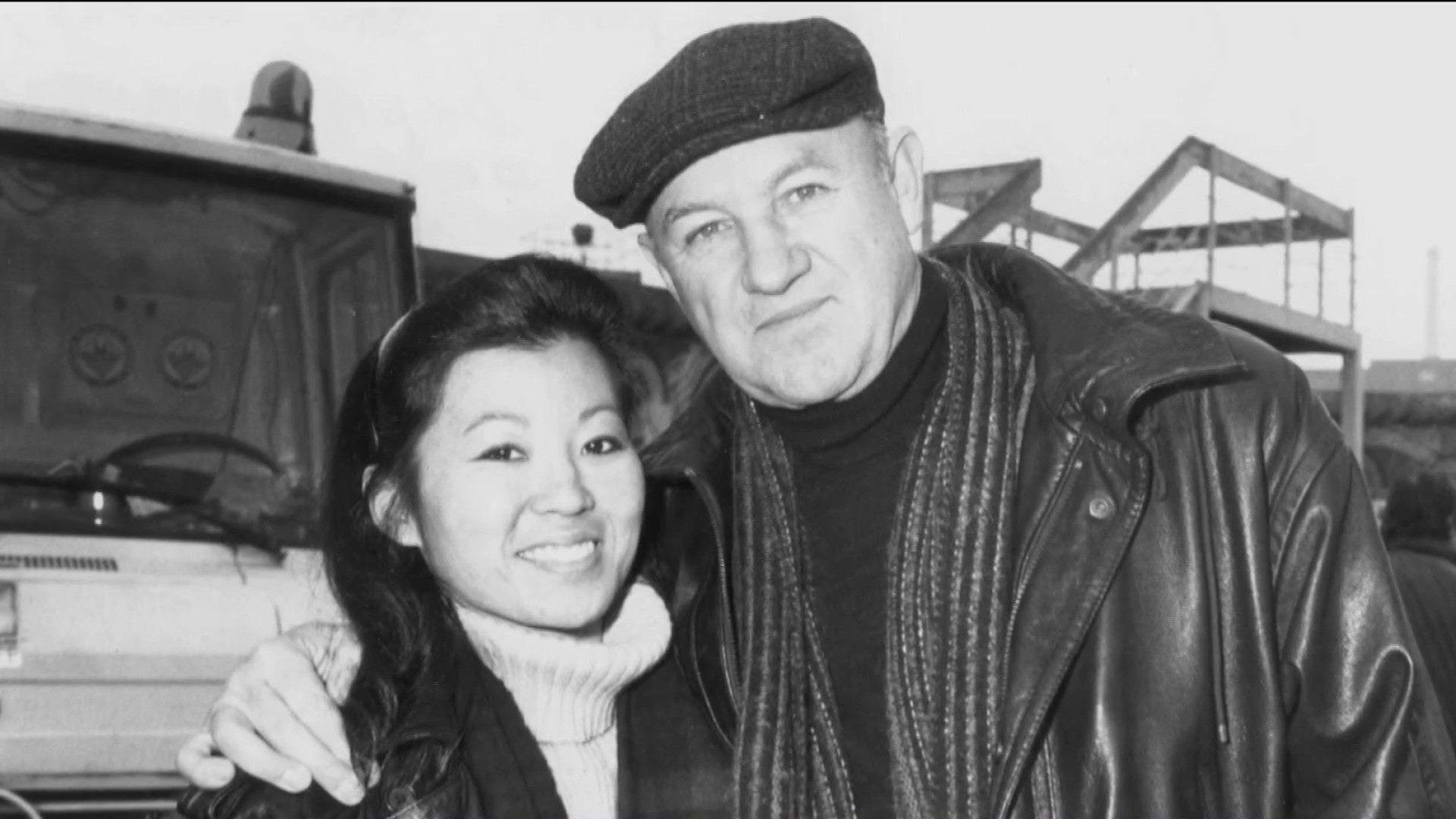
KORE Aviation - Learning to fly is often associated with future airline pilots or people starting aviation early in life. Gene Hackman and Betsy Arakawa’s connection to general aviation reminded many people that flying can become meaningful at different ages and for very different reasons.
Part of what made their story resonate with aviation readers was their shared connection to general aviation, especially Hackman’s interest in flying and Arakawa’s reported emergency-focused training.
What makes their story interesting is not celebrity status. It is the reminder that aviation is not limited to one path, profession, or age group. For many people, flying becomes part of life through curiosity, travel, personal challenge, or simply spending time around aviation with someone they care about.
Who Were Gene Hackman and Betsy Arakawa?
Gene Hackman was an Academy Award-winning actor best known for films such as The French Connection, Superman, and Unforgiven. Outside of acting, public reporting described him as an experienced pilot with a strong interest in aircraft and general aviation.
Betsy Arakawa was a classical pianist and businesswoman from Hawaii. She and Hackman married in 1991 and lived a quieter life together in Santa Fe, New Mexico. Reporting about their aviation connection noted that Arakawa reportedly completed a “pinch hitter” course, which is emergency-focused training for non-pilots who may need to assist in the cockpit.
Their story matters to aviation readers because flying can also be part of a shared life, a personal interest, or a practical way to feel more prepared around aircraft.
Flying Is Not Only for Career Pilots
General aviation includes people from all kinds of backgrounds.
Some pilots fly recreationally. Some learn later in life. Others become interested because of family, travel, or personal goals. Stories like Gene Hackman and Betsy Arakawa’s reflect how aviation can become part of someone’s life without following a traditional professional aviation path.
That idea resonates with many newer student pilots today. A growing number of people enter flight training simply because they always wanted to try it or because aviation became personally meaningful over time. For many student pilots, that realization removes some of the intimidation surrounding flight training.
That broader view of aviation is important because not everyone connected to flying wants to become the person in command. Some people become involved because they often fly with a spouse, partner, family member, or friend. They may not want to earn a pilot certificate, but they still want to feel more confident and prepared in the aircraft.
That is where emergency focused training, such as a pinch hitter course, becomes relevant.
What Is a Pinch Hitter Course?
One detail that stood out in reporting about Betsy Arakawa was her reported participation in a pinch hitter course. A pinch hitter course is not the same as earning a private pilot certificate. Instead, it is designed to help non pilots understand basic aircraft control and emergency procedures in case a pilot becomes unable to continue the flight.
These programs usually teach:
- Basic radio communication
- Maintaining straight and level flight
- Following instructor guidance
- Basic landing awareness
- Emergency coordination
The goal is confidence and preparedness, not full pilot certification. That part of the story resonates with many people because it highlights how aviation safety often involves teamwork and shared awareness, even for passengers.
Why Aviation Becomes Personal for Many People
For some people, aviation starts with a discovery flight. For others, it begins through a relationship, a family member, or simple curiosity. That is part of what makes the story around Gene Hackman and Betsy Arakawa feel relatable to so many people outside aviation. Their connection to flying did not revolve around airline careers or social media content. It felt personal and practical.
Aviation often becomes meaningful because of the experiences attached to it. Flying somewhere new, learning a difficult skill, overcoming nervousness, or sharing the cockpit environment with someone else can create a strong emotional connection to aviation over time. For many pilots, those memories become more important than ratings or certificates themselves.
What New Pilots Learn Quickly
Two things many new pilots and future pilots discover early are how much preparation flying requires and how different the cockpit feels compared to what people expect from the ground.
That is one of the useful lessons from Gene Hackman and Betsy Arakawa’s aviation story. Flying is not just about interest or inspiration. It also requires awareness, preparation, and respect for the cockpit environment. Even someone who is not pursuing a full pilot certificate can benefit from understanding what happens inside an aircraft and why preparation matters.
For student pilots, that lesson becomes real very quickly. Training aircraft are loud. Radio communication moves fast. Small cockpit details start to matter right away. Many new pilots realize that clear communication and comfort are not minor details. They affect how well you listen, learn, and stay focused during a lesson.
That is why many pilots eventually invest in their own aviation headset during training. A reliable headset helps reduce fatigue, improves communication clarity, and makes longer lessons more comfortable.
As training becomes more regular, many student pilots start looking for their own headset instead of relying on shared or borrowed gear. This is where practical PNR options, including KORE Aviation headsets, can make sense for newer pilots who want comfort and clear communication without overcomplicating their setup.
Explore KORE Aviation Headset options for student pilots, with an available 15% discount for pilots ready to choose their training setup.

The Human Side of Aviation
Aviation conversations often focus on aircraft, technology, or certifications. Stories like Gene Hackman and Betsy Arakawa’s remind people there is also a very human side to flying.
Some people are looking for challenge. Others are looking for confidence, adventure, freedom, or connection.
That variety is part of what makes general aviation unique. It creates space for people from different professions, backgrounds, and stages of life to share the same passion for flying.
Many student pilots eventually realize aviation becomes less about reaching a final destination and more about the experience of learning itself.
What New Pilots Can Take Away From Their Story
The biggest takeaway from Gene Hackman and Betsy Arakawa’s aviation story is simple. Flying does not have to follow one specific path. You do not need to start young. You do not need to become an airline pilot. You do not need to fit a specific image to belong in aviation.
For many people, learning to fly starts with curiosity and grows from there. Sometimes it starts with one lesson, one conversation, or one person introducing aviation into your life.
As training continues, new pilots also start learning from small mistakes, like rushing checklists, missing radio calls, or not preparing enough before a lesson.
A guide like: 10 Common Student Pilot Mistakes and How to Avoid Them is a helpful next read for students who want to build better habits early.
Frequently Asked Questions
1. Did Gene Hackman have flight training?
Public reporting described Gene Hackman as an experienced pilot with a strong interest in aviation. His connection to general aviation became part of the broader public discussion around the story.
2. What is a pinch hitter course in aviation?
A pinch hitter course teaches non pilots basic emergency flight procedures. The goal is to help someone assist during an emergency situation, not to replace full pilot training.
3. Can older adults learn to fly?
Yes. Many people begin flight training later in life for recreation, travel, or personal achievement. Aviation is not limited to younger students or career pilots.
4. Why do student pilots buy their own aviation headset?
Most student pilots eventually want better comfort and clearer communication during lessons. A personal aviation headset also provides a more consistent training experience compared to shared rental gear.
5. What kind of aviation headset do student pilots usually use?
Many student pilots begin with passive noise reduction headsets because they are more affordable and work well in many training aircraft. When comparing options, newer pilots often look for comfort, clear microphone performance, warranty coverage, and overall value.
The Bottom Line
Gene Hackman and Betsy Arakawa’s aviation story is a reminder that flying can become meaningful at any stage of life. For many student pilots, the first step starts with curiosity, a discovery flight, and the willingness to learn something new.
Over time, aviation often becomes less about the destination and more about the experience, confidence, and memories built along the way. As training becomes part of that journey, reliable equipment that keeps communication clear and lessons comfortable becomes part of the experience too.


