

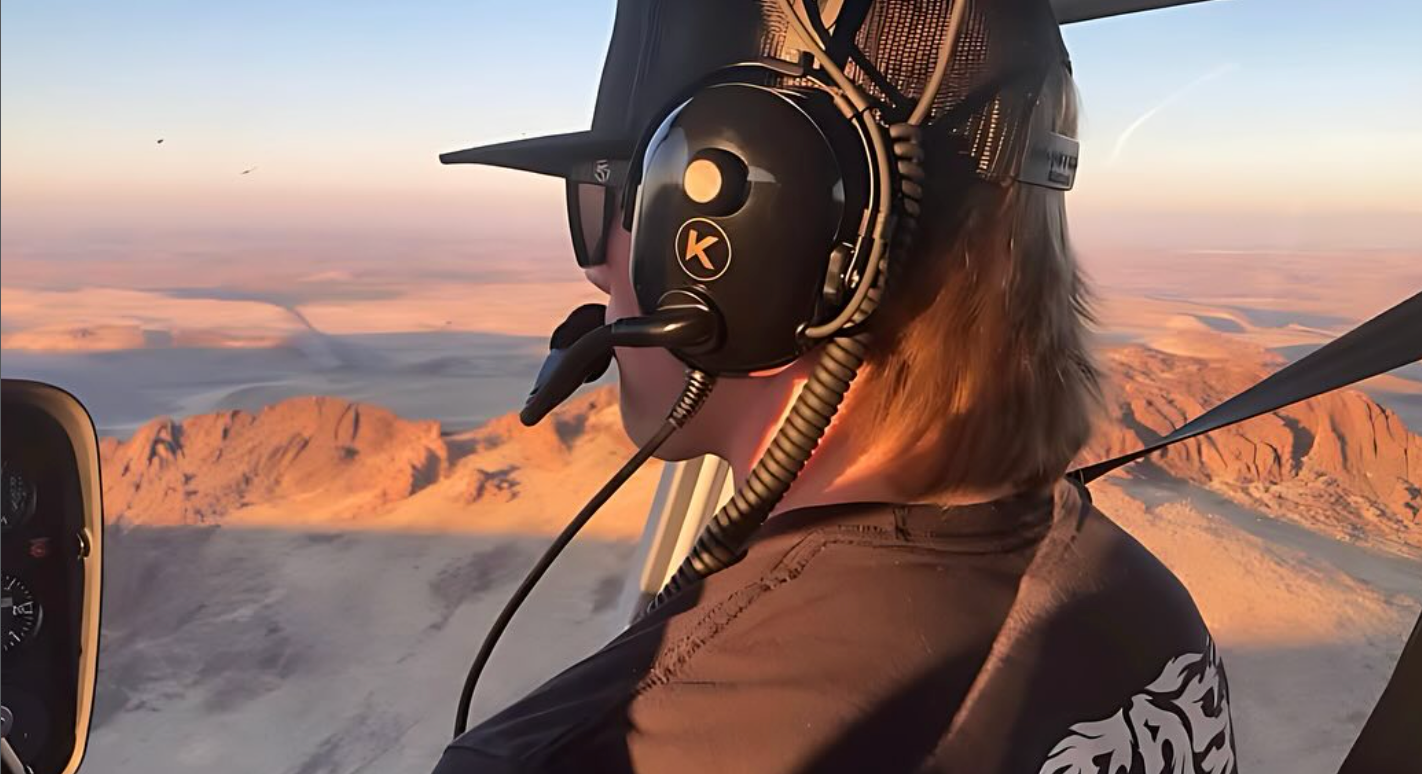
KORE Aviation - You just finished your discovery flight and the aviation bug has officially bitten. You are looking at the flight school's enrollment forms and the list of gear you need to buy. Near the top of that list is a pilot headset. Then you see the price tags. Some headsets cost as much as a used car, while others are more reasonable. You notice the flight school offers rentals for a small fee per flight. Now you face a common dilemma: should you rent vs buy aviation headset gear for your training?
It is a fair question. Learning to fly is expensive. Between aircraft rental rates, instructor fees, and fuel surcharges, every dollar counts. However, the headset is your primary interface with the airplane and Air Traffic Control. It is the one piece of equipment you will use every single second you are in the cockpit. Making the wrong choice here can lead to frustration, physical discomfort, and even extra costs in the long run.

The Real Cost of Flight School Headset Rentals
Most flight schools maintain a cabinet full of "loaner" headsets. These are usually basic passive noise reduction models that have seen better days. The rental fee typically ranges from $5 to $15 per flight. On the surface, $10 seems like a bargain compared to spending hundreds of dollars upfront. But aviation is a game of numbers, and the math on rentals rarely works in favor of the student.
To earn a Private Pilot License (PPL), the FAA requires a minimum of 40 flight hours. In reality, the national average is closer to 60 to 75 hours. Depending on how your instructor structures lessons, those hours are spread across 50 to 70 individual flights. If you are paying $10 every time you grab a rental from the front desk, you will spend $500 to $700 on rental fees alone by the time you take your checkride. At the end of that journey, you have nothing to show for that money except a stack of receipts.
The Break-Even Math: Rent vs Buy Aviation Headset
When you look at the rent vs buy aviation headset debate through a financial lens, the "break-even" point happens much sooner than most students realize. Let's look at the numbers for two popular entry-level options: the KORE Aviation P1 and the KORE Aviation KA-1.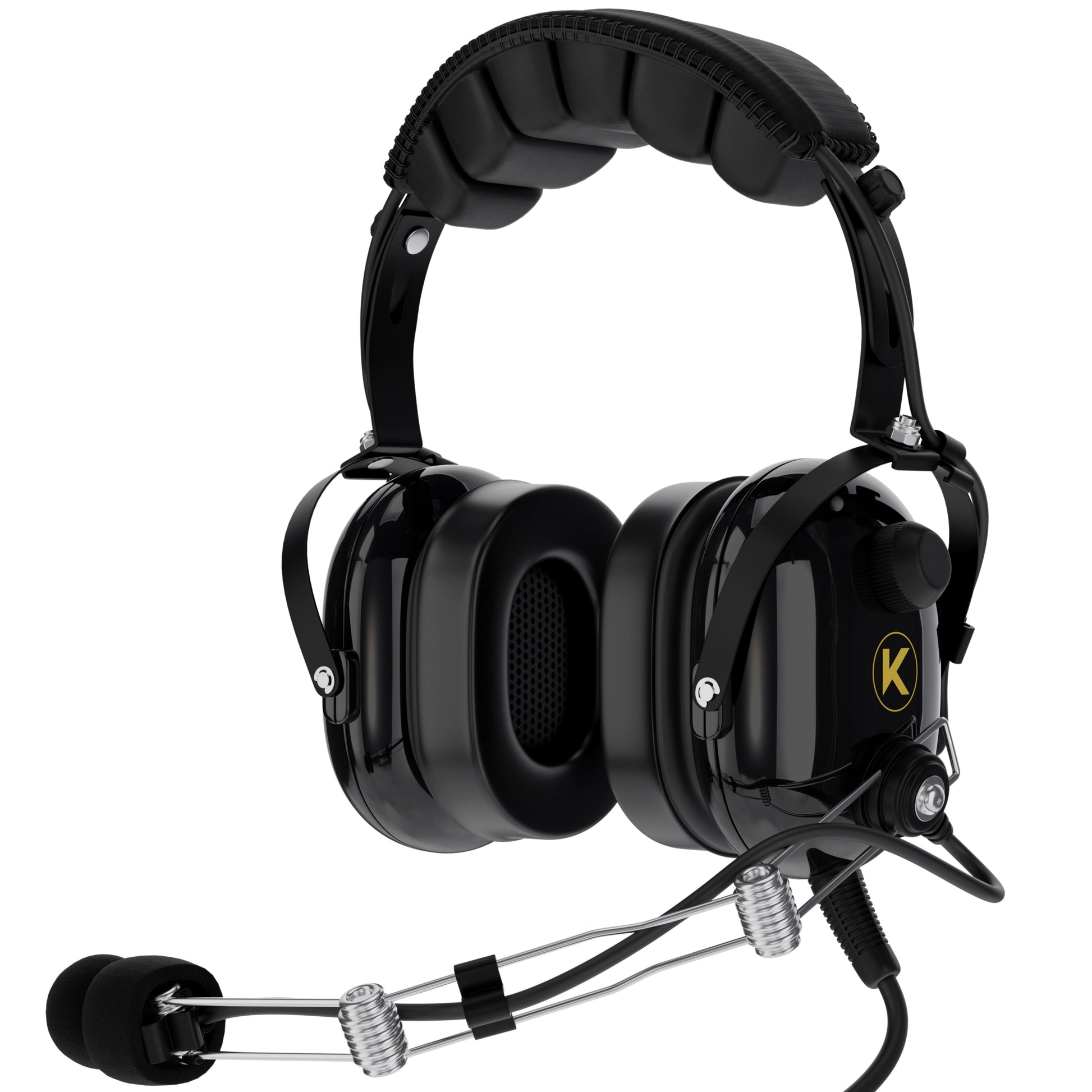
The KORE Aviation P1 is a reliable PNR headset priced at $124.95. If your flight school charges $10 per rental, you own the P1 outright after just 13 flights. Even at a very low rental rate of $5 per flight, the headset pays for itself in 25 flights. Since most students take at least 50 flights to get their license, the P1 saves you money before you even reach your solo cross-country phase.
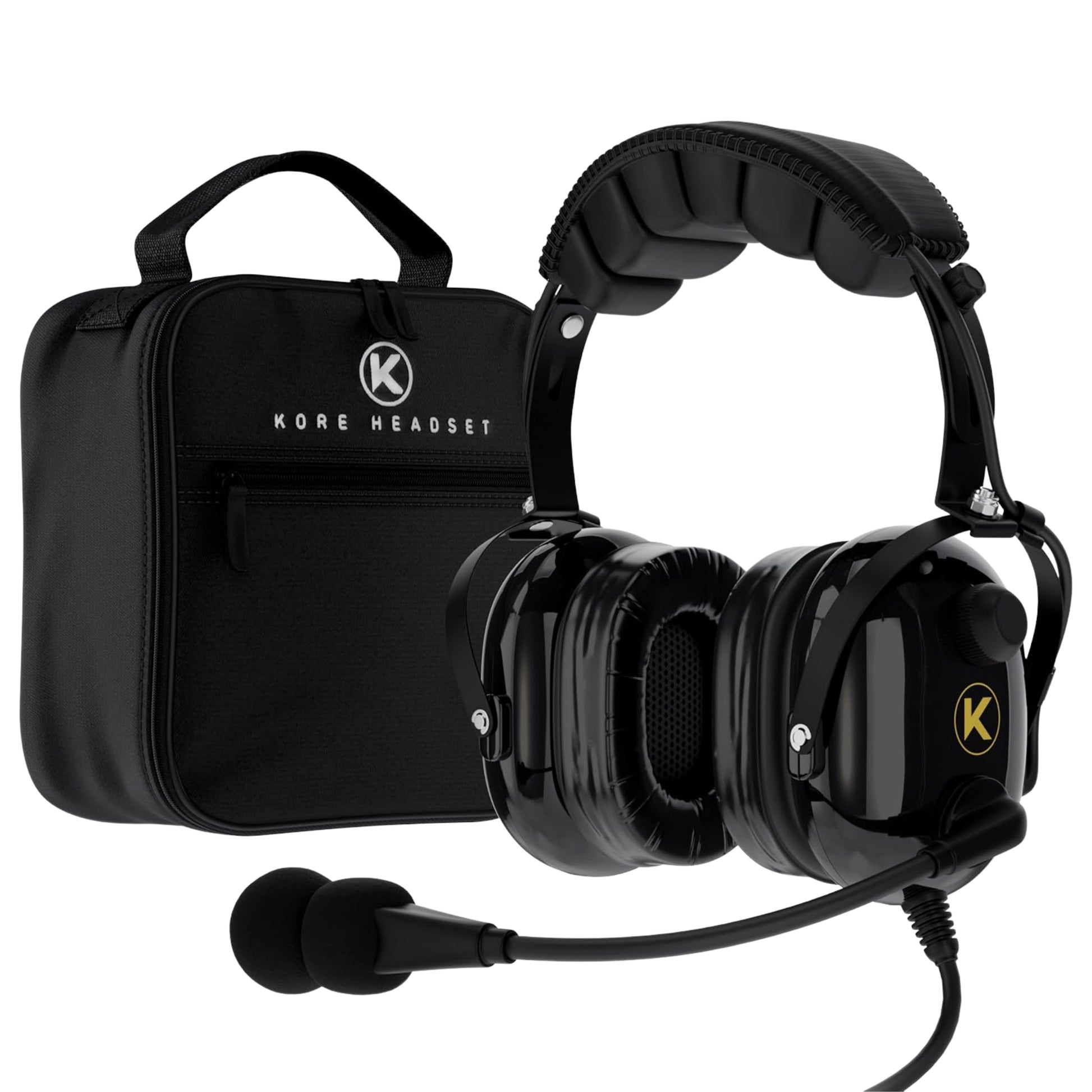
The KORE Aviation KA-1 is a premium PNR option at $224.95. It features upgraded gel ear seals and a 5-year warranty. At a $10 rental rate, the KA-1 pays for itself in about 23 flights. If your school is on the higher end at $15 per rental, you break even in just 15 flights. This is usually within the first two months of consistent training.
| Rental Rate (Per Flight) | P1 Break-Even ($124.95) | KA-1 Break-Even ($224.95) |
|---|---|---|
| $5.00 | 25 Flights | 45 Flights |
| $10.00 | 13 Flights | 23 Flights |
| $15.00 | 9 Flights | 15 Flights |
As the table shows, buying almost always wins financially if you plan to complete your PPL. You are essentially "pre-paying" for your rentals and getting a brand-new piece of equipment that you get to keep forever.
The Hygiene Factor: Who Wore It Before You?
Beyond the dollars and cents, there is a significant "ick" factor with rental headsets. Think about what happens during a flight lesson. You are working hard, the cockpit can get hot, and you are likely sweating. The foam ear seals on rental headsets act like sponges. They absorb sweat, skin oils, and bacteria from every student who used them before you.
While flight schools try to keep their gear clean, they rarely have the time to truly sanitize a headset between lessons. You are putting something against your face and ears that has been worn by dozens of other people. Owning your own headset means you know exactly where it has been. You are the only one sweating into those ear seals. For many pilots, the peace of mind that comes with personal hygiene is worth the investment alone.
Consistency and Performance in the Cockpit
When you are a student pilot, your brain is already at maximum capacity. You are trying to maintain altitude, talk to ATC, and look for traffic all at once. The last thing you need is a technical distraction. Rental headsets are notorious for being "beaten up." You might get a pair with a loose mic boom that won't stay in place, or a volume knob that crackles every time you touch it.
Worn-out ear seals are a major issue with rentals. If the foam is compressed or cracked, it cannot create a proper seal around your ear. This significantly reduces the noise reduction capabilities. The KA-1 provides 24 dB of passive noise reduction, but that only works if the gel seals are in good condition and fit your head properly. When you own your gear, you can adjust the tension and the mic placement exactly how you like it. You don't have to spend the first five minutes of every lesson fighting with your equipment.
Consistency is key to learning. If you use the same headset every flight, you become accustomed to how the engine sounds and how the radio transmissions should feel. This familiarity helps you spot anomalies faster, which makes you a safer pilot.

Should I Buy My Own Pilot Headset for the Resale Value?
One of the best-kept secrets in aviation is that quality gear holds its value remarkably well. If you decide that flying isn't for you, or if you eventually want to upgrade to a high-end ANR model, you can sell your PNR headset. Well-maintained PNR headsets from reputable brands often retain 50% to 70% of their original purchase price on the used market.
If you buy a KA-1 for $224.95 and sell it a year later for $130, your "cost of ownership" for that year was only $95. That is less than the cost of ten rentals at most schools. When you rent, your "resale value" is zero. Buying your own gear is not just a purchase, it is an asset that you can liquidate later if needed.
When Renting Might Make Sense
There are very few scenarios where renting is the better choice. If you are only taking one or two introductory lessons to see if you like flying, renting is perfectly fine. There is no need to buy gear before you know if you want to commit to the hobby. Additionally, if you are traveling and forgot your gear, a rental can save the day. However, for anyone enrolled in a flight training program, the "should I buy my own pilot headset" question has a very clear answer.
Some flight schools have even stopped offering rentals entirely. They require students to provide their own headsets for insurance and maintenance reasons. If your school still offers them, consider it a temporary convenience rather than a long-term strategy.

The Verdict: Owning Wins Every Time
The math is clear, the hygiene benefits are obvious, and the performance gains are significant. If you plan to fly more than 25 hours, buying your own headset is the smarter move. You will save money, stay more comfortable, and have one less thing to worry about while you are learning to land a plane.
For most students, a high-quality PNR headset like the KA-1 is the "sweet spot." It offers excellent 24 dB noise reduction, comfortable gel seals, and a 5-year warranty that will cover you through your entire training and well into your time as a licensed pilot. Over 30,000 pilots trust KORE Aviation because we provide that professional performance without the massive price tag of the "big name" brands.
Frequently Asked Questions
1. Is a cheap rental headset safe for my hearing.
Most rental headsets provide some level of protection, but worn-out ear seals can let in dangerous levels of cockpit noise. A personal headset with fresh seals ensures you are getting the full rated noise reduction, such as the 24 dB offered by KORE models.
2. Can I use a music headset for flight training?
No. Aviation headsets use specific dual GA plugs and have microphones designed to filter out engine noise. Standard consumer headphones will not work with the airplane's intercom system.
3.Do I need an ANR headset as a student?
While ANR is nice, it is not necessary. A high-quality PNR headset like the KA-1 is more than sufficient for training and is much more budget-friendly for students who are already paying for flight hours.
4. How long do PNR headsets last?
If you take care of them, a good PNR headset can last a decade or more. The KA-1 comes with a 5-year warranty, making it a very safe long-term investment.
5. What happens if my headset breaks during training?
A: This is why warranties matter. If you own a KORE headset, you have support. If you are using a rental and it breaks, the school might charge you for the damage or you might be stuck using an even worse backup unit.
Bottom Line
For most student pilots, the rent vs buy aviation headset decision comes down to long-term value. While renting may seem like the cheaper option at first, the costs add up quickly over the course of flight training, often exceeding the price of owning a quality headset. A personal headset also gives you a consistent fit, better hygiene, reliable communication, and hearing protection every time you fly, helping you stay focused on learning instead of dealing with worn-out rental equipment.
If you're committed to earning your private pilot certificate, investing in your own headset early is one of the smartest purchases you can make. With 24 dB of passive noise reduction, comfortable gel ear seals, and a 5-year warranty, the KORE Aviation KA-1 is built to support you from your first lesson through every milestone of your training.


