

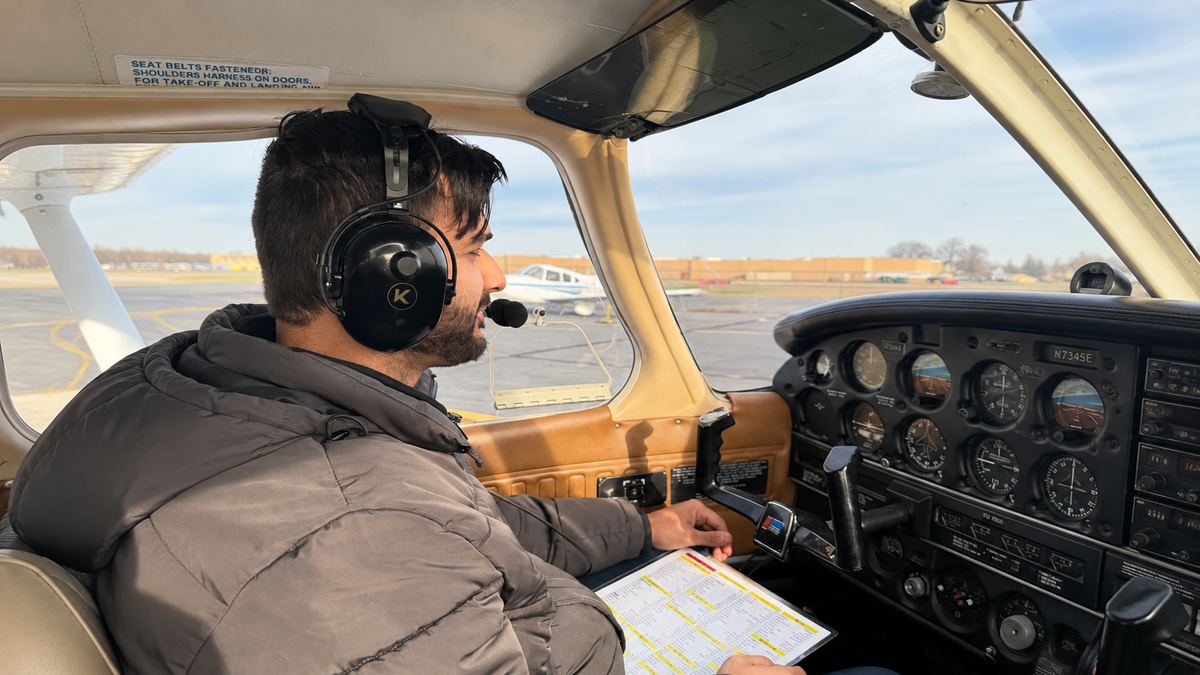
Understanding Aviation Headset Lifespan and Why Soft Goods Fail First
KORE Aviation - When you invest in cockpit comms equipment, understanding aviation headset lifespan helps you budget for maintenance and protect your hearing from engine noise. If you ask seasoned pilots how long do aviation headsets last, you will get a wide range of answers. A well-built aviation headset easily lasts 5 to 10 years or more. The structural frame, earcups, and internal wiring harnesses outlast their original components by a wide margin. However, the wear parts do not last nearly that long. Most pilots throw away headsets long before the headset core has actually failed. They discard them because the ear seals harden, the head pad flattens out, or the mic cover disintegrates. Knowing when to replace aviation headset components saves you money and ensures you maintain proper acoustic sealing against cockpit noise. Cessna 172 cockpits generate 85 to 95 dB at cruise and over 100 dB during run-up. If your gear loses its seal, noise leaks in, and your hearing suffers. Maximizing your aviation headset lifespan is therefore critical for long-term health. 
Real Intervals for Replacing Wear Items
Maintaining your aviation headset lifespan means swapping out soft goods and high-stress items on a regular schedule. Here are the real-world replacement intervals every pilot should follow: Ear seals require attention every 6 to 18 months depending on flight frequency, hangar heat, and skin oils. Protein leather and foam covers break down over time. Upgrading to the KORE Silicone Gel Ear Seal provides superior comfort and longevity compared to standard foam. Head pads need replacement every 2 to 4 years. The foam inside compresses permanently under the clamping force of the headband, which typically exerts 6 to 7 N of pressure to maintain an acoustic seal. Once the foam loses its spring, hot spots develop on the crown of your head during long cross-country flights. Microphone windscreens should be replaced annually. Foam mic socks accumulate moisture, breath condensation, and dust. A degraded windscreen fails to block wind noise from the cabin vents, leading to muffled radio transmissions. Cables represent the true mechanical failure point of any aviation headset. They flex at the strain relief near the earcup and plugs on every single flight. After 3 to 5 years of coiling and uncoiling in flight bags, internal copper strands can fatigue and cause intermittent audio dropout.
The Five-Minute Pilot Wear Inspection Checklist
You do not need an avionics bench to check your gear. Running a quick preflight inspection on your aviation headset takes less than five minutes. Use this checklist every few months: Press the ear seals firmly with your fingers and observe their rebound speed. If they stay compressed or feel stiff, they have lost their damping ability. Inspect the seams for cracking, peeling, or leaking silicone gel. Check whether the seal still makes full contact around your eyeglasses. If you wear frames in the cockpit, stiff ear seals create gaps that let engine and wind noise bleed directly into your ears. Flex the down cable gently near both plugs and the earcup strain reliefs while listening to static or audio. If you hear crackling or temporary channel dropouts, internal wire fatigue has set in. Check the headband adjustment slides for slip. If the earcup height shifts on its own during flight, the friction locks have worn out. Test the microphone boom to ensure it holds its position without sagging in front of your mouth. A loose boom constantly drifts away, forcing you to repeat calls to ATC. 
Replace or Repair? The Economic Reality of Aviation Headsets
When something breaks on your comm gear, you face the replace versus repair decision. The economics of headset maintenance can be surprising. Replacing $16.99 silicone gel ear seals on a working headset is almost always the right call. It immediately restores comfort and noise reduction without breaking the bank. On the other hand, major internal repairs require careful cost analysis. Factory flat-rate repairs on premium headsets run in the $175 to $225 range out of warranty, not including shipping and parts markup. When you factor in shop labor rates of $125 per hour plus diagnostic fees, repairing an out-of-warranty budget headset or an entry-level unit often costs more than purchasing a brand-new, high-value unit like the KORE P1 General Aviation Headset for $124.95. Warranty length is a major factor in overall aviation headset lifespan. Premium units often back their construction with extended coverage. For instance, the KORE KA-1 General Aviation Headset carries a robust 5-year warranty, protecting your investment for half a decade. In comparison, budget models like the KORE P1 carry a 1-year warranty. Knowing your warranty terms helps you decide whether to file a claim or upgrade to a fresh unit.
Habits That Shorten Your Aviation Headset Lifespan
Many pilots unintentionally shorten their aviation headset lifespan through poor handling habits. Avoiding three common mistakes will keep your gear operational for years: First, never leave your headset on the glareshield in direct sunlight. Cockpit temperatures under a canopy can easily reach 120 degrees Fahrenheit, melting adhesives, drying out plastic headbands, and degrading silicone or leather ear seals. Second, do not hang your headset by its cable. Wrapping the heavy dual plugs or dangling the entire earcup assembly from a hook by the down wire puts immense strain on the internal solder joints at the strain relief. Third, avoid storing your headset loose in a flight bag where it gets crushed by heavy kneeboards, flashlights, and fuel testers. Using a dedicated KORE Pilot Headset Bag cushions the earcups and protects the boom mic from being bent or snapped.
Component Lifespan and Replacement Costs
| Headset Component | Expected Lifespan | Typical Replacement Cost |
|---|---|---|
| Silicone Gel Ear Seals | 6 to 18 months | $16.99 (KORE Pair) |
| Microphone Windscreens | 1 year / 500 hours | $5 to $10 |
| Headband Cushion / Pad | 2 to 4 years | $15 to $35 |
| Down Cable Assembly | 3 to 5+ years | $75 to $160 (or factory flat rate) |
| Complete PNR Headset | 5 to 10+ years | $124.95 to $224.95 |
Frequently Asked Questions
1. How often should I replace my aviation headset ear seals?
You should replace your ear seals every 6 to 18 months depending on how frequently you fly, cockpit heat exposure, and whether you notice cracking, flaking, or a reduced acoustic seal around your glasses.
2. Can I repair an aviation headset cable myself?
While cable replacement is possible with soldering equipment and replacement parts, most modern aviation headset cables feature molded strain reliefs and multi-conductor shielding that make DIY splicing difficult and unreliable for flight safety.
3. Do passive noise reduction headsets last longer than active noise reduction headsets?
Passive noise reduction headsets generally outlive active noise reduction models simply because they lack complex circuit boards, microphones, digital signal processors, and battery compartments that can fail over time.
4. What is the average lifespan of a student pilot headset?
A student pilot headset typically lasts anywhere from 5 to 10 years with proper maintenance, though soft goods like ear seals and mic covers will need multiple replacements during that window.
5. Is it worth repairing an out-of-warranty aviation headset?
If the repair involves soft goods or minor cushion replacements, it is well worth the cost. However, if the repair requires electronic board replacement or factory flat-rate service exceeding $175, purchasing a new headset is usually more economical.
Bottom Line
A quality aviation headset can last 5 to 10 years or longer, but its wear parts usually will not. Ear seals, head pads, microphone windscreens, and cables take the most abuse and should be inspected regularly rather than waiting for the entire headset to fail.
Replacing worn soft goods is usually an inexpensive way to extend your aviation headset lifespan, maintain a comfortable fit, and preserve the acoustic seal that helps reduce cockpit noise. Store your headset in a padded bag, keep it away from excessive heat, and never carry or hang it by the cable.
When repair costs start approaching the price of a replacement headset, compare the remaining warranty and overall condition before spending more. Regular inspection and basic maintenance can keep a dependable headset flying for years.


