

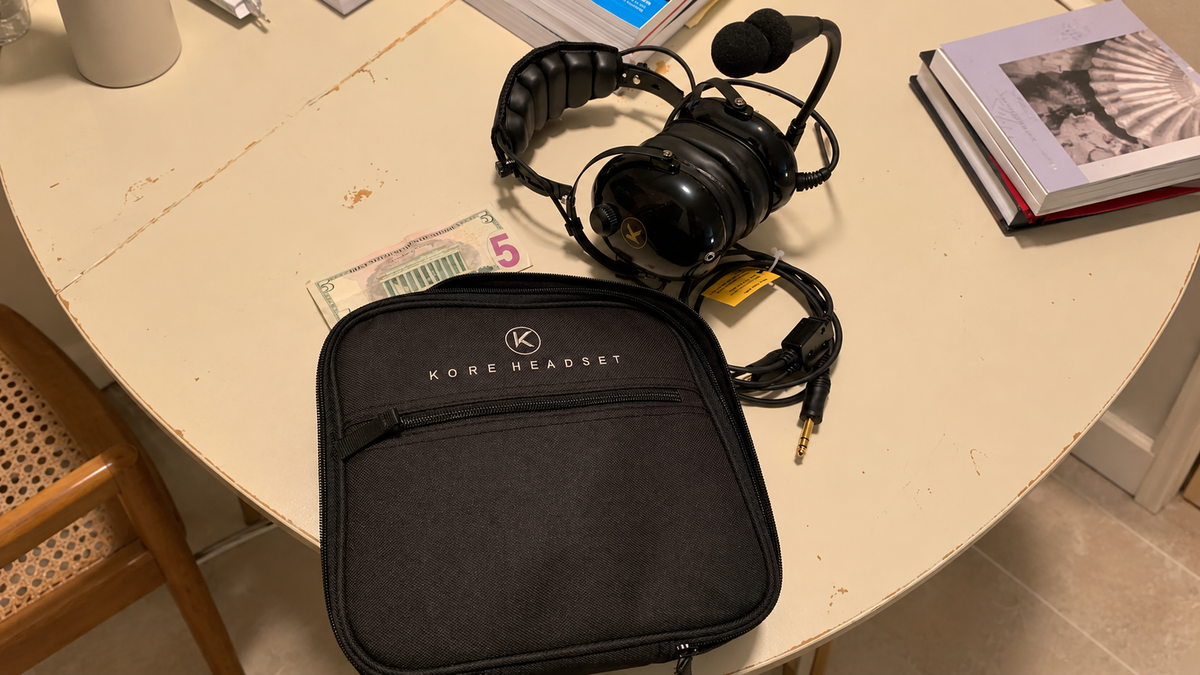
KORE Aviation - When you first start flight training, you quickly realize that the cockpit is a brutal environment for electronics. Between the 100 degree heat on the ramp in July, the constant vibration of a Lycoming engine, and the inevitable sweat that builds up during a difficult cross-country flight, your gear takes a beating. This is exactly why understanding your aviation headset warranty is just as important as checking the fuel sumps during preflight. You do not want to be 50 miles from home with a dead microphone and a warranty that expired six months ago.
I have seen plenty of student pilots buy a used headset online to save fifty bucks, only to find out the internal wiring is frayed. Because they bought it second-hand without a valid aviation headset warranty, they ended up paying a 175 dollar flat-rate repair fee just to make it functional. That is a hard lesson to learn. If you are looking at headsets, you need to look past the initial price tag and see what the manufacturer actually promises to do when things go wrong.

Why Aviation Headsets Need Strong Warranty Protection
Aviation headsets are not like the headphones you use at home. They are life-safety equipment. They are subjected to extreme temperature swings, from freezing overnight hangars to sweltering cockpits. They get dropped on the tarmac, stuffed into flight bags, and the cables get stepped on or caught in seat tracks. Over time, these stresses lead to component failure.
Most pilots do not realize that the constant vibration of a light aircraft can actually loosen internal solder joints over hundreds of hours. Sweat is another silent killer. The salt and moisture can seep into the ear cups and corrode the drivers or the microphone circuitry. A solid aviation headset warranty acts as your insurance policy against these environmental hazards. Without it, you are looking at significant out-of-pocket costs for repairs that are often half the price of a new unit.
Typical Warranty Lengths Across the Industry
The length of an aviation headset warranty usually scales with the price of the unit. However, there are some notable exceptions where value-tier brands offer premium-level protection. Here is how the market generally breaks down:
- Budget Headsets (Under 150 dollars): These typically come with a 1-year warranty. They are designed for occasional use or as a spare for passengers.
- Mid-Range Headsets (200 to 500 dollars): This is where you find the best balance. Most offer 3 to 5 years of coverage. The KORE Aviation KA-1, for example, provides a 5-year warranty at a 224.95 dollar price point.
- Premium ANR Headsets (800 to 1,200+ dollars): These high-end units usually offer 5 to 7 years of coverage. You pay a massive premium upfront for this, often four times the cost of a solid PNR unit.
At KORE Aviation, we offer two distinct paths. The KORE Aviation P1 is our entry-level PNR headset priced at 124.95 dollars, and it carries a 1-year warranty. It is perfect for the casual flyer or the back-seat passenger. For the serious student pilot or the person flying 100 hours a year, the KA-1 is the workhorse. At 224.95 dollars, it includes a 5-year warranty, which is almost unheard of at that price level. This means your headset is covered through your private pilot, instrument, and commercial ratings.
What Is Actually Covered by Your Warranty?
It is a common misconception that a warranty covers everything that happens to the headset. That is not the case. A aviation headset warranty is specifically designed to protect you against manufacturing defects and component failures that happen during "normal use."
Commonly Covered Items:
- Speaker and Driver Failure: If one side stops working or starts crackling due to an internal component failing, that is covered.
- Microphone Issues: If the electret microphone stops transmitting or the boom arm loses its tension, the manufacturer should fix it.
- Wiring and Solder Joints: Internal wiring that fails due to vibration or poor assembly is a classic warranty claim.
- Headband Mechanisms: If the adjustment sliders or the folding hinges snap under normal tension, this is usually covered.
What Is NOT Covered:
- Physical Abuse: If you drop your headset on the taxiway and a truck runs over it, no warranty will cover that.
- Cable Damage: If you shut the cockpit door on your cable and sever the wires, that is considered accidental damage, not a defect.
- Water Damage: Leaving your headset in a plane with a leaky window during a rainstorm will void your coverage.
- Consumables: This is the big one. Ear seals, head pads, and microphone muffs are like tires on a car. They are expected to wear out.
The Reality of Consumables: Ear Seals and Mic Muffs
No matter how much you spend, your ear seals will eventually crack or lose their shape. This is not a defect. It is the result of skin oils and sweat breaking down the material. Most pilots should plan to replace their ear seals once or twice a year depending on how much they fly. If you fly in a hot climate like Florida or Arizona, you might even need them every six months.
Replacement costs vary. Standard foam ear seals usually cost between 14 and 20 dollars. High-quality gel ear seals, like the ones that come standard on the KORE KA-1, typically cost between 35 and 50 dollars for a replacement set. While the KA-1 includes these premium gel seals in the box, remember that they are a maintenance item. Keeping a fresh set of seals ensures you maintain that 24 dB noise reduction rating and keeps the headset comfortable for long flights.

Total Cost of Ownership: A 5-Year Comparison
When evaluating an aviation headset warranty, you have to look at the total cost of ownership over five years. Some premium brands charge a flat rate of 175 to 225 dollars for any out-of-warranty repair. If you buy a cheap headset with a 1-year warranty and it breaks in year three, you might end up spending more than if you had bought a better headset with a longer warranty from the start.
| Feature | KORE Aviation P1 | KORE Aviation KA-1 | Generic Budget Brand |
|---|---|---|---|
| Initial Price | 124.95 dollars | 224.95 dollars | 110.00 dollars |
| Warranty Length | 1 Year | 5 Years | 1 Year |
| Noise Reduction | 24 dB PNR | 24 dB PNR | 20-22 dB PNR |
| Ear Seal Type | Foam | Gel (Included) | Foam |
| 5-Year Repair Cost | Potential Replacement | 0 dollars (Covered) | Full Replacement Cost |
As you can see, the KA-1 offers the best long-term value. Even if a component fails in year four, KORE has you covered. More than 30,000 pilots and 50 flight school partners trust this reliability every day. When you are a student pilot, you need gear that works every time you push the push-to-talk button.

Tips to Protect Your Warranty and Your Investment
To ensure your aviation headset warranty claims are never denied, you should follow a few simple rules. First, register your headset immediately after purchase. Most manufacturers require a proof of purchase, so keep a digital copy of your receipt in your email or a cloud drive. If you lose the receipt, you might lose the warranty.
Second, store your headset properly. Do not leave it hanging over the yoke in the sun. The UV rays and heat can degrade the plastics and the ear seals. Use a dedicated headset bag to protect it from dust and accidental drops. Third, never attempt to "fix" the internal wiring yourself. Opening the ear cups or using a soldering iron on the plugs will almost always void your warranty instantly. If it is not working, send it back to the professionals.
Finally, check the return policy. Most reputable brands offer a 30-day return window. At KORE Aviation, we offer a satisfaction guarantee because we know that fit and comfort are subjective. If the headset does not feel right on your head during those first few flights, you should have the option to send it back.
Frequently Asked Questions
1. Is the warranty transferable if I sell my headset?
A: This depends on the brand. Some premium brands allow warranty transfers, which helps the resale value. KORE Aviation warranties generally apply to the original purchaser. Always check the specific terms before buying used.
2. Does the warranty cover the gel ear seals if they leak?
A: Generally, no. Ear seals are considered consumable items. However, if a gel seal leaks within the first few weeks of ownership, most manufacturers will treat it as a defect and replace it for you.
3. What happens if my headset breaks after the warranty expires?
A: You will have to pay for the repair. Premium brands often have a flat-rate repair fee between 175 and 225 dollars. Some budget brands do not offer repair services at all, meaning you have to buy a brand new headset.
4. Does the KORE KA-1 warranty cover the dual GA plugs?
A: Yes, if the plugs fail due to a manufacturing defect or internal wiring failure, it is covered under the 5-year warranty. It does not cover plugs that are bent or snapped off due to being stepped on.
5. How long does a typical warranty repair take?
A: Most aviation companies aim for a 7 to 14 business day turnaround. You should always factor in shipping time both ways. It is a good idea to have a backup headset, like the KORE P1, in your flight bag just in case.


