

KORE Aviation - If you have ever felt your eardrums throb or ache during descent, you are intimately familiar with barotrauma. Many travelers search for noise cancelling headphones airplane pressure solutions right before a big trip, hoping high-tech gadgets will stop their ears from plugging up. When commercial airliners climb to 35,000 feet, the cabin is artificially pressurized to mimic an altitude of 6,000 to 8,000 feet. That rapid change in barometric pressure forces your Eustachian tubes to work overtime.
What Actually Causes Ear Pressure and Airplane Ear Pain?
Your middle ear is an air-filled cavity connected to the back of your throat by a tiny channel called the Eustachian tube. Normally, this tube opens whenever you swallow, yawn, or chew, allowing air to flow freely and equalize pressure on both sides of your eardrum.
During takeoff and landing, cabin pressure changes faster than your Eustachian tubes can naturally adapt. If the tube stays blocked, a vacuum forms against the eardrum during ascent, or positive pressure builds during descent. This condition is known as airplane ear or barotrauma. It causes sharp airplane ear pain, muffled hearing, and lingering dizziness.

Do Noise Cancelling Headphones Airplane Pressure Solutions Actually Work?
The short answer is no. Active noise-cancelling circuitry targets sound waves, not barometric pressure. These headphones use tiny microphones to pick up ambient drone, engine rumble, and cabin chatter, then generate inverted sound waves to cancel out that acoustic noise.
However, sound waves and air pressure are two entirely different physical phenomena. Acoustic noise is vibrational energy traveling through the air. Barometric pressure is the actual weight of the atmosphere pressing against your body. Because consumer audio gear cannot alter physical atmospheric pressure inside the cabin, relying on noise cancelling headphones airplane pressure neutralization is physically impossible.

Proven Methods to Fix Ear Pressure Flying
Since consumer electronics cannot fix barotrauma, you need physical techniques to open your Eustachian tubes. Experienced travelers rely on several proven strategies to manage ear pressure flying discomfort:
- Swallowing and yawning: These natural movements activate the muscles that open your Eustachian tubes. Chewing gum throughout takeoff and landing helps stimulate constant swallowing.
- The Valsalva maneuver: Pinch your nostrils closed, close your mouth, and gently blow air through your nose. Do this very lightly to pop your ears. Never blow hard, as you can damage your eardrums.
- Specialized earplugs: Filtered earplugs regulate airflow into the ear canal, slowing down the rate of pressure change against the eardrum during rapid climbs and descents.
- Over-the-counter decongestants: Taking a nasal spray or oral decongestant one hour before departure helps reduce swelling in the nasal passages, keeping your Eustachian tubes clear.

Why Noise Cancelling Headphones Airplane Pressure Relief Is Only Indirect
Even though consumer gear does not fix barometric physics, noise cancelling headphones airplane pressure management still has an indirect benefit. Air travel exposes you to continuous low-frequency cabin noise ranging from 75 to 85 decibels for hours on end.
This relentless engine roar causes sensory fatigue, muscle tension, and elevated stress levels. When your body is fatigued and stressed, your immune system and sinus tissues are more prone to inflammation, which worsens Eustachian tube dysfunction. By cutting down that exhausting background roar, active noise reduction keeps you relaxed, lowering overall physical tension and making it easier for your body to handle minor pressure shifts.
Stepping Up From Passenger to Pilot: Why Aviation Headsets Matter
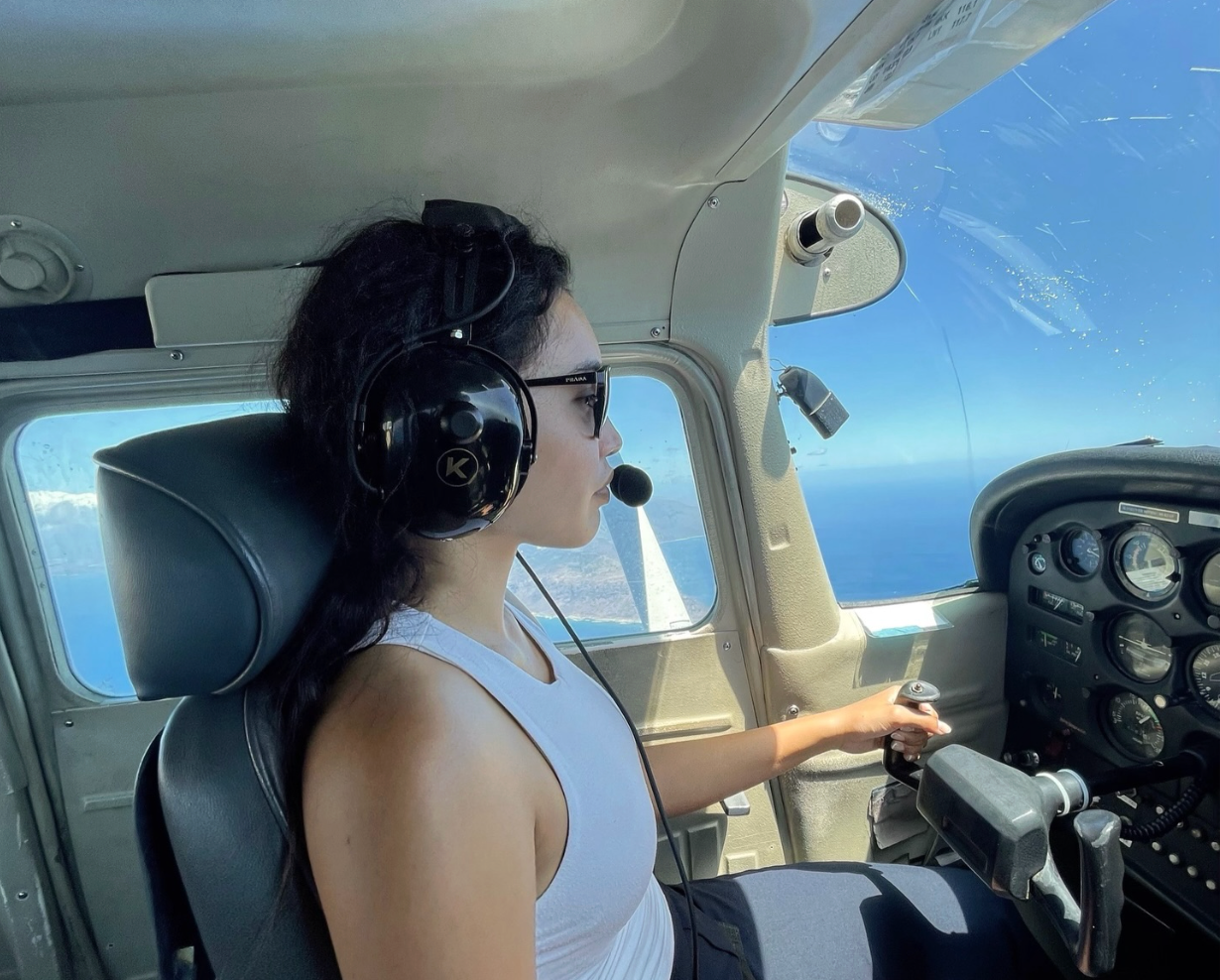
If you are researching aviation topics because you are thinking about stepping into the cockpit for flight training, the audio environment changes drastically. Commercial airliners are well-insulated and relatively quiet compared to light training aircraft like a Cessna 172 or Piper Cherokee.
Inside a small general aviation cockpit, ambient engine and propeller noise levels routinely hit 80 to 100 decibels or higher. Consumer audio gear is completely unsafe and inadequate for flight decks. Pilots require purpose-built aviation headsets engineered to protect hearing and deliver crystal-clear radio communication.
When transitioning from passenger to student pilot, you need reliable gear. Over 30,000 pilots and more than 50 flight school partners trust KORE Aviation for durable, high-performance equipment. For student pilots looking for maximum value without breaking the bank, passive noise reduction is a proven, reliable choice.
| Model | Type | Price | Noise Reduction | Warranty |
|---|---|---|---|---|
| KORE Aviation KA-1 | PNR Headset | $224.95 | 24 dB | 5-Year Warranty |
| KORE Aviation P1 | PNR Headset | $124.95 | 24 dB | 1-Year Warranty |
The KORE Aviation KA-1 is an exceptional choice for new student pilots. At $224.95, it features 24 dB of passive noise reduction, incredibly comfortable gel ear seals included out of the box, dual GA plugs, and a robust 5-year warranty. If you are operating on a tighter initial budget, the KORE Aviation P1 offers the same 24 dB passive reduction for $124.95 with a 1-year warranty.
Ready to Take the Controls?
Equip yourself with a headset trusted by over 30,000 pilots. Enjoy crystal-clear audio, all-day comfort, and unmatched durability on every training flight.
Shop the KORE KA-1 Headset ($224.95)Frequently Asked Questions
1. Do noise cancelling headphones stop airplane ear pain?
No. Noise-cancelling headphones reduce acoustic sound waves like engine drone, but they do not alter barometric pressure. Ear pain during a flight is caused by pressure differences across your eardrum, which require physical equalization techniques like swallowing or yawning.
2. What are the best headphones for airplane pressure relief?
No headphones can equalize barometric pressure. Instead of headphones, use specialized filtered earplugs, chew gum, swallow frequently, or perform the gentle Valsalva maneuver during ascent and descent.
3. Why do my ears hurt so badly when flying?
Ear pain happens when cabin pressure changes faster than your Eustachian tubes can equalize. This creates a vacuum or positive pressure against your eardrum, leading to barotrauma, muffled hearing, and sharp pain.
4. Are aviation headsets different from consumer headphones?
Yes. Consumer headphones are designed for music and mild ambient noise reduction. Aviation headsets are rugged, purpose-built safety devices designed to block out 80 to 100+ decibels of continuous engine noise while providing clear radio communication with air traffic control.
5. How much should a student pilot spend on a headset?
Reliable passive aviation headsets range from $125 to $230. For example, the KORE Aviation KA-1 costs $224.95 and includes gel ear seals and a 5-year warranty, offering professional-grade protection without an inflated price tag.
Bottom Line
Noise cancelling headphones can make flying more comfortable by reducing engine noise and cabin distractions, but they cannot prevent or relieve airplane ear caused by changing cabin pressure. The best way to manage ear discomfort is to use proven pressure equalization techniques such as swallowing, yawning, chewing gum, or using filtered earplugs during takeoff and landing. If your interest in aviation goes beyond being a passenger and you're preparing for flight training, remember that consumer headphones are not designed for the cockpit.
A purpose-built aviation headset offers the hearing protection, communication clarity, and durability pilots need. For student pilots looking for dependable performance and excellent value, the KORE Aviation KA-1 delivers 24 dB of passive noise reduction, comfortable gel ear seals, dual GA plugs, and a 5-year warranty to support every stage of your flight training.


