

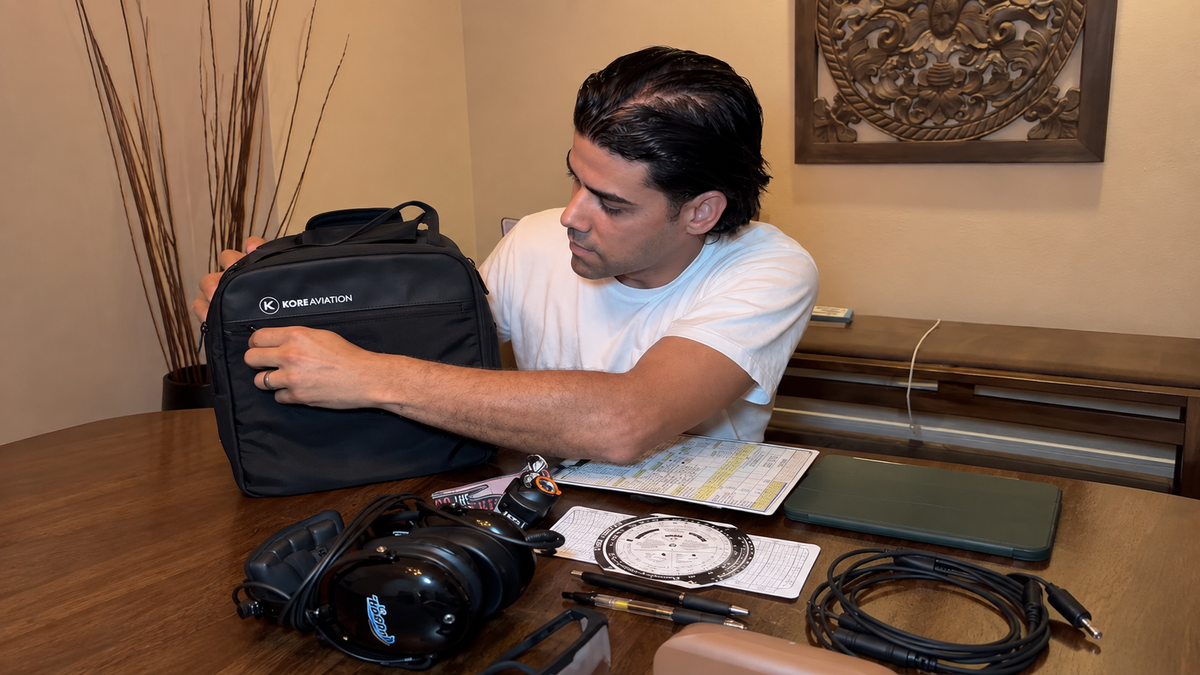
KORE Aviation - When you start researching where to buy an aviation headset, you quickly realize the market is flooded with competing retailers, online storefronts, and classified ads. If you are a student pilot logging your first hours in a Cessna 172 or a licensed aviator upgrading your cockpit gear, choosing the right sales channel matters just as much as picking the right model. This article is a purchase channel guide, not a product roundup. We are examining how and where you acquire your equipment, breaking down five distinct purchasing channels based on the factors that genuinely impact your wallet and your safety in flight.
Cockpit noise in a standard trainer sits between 85 and 95 dB at cruise, climbing past 100 dB during run-up. Protecting your hearing requires reliable equipment backed by enforceable guarantees. When evaluating aviation headsets for sale, you need to look beyond the initial sticker price. You must examine warranty validity, return windows, counterfeit risks, and what happens when a mic boom snaps or a cord frays six months down the road. Determining where to buy an aviation headset involves understanding the distinct trade-offs of every retail avenue available to modern aviators.

Channel One: Buying Direct From the Manufacturer
Purchasing directly from the equipment maker is the gold standard for certainty. When you buy straight from the source, you eliminate middleman risks entirely. You receive a factory-sealed unit with a pristine serial number tied directly to the manufacturer database. This channel offers the strongest possible protections when something goes wrong.
The primary advantage of buying direct is warranty validity. If a company offers a robust multi-year guarantee, buying direct ensures that claim is honored without argument. For instance, investing in a model like the KORE Aviation KA-1 directly from the maker guarantees your five-year warranty remains fully active from day one. You also gain direct access to technical support teams who know the equipment inside out. If you need genuine replacement parts, ear seals, or accessories like a pilot headset bag, the manufacturer web store provides immediate access to authentic inventory.
Return windows when buying direct are typically straightforward. Most manufacturers offer a thirty day evaluation window, allowing you to wear the headset in your actual aircraft and test the clamping force and audio clarity before final commitment. While prices rarely feature deep discount percentages, you pay for absolute peace of mind and verified authenticity. For pilots who value long-term reliability and straightforward customer service, learning where to buy an aviation headset starts on the official manufacturer storefront.
Channel Two: Large Online Marketplaces and Grey Market Risks
Massive online retail platforms and auction sites are often the first place pilots look when they want to buy pilot headset online. The appeal is obvious. You get fast shipping, user reviews, and checkout convenience. However, navigating these platforms requires extreme caution before deciding where to buy an aviation headset online.
The biggest hidden hazard on large marketplaces is the presence of unauthorized third-party sellers. Manufacturers often restrict their official warranties to products purchased through authorized dealer networks. If you buy from an unauthorized marketplace vendor, your warranty claim can stall or be denied outright because you cannot prove the supply chain integrity. Furthermore, grey-market stock poses a real threat. These are units intended for international markets that lack domestic compliance backing or regional support.
Listings on major marketplaces frequently feature red flags that every smart aviator should spot immediately. Beware of listings that omit Noise Reduction Rating figures, rely exclusively on stock photographs rather than actual product shots, provide no clear warranty statement, or show prices far under the category floor. If an entry-level passive noise reduction headset normally retails around $120 to $200, a listing selling it for $45 is almost certainly a counterfeit or a damaged return.
Channel Three: Local Pilot Shops and FBO Counters
Walking into a local pilot shop or fixed base operator counter provides a tactile experience that digital storefronts simply cannot replicate. When you visit a physical pilot shop headset display, you can pick up the unit, inspect the build quality, and test the clamping force on your own head when evaluating where to buy an aviation headset at a local retailer.
Clamping force is one of the most critical comfort factors in aviation, averaging about 6 to 7 N on traditional headsets compared to 3.5 to 4 N on consumer headphones. If a headset clamps too tightly against your temples or your glasses frames, you will experience severe discomfort during cross-country flights. Being able to wear the headset for two minutes in a storefront tells you more about long-term comfort than any specification sheet ever will.
The downsides of local pilot shops relate to inventory and pricing. Physical retail space is expensive, meaning pilot shops keep their selection narrow. You might only have two or three brands on display. Additionally, local shops usually sell at full manufacturer list price. You will rarely find clearance bargains on counter displays, though the ability to walk out with the box in hand today holds considerable value if your current headset failed right before a checkride.

Channel Four: Flight School Bulk Programs and Rental Math
For student pilots starting their training journey, flight school bulk programs and rental options represent unique pathways. Many flight schools maintain partnerships with manufacturers, allowing students to purchase entry-level equipment directly through the school at preferential rates. Before deciding where to buy an aviation headset for flight school, always ask your flight coordinator if the school runs a student gear program.
If your school does not sell gear, you will likely face the choice between renting or buying. Aviation headset rental fees at most flight schools run between $5 and $15 per flight, with $5 to $10 being the most common rate. At first glance, paying $10 to borrow a loaner headset for a lesson sounds inexpensive. However, when you fly three or four times per week as recommended for private pilot training, rental fees accumulate rapidly. Renting at $10 per lesson adds up to $40 or more per month, totaling hundreds of dollars over the course of a private pilot certificate.
Let us look at the break-even math. A reliable student headset like the KORE Aviation P1 retails at $124.95. At a rental rate of $10 per flight, that personal headset pays for itself in roughly 12 to 13 rentals. Even at a lower $5 rental rate, the headset pays for itself in roughly 25 rentals. That represents just one to two months of steady flight training. Once you cross that threshold, every rental fee you avoid is money saved.
Where to Buy an Aviation Headset: Used Gear and Private Sales
Buying used equipment through online aviation forums, social media groups, or airport bulletin boards is another common route for budget-conscious aviators. While used gear can save money, it requires strict adherence to pricing rules and thorough pre-purchase inspections.
As a general market rule for used gear, passive noise reduction headsets in serviceable condition typically run between $60 and $150 depending on age and brand. You should never pay more than about 70 percent of current retail price for a used aviation headset, even if the seller claims it is lightly used. Older electronic components, degraded ear seals, and frayed microphone cords mean you will likely spend additional money on maintenance shortly after purchase. For a deeper dive into evaluating secondhand gear, review our detailed guide on buying a used aviation headset.
Channel Comparison Table
To help you weigh your options across all critical purchasing metrics, review the channel comparison table below before making your final decision on where to buy an aviation headset.
| Purchase Channel | Typical Price | Warranty Validity | Return Window | Counterfeit Risk | Post-Sale Support |
|---|---|---|---|---|---|
| Direct from Manufacturer | List to MAP | Full manufacturer warranty (e.g., 5-year on KA-1) | 30 days typical | Zero | Direct manufacturer assistance |
| Authorized Pilot Shops | Full list price | Full manufacturer warranty | Varies by shop | Zero | In-person assistance and exchange |
| Large Marketplaces | Variable (often below MAP) | Risky (often denied by maker) | 14 to 30 days | Moderate to High | Rely on third-party marketplace CS |
| Flight School Bulk | Discounted bundle | Full warranty honored | School policy | Zero | School and manufacturer backing |
| Used and Private Sale | $60 to $150 (PNR) | Expired or non-transferable | None (final sale) | High | None |
Evaluating where to buy an aviation headset ultimately comes down to balancing upfront cost against long-term reliability and safety. If you want maximum protection and verified authenticity, buying direct or through an authorized partner remains the smartest path for any pilot.
Frequently Asked Questions
1. Where is the safest place to buy an aviation headset?
The safest place to buy is directly from the manufacturer or through an authorized dealer network. This guarantees that your product is authentic, factory-sealed, and backed by the full manufacturer warranty.
2. How do I know if an online marketplace seller is authorized?
You can check the manufacturer official website for a list of authorized dealers. If a seller is not listed on the official dealer roster, the manufacturer may void any warranty claims on products purchased from them.
3. Is it worth renting a headset during flight training?
Renting is only practical for your first one or two intro flights. Because rental fees range from $5 to $15 per flight, buying an affordable personal headset pays for itself within 12 to 25 flights, saving you money over the course of your training.
4. What red flags indicate a counterfeit headset listing?
Watch out for listings that lack Noise Reduction Rating figures, use only stock manufacturer images instead of actual product photos, provide no warranty terms, or list prices drastically lower than the category floor.
5. Does buying used save money on aviation headsets?
Used PNR headsets typically cost between $60 and $150. However, because older units may lack warranties, worn ear seals, or damaged wiring, buying a new entry-level unit often provides better long-term value.
Bottom Line
The best place to buy an aviation headset depends on your budget and needs, but purchasing directly from the manufacturer or an authorized dealer offers the strongest combination of product authenticity, warranty protection, and reliable support. Flight school programs can also offer good value for student pilots, while marketplaces and used headsets require more caution. Before buying, consider the total value of the headset, not just the lowest price.


