

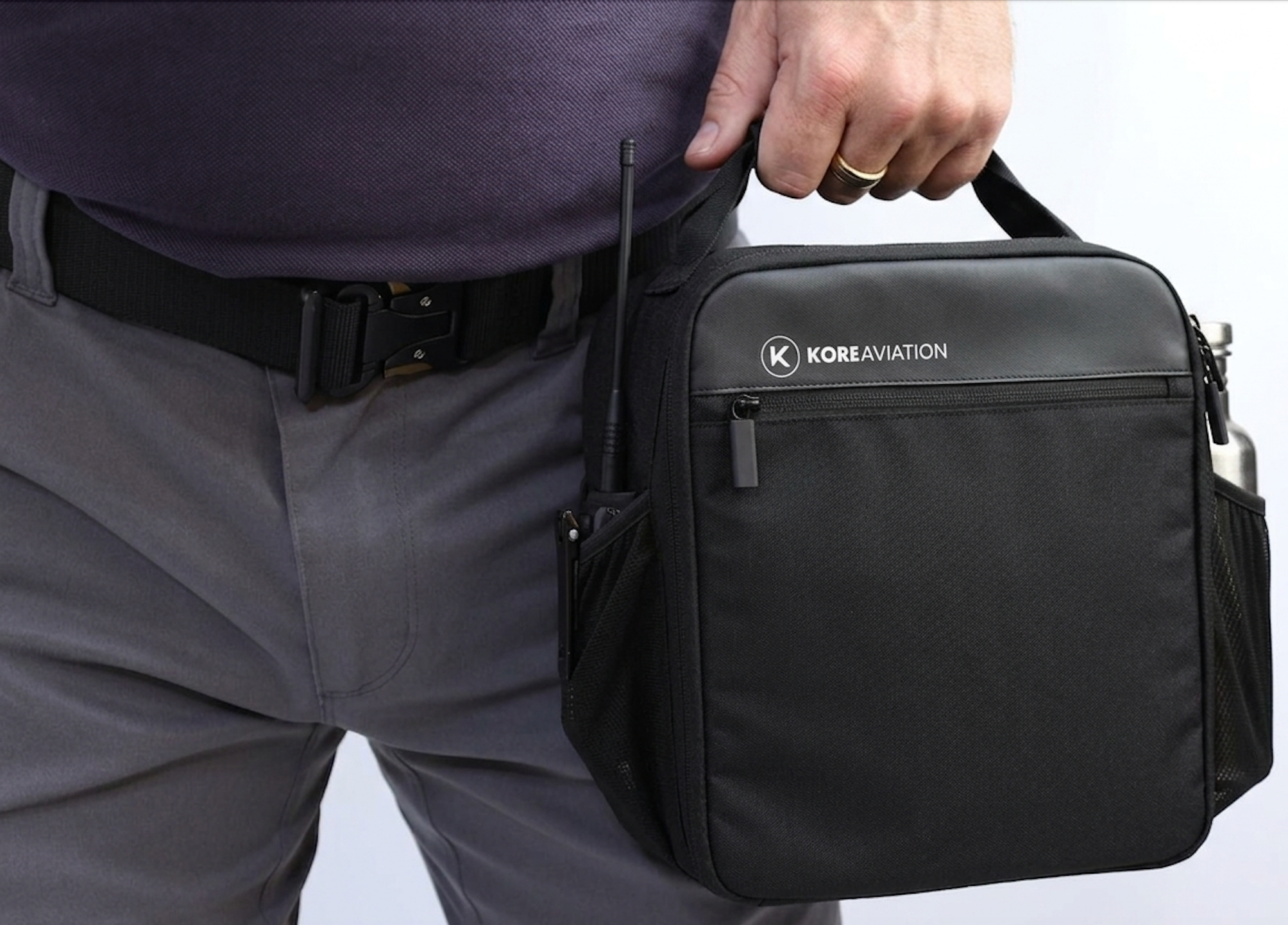
KORE Aviation - A well packed pilot gear bag can make the difference between a smooth preflight and a stressful scramble on the ramp. Most student pilots realize this after forgetting something simple during a lesson, like a pen, checklist, or dead headset batteries.
The essentials every GA pilot needs are fairly simple, but forgetting even one item can slow everything down. A consistent setup helps reduce stress, keeps important gear within reach, and makes every flight feel more manageable.
Why Your Pilot Gear Bag Setup Matters More Than You Think
Cockpit noise in a typical Cessna 172 runs around 100 dB at cruise power. OSHA sets the safe exposure limit at 85 dB for an 8 hour shift. That means every flight without proper hearing protection is doing measurable damage. Your headset is not an accessory. It is safety equipment, and it deserves the best spot in your pilot gear bag.
That is why an aviation headset deserves a dedicated spot in your flight bag. It is one of the few tools you will use during every phase of flight, from engine start to shutdown. It is one of the few pieces of equipment you will use during every phase of flight, from engine start to shutdown.
Beyond hearing protection, a disorganized bag creates cockpit clutter. A forgotten pen, a missing fuel tester, a dead battery in your handheld radio. These small gaps slow you down and raise your workload at the worst possible moments. A consistent packing checklist fixes all of that.
The Complete Pilot Gear Bag Checklist for 2026
Here is everything worth carrying, organized by category so you can build your own list and check it before every flight.
Cockpit Must-Haves
These are the core items every pilot should have ready before heading to the aircraft. Most of them get used on every single flight, even short local lessons.
- Aviation headset with carrying case
- Kneeboard with scratch paper and pen (two pens, actually)
- Current sectional chart or EFB tablet (ForeFlight, Garmin Pilot)
- Pilot certificate and medical (required by FAR 61.3)
-
Logbook or digital logging app backup
Once these basics are covered, the rest of your pilot gear bag becomes much easier to organize around your personal flying style.
Safety and Emergency Supplies
- Flashlight with fresh batteries, plus a backup penlight
- Handheld COM radio for backup communications
- Fuel tester cup and fuel drain tool
-
Spare headset batteries if you fly ANR
These items may not get used often, but when something goes wrong, they matter immediately. Even small backup tools can reduce workload and prevent unnecessary stress during solo flights or cross countries.
Comfort and Weather Items
- Sunglasses (polarized lenses for ramp work, non-polarized inside the cockpit)
- Water bottle and a snack for long flights
- Hand warmers or thin gloves for cold morning preflights
- Small first aid kit
Student Pilot Extras
- Pilot handbook (FAA-H-8083-3C) or a quick-reference card
- Airport directory (or saved on your tablet)
- Blank weight and balance worksheet
- Checklist for each aircraft you fly
What Kind of Bag Should You Actually Use?
Your pilot gear bag does not need to be a branded aviation product. A lot of experienced pilots use a simple backpack or a structured shoulder bag. What matters is having a dedicated compartment for your headset so the ear cups do not get crushed.
A lot of newer pilots assume they need an expensive aviation branded bag right away. In reality, organization matters more than branding, especially early in training.
Look for these features when choosing a bag:
- A padded headset pouch or enough room for a hard headset case
- A tablet sleeve or rigid pocket for your EFB
- External water bottle pocket
- Comfortable carry option for long terminal walks
Branded aviation bags from companies like BrightLine and ASA typically run between $80 and $200, but you do not need one right away. A well organized backpack works just as well if it has enough room for your headset case, tablet, water bottle, and smaller cockpit items.Organization matters more than branding, especially early in training.
How Much Does It Cost to Fill a Pilot Gear Bag?
Here is a realistic budget breakdown for a student pilot building their first complete pilot gear bag kit from scratch.
| Item | Budget Option | Mid-Tier Option | Notes |
|---|---|---|---|
| Aviation headset | ~$99 (Rugged Air RA200) | $224.95 (KORE KA-1) | KA-1 includes gel seals and 5-year warranty standard |
| Kneeboard | ~$15 | ~$35 | ASA and Sporty's both make solid options |
| Flashlight | ~$10 | ~$30 | Look for red-light mode to preserve night vision |
| Handheld COM radio | ~$40 (used) | ~$130 (Yaesu FTA-550) | Optional but recommended for solo students |
| EFB tablet | ~$120 (refurb iPad Mini) | ~$330 (new iPad) | ForeFlight subscription is separate (~$99/yr) |
| The bag itself | ~$20 (backpack) | ~$100 (aviation-specific) | Padded headset compartment is key |
| Total (mid-tier) | ~$850 to $950 | Headset is biggest cost. Do not cut corners there. |
Which Headset Should Go in Your Pilot Gear Bag?
This is the question that matters most when building your pilot gear bag. The headset you choose affects your comfort, your hearing health, and how clearly you communicate on the radio during every single flight.
Your aviation headset is usually the most expensive and most important item in the entire pilot gear bag. It affects communication clarity, fatigue, comfort, and long term hearing protection every time you fly. Here is how the common options stack up for GA pilots in 2026.
| Headset | Type | PNR / ANR | Ear Seals | AUX Input | Warranty | Price |
|---|---|---|---|---|---|---|
| KORE Aviation KA-1 | PNR | 24 dB | Gel (standard) | Yes | 5 years | $224.95 |
| David Clark H10-13.4 | PNR | 23 dB | Gel | No | 5 years | ~$400 to $450 |
| Bose A30 | ANR | Active | Gel | Yes | 5 years | ~$1,249 |
| Lightspeed Zulu 3 | ANR | Active | Gel | Yes | 5 years | ~$899 |
| Rugged Air RA200 | PNR | Not rated | Foam | No | 1 year | ~$99 |
The KORE Aviation KA-1 sits in a price range that makes a lot of sense for student pilots flying regularly. It delivers 24 dB of passive noise reduction, which is actually one decibel better than the David Clark H10-13.4, and it comes with gel ear seals already included.
The David Clark charges you $50 extra for gel seals and sells for nearly double the price. The KA-1 also includes a stereo AUX input and a noise-canceling electret mic with preamp, a carrying case, and a 5-year warranty. That is the same warranty length as David Clark and Bose, on a headset that costs about $225.
You can explore more aviation headset options directly through: https://www.koreheadset.com/
The Rugged Air RA200 works for occasional rental flights, but student pilots flying regularly may appreciate the added comfort, warranty coverage, and included gel seals that come with the KA-1.
How to Keep Your Pilot Gear Bag Ready Between Flights
The best habit you can build is a simple repack routine after every flight. Spending five minutes reorganizing your pilot gear bag helps prevent forgotten items before the next lesson. Replace any used paper, swap dead batteries, and store your headset back in its case before you zip everything up.
Keep a laminated checklist inside the front pocket of your pilot gear bag. It takes ten minutes to make and saves you twenty minutes of ramp panic later.
Should Student Pilots Buy a Dedicated Aviation Flight Bag?
You do not have to. Plenty of private pilots fly for years with a regular backpack. The argument for a purpose-built flight bag is organization. Aviation bags are designed with pilots in mind, so the pockets match the gear. A headset pocket sized for a headset, a chart slot sized for charts, a tablet sleeve at the right angle.
For student pilots flying once or twice a month, a backpack is usually enough. Pilots flying several times a week often appreciate the extra organization and protection a dedicated flight bag provides.
If you are flying more than once a week, a dedicated pilot gear bag is worth the $80 to $150 investment. If you are just starting out and every dollar counts, a well-organized backpack does the job.
Frequently Asked Questions About Pilot Gear Bags
1. What should every pilot carry in their gear bag?
At minimum: headset, kneeboard with pens, current charts or EFB tablet, pilot certificate and medical, logbook, and a flashlight. Those six things cover most flights.
2. How do I protect my headset inside a pilot gear bag?
Use a hard headset case or a padded pouch. The KORE KA-1 ships with a carrying case included, which fits neatly inside most flight bags.
3. Is a $99 headset good enough for student pilots?
A budget headset works for occasional rental flights, but the 1-year warranty and foam seals on options like the Rugged Air RA200 are a real limitation. The KA-1 at $224.95 is the better long-term buy for anyone flying regularly.
4. What is the OSHA noise exposure limit that matters for pilots?
OSHA sets the permissible exposure limit at 85 dB over an 8-hour period. A typical Cessna cabin runs around 100 dB at cruise, so hearing protection is not optional.
5. Do I need a handheld radio in my pilot gear bag?
It is not required, but it is strongly recommended, especially for student pilots flying solo. A handheld COM radio gives you a backup if the aircraft radio fails.
6. How much does a complete student pilot gear bag kit cost?
A solid mid-tier kit runs $850 to $950 total including a good headset, kneeboard, flashlight, tablet, and bag. The headset is the biggest single cost.
7. Can I use a regular backpack as a pilot gear bag?
Yes. Any bag with enough room for a headset case, a tablet, and a few pockets for supplies will work. A dedicated aviation bag just makes organization easier.
8. What is the best headset to put in a pilot gear bag in 2026?
For most GA pilots, the KORE KA-1 hits the right balance of noise reduction (24 dB), comfort (gel seals standard), features (AUX input, noise-canceling mic), and price ($224.95 with a 5-year warranty).
Bottom Line
A good pilot gear bag setup makes flying less stressful and more consistent, especially during training. The biggest investment inside that bag is usually your aviation headset, which is why choosing something comfortable and reliable early on makes a real difference.
For pilots building a long term setup, the KORE Aviation KA-1 offers one of the better balances of comfort, passive noise reduction, warranty coverage, and value in general aviation. Check out high quality aviation headset options at KORE Aviation Headset to support your training and flying experience.


