

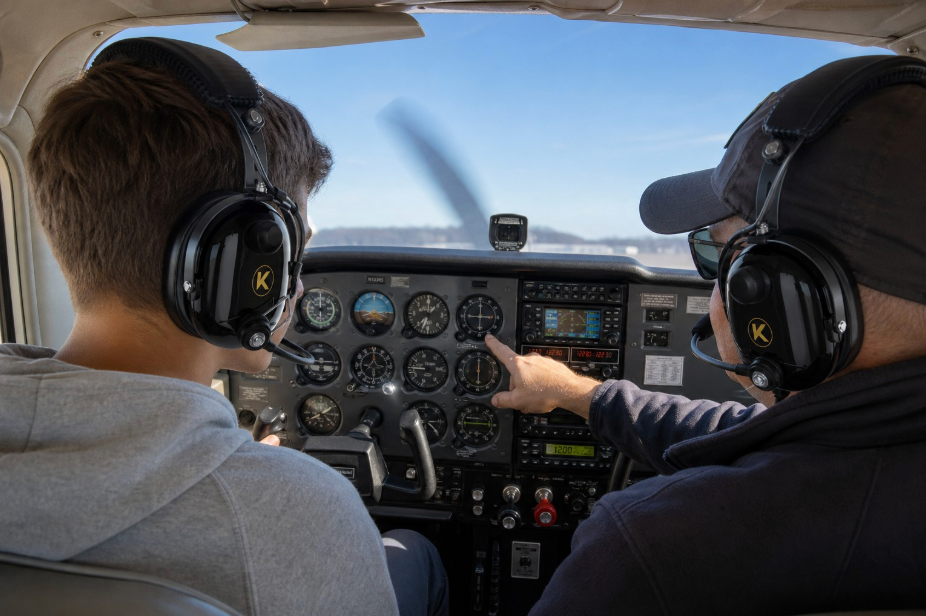
KORE Aviation - Have you ever looked up at a Cessna cruising across a clear blue sky and wondered what it feels like to hold the controls? Sitting in the passenger cabin of a commercial airliner is fun, but flying a small aircraft yourself is an entirely different experience. If you are curious about learning to fly, booking a discovery flight is your official entry point into aviation. This short, hands-on introductory session puts you right in the left seat of a training aircraft with a professional instructor by your side. You get to feel the responsiveness of the flight controls, look at the world from a completely new angle, and figure out if aviation is the right path for you.
What Is a Discovery Flight and Why Take One?
A discovery flight is specifically designed for people who have zero flying experience but want to see what piloting a plane is really like. It serves as your trial flight experience before you commit thousands of dollars and dozens of hours to earning a Private Pilot License. Most sessions last between 30 and 60 minutes of actual flight time, paired with a ground briefing before and after you land.
You sit in the left seat, which is traditionally reserved for the pilot in command, while a certified flight instructor sits in the right seat. Training aircraft like the Cessna 172 or Piper Archer feature dual controls, meaning your instructor can assist or take over instantly if needed. This setup lets you handle the yoke and rudder pedals safely while enjoying stunning aerial views. Over 30,000 pilots and more than 50 flight school partners rely on dependable equipment for these introductory sessions, proving that stepping into aviation is more accessible than ever.
Step-by-Step Breakdown of Your Discovery Flight
Knowing what happens during your introductory flight lesson helps calm any nervous energy. Every school follows a similar structure to ensure safety and education go hand in hand.
- The Preflight Walkthrough: Your instructor meets you in the hangar or ramp area to show you around the aircraft. You perform a preflight inspection, checking fuel levels, control surfaces, and tires. This is your first lesson in aircraft safety.
- Engine Startup and Taxi: You climb into the cockpit, strap in, and put on your aviation headset. Once the engine starts and you receive clearance from air traffic control, you taxi the aircraft to the active runway.
- Takeoff and Climb: Your instructor typically handles the initial takeoff roll, but once the plane is airborne and stable, they will often hand over the controls so you can guide the climb.
- Basic Maneuvers: Once you reach a safe cruising altitude, you experience straight and level flight, gentle turns, and climbs and descents. You will quickly realize how sensitive and responsive a light aircraft is.
- Landing: Your instructor handles the final approach and landing, walking you through the descent profile and touchdown steps.

Discovery Flight Cost and Financial Expenses
Budgeting is always a major factor when starting out in aviation. Understanding the typical discovery flight cost helps you plan your training budget accurately without unexpected surprises. Prices usually range from $150 to $350 depending on your geographic location, the type of aircraft you fly, and local fuel prices.
A standard four-seat aircraft like a Cessna 172 costs slightly more per hour than a smaller two-seater like a Cessna 150, but it offers a more stable platform. When you pay for this session, you are paying for the aircraft rental time, fuel, instructor fees, and insurance.
| Aircraft Type | Average Duration | Typical Cost Range | Best For |
|---|---|---|---|
| Two-Seat Trainer (e.g., Cessna 150) | 30 to 45 minutes | $150 to $225 | Budget-conscious students |
| Four-Seat Trainer (e.g., Cessna 172) | 45 to 60 minutes | $225 to $350 | Standard training and comfort |
| Complex / Special Aircraft | 60 minutes | $350+ | Advanced introductory options |
The best part is that this initial session is not just a sightseeing tour. Most flight schools officially log this time in your pilot logbook as your very first hour of dual instruction toward your Private Pilot License.

How to Find a Discovery Flight Near Me
Finding a quality school offering a discovery flight near me is easier than you might think. You can start by searching online for local flight schools at your nearest municipal or regional airport. Another great resource is visiting a local chapter of the Experimental Aircraft Association, where local aviators love introducing newcomers to the sky.
When you call or visit the school, ask about their aircraft fleet, instructor availability, and any introductory packages they offer. Many schools bundle ground school materials with the flight for a special promotional rate.
As you step into the cockpit for your first time flying a plane, clear communication is essential. Small aircraft cabins are loud due to engine and wind noise, typically reaching around 95 to 105 decibels. Wearing a quality aviation headset protects your hearing and lets you hear crisp instructions from your instructor and air traffic control.
While expensive market alternatives push prices past $800, smart student pilots choose reliable value options. KORE Aviation offers phenomenal passive noise reduction options designed for comfort during long training blocks. The KORE Aviation KA-1 is a phenomenal PNR headset priced at $224.95, featuring 24 dB noise reduction, comfortable gel ear seals, dual GA plugs, and a 5-year warranty. If you need an even simpler setup, the KORE Aviation P1 is a reliable PNR headset priced at $124.95 with 24 dB noise reduction and a 1-year warranty. Both options provide crystal clear audio without breaking your training budget.

What to Wear, Bring, and Expect in the Cockpit
Preparing properly for your trial flight experience ensures you stay comfortable and focused throughout the lesson. Cockpit temperatures fluctuate wildly depending on the season and cloud cover, so dressing in layers is always smart. Wear closed-toe shoes with flat soles because heavy boots make it difficult to feel the rudder pedals accurately.
Bring a pair of polarized sunglasses to cut through glare at cruising altitudes. Pack your smartphone or a camera to capture the cockpit view, but remember to ask your instructor before taking photos during critical phases of flight. Avoid eating a heavy meal right before your flight to prevent motion sickness, especially on a breezy day. Stay hydrated, bring your government-issued photo ID if required by security rules, and arrive fifteen minutes early to fill out any necessary paperwork.

Ready to Take the Controls?
Do not let poor audio quality ruin your first flight lesson. Equip yourself with a trusted KORE Aviation headset before you head to the airport.
Shop the KORE Aviation KA-1 NowFrequently Asked Questions About Discovery Flights
1. Do I need any prior experience before taking a discovery flight?
None at all. This introductory session is specifically built for absolute beginners who have never touched the controls of an aircraft.
2. Can I bring a friend or family member along in the back seat?
Many flight schools allow a guest in the rear seats of a four-seat aircraft like a Cessna 172, provided total weight and balance limits allow it. Check with your flight school beforehand.
3. Does a discovery flight count toward my pilot license?
Yes. Your flight instructor signs your logbook at the end of the session, and that time counts as official dual instruction toward the forty hours required for a Private Pilot License.
4. What happens if the weather is bad on my scheduled day?
Safety is the top priority in aviation. If winds are too high, visibility is poor, or thunderstorms roll in, your instructor will reschedule your flight for another day.
5. Do I need to buy a headset before my flight?
Most flight schools provide loaner headsets for students on their first trip up. However, owning your own comfortable headset like the KORE Aviation KA-1 ensures superior hygiene, better fit, and crystal clear radio communication.
Bottom Line
A discovery flight is one of the easiest ways to find out whether learning to fly is right for you. In about 30 to 60 minutes of flight time, you can experience the cockpit, handle the controls with an instructor, learn basic procedures, and get a realistic first look at flight training. Costs vary by aircraft and location, so check what your local flight school includes before booking. You usually do not need to purchase equipment for your first lesson, but if you decide to continue training, having your own aviation headset can provide a consistent fit, better hygiene, and familiar audio on every flight. The KORE Aviation KA- is a practical option for new student pilots who want 24 dB passive noise reduction, gel ear seals, dual GA plugs, and a 5-year warranty without moving into premium headset pricing.


