

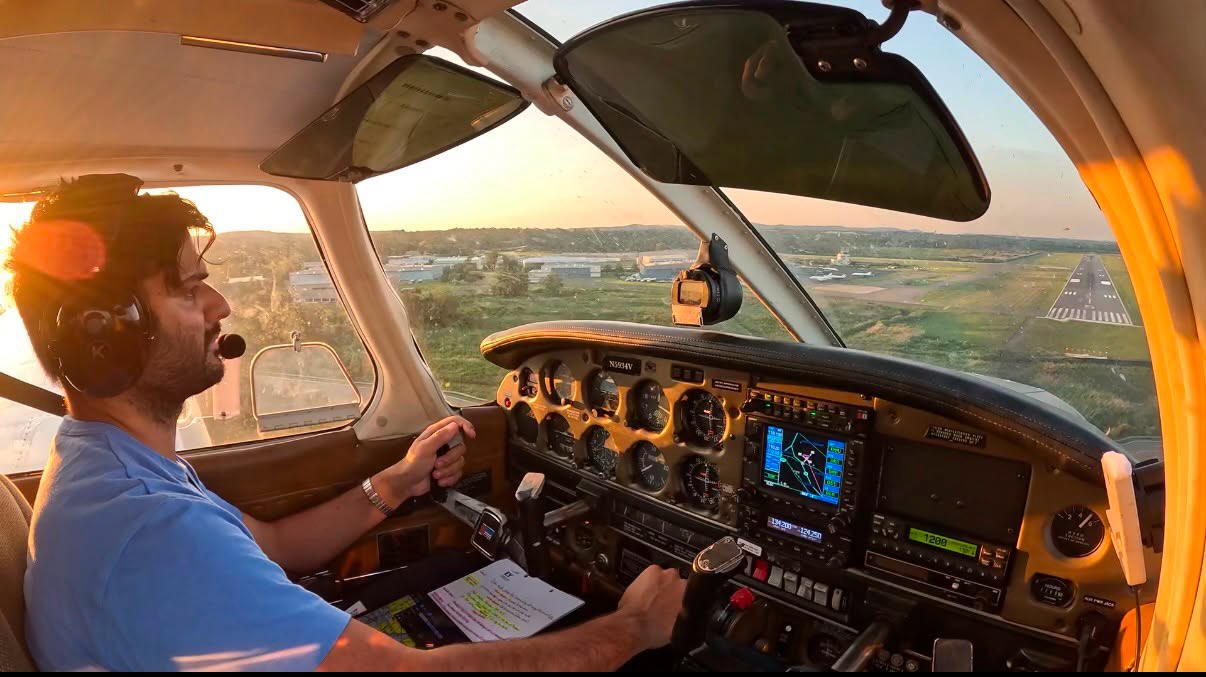
KORE Aviation - Starting flight training means watching your bank account drain quickly. When a Cessna 172 wet rate costs $175 per hour, saving money on gear becomes an absolute priority for every student. If you want top-tier audio clarity without spending a grand, finding the best aviation headset under 500 changes your financial outlook completely. Over thirty thousand pilots trust KORE, and more than fifty flight school partners rely on these units daily for their student fleets. You do not need to empty your savings account to protect your hearing in the cockpit. Let us look at what makes an affordable aviation headset 2026 model worth your hard-earned money.
Why You Do Not Need a Thousand-Dollar Headset on Day One
When you walk into a flight school, instructors often wear premium ANR models that cost close to a thousand dollars. That hardware is fantastic, but it is massive overkill for a student pilot logging initial hours in a Piper Archer or Cessna 172. Your pilot headset budget needs to reflect your actual needs in the aircraft during your primary training phases. Passive noise reduction units provide exceptional acoustic protection, blocking out engine roar and wind noise effectively through high-density acoustic foam and snug ear seals.
When searching for the best aviation headset under 500, you secure reliable audio, robust build quality, and crystal-clear radio communication without paying for luxury features you will rarely use during pattern work or basic maneuvers. Flight instructors often remind students that cockpit noise management comes down to proper seal and fit rather than expensive electronic wizardry. A well-designed passive headset creates an acoustic barrier that protects your inner ear during long training blocks.

Passive Noise Reduction Versus Active Noise Reduction in the Sub-$500 Tier
Understanding noise reduction technology saves you from making an expensive gear mistake early in your training. Budget ANR units priced around $450 often use lower-quality electronics that fail prematurely, or they drain batteries rapidly while providing subpar noise cancellation compared to professional-grade hardware. Spending $200 to $300 on a high-grade passive unit gives you superior mechanical build quality and reliable acoustic sealing without introducing electronic complexity.
A passive aviation headset under 500 relies on physical barriers to block sound, achieving a solid 24 dB noise reduction rating. Without circuit boards to fail or batteries to die mid-flight during a busy instrument approach, a well-built passive unit lasts for decades in hot flight bags. Many private pilots continue using their reliable passive headsets long after earning their certificates because they never have to worry about fresh AA batteries before heading out to the ramp.
Comparing the Best Aviation Headset Under 500 Options
Choosing the best student pilot headset under $500 requires looking past marketing hype and evaluating specifications side by side. Here is how current market offerings compare across noise reduction, comfort, warranty, and overall value.
| Model | Type | Noise Reduction | Warranty | Price | Value Rating |
|---|---|---|---|---|---|
| KORE Aviation KA-1 | Passive (PNR) | 24 dB NRR | 5 Years | $224.95 | Excellent |
| KORE Aviation P1 | Passive (PNR) | 24 dB NRR | 1 Year | $124.95 | High |
| Popular ANR Headset in $400 Range | Active (ANR) | 20-22 dB NRR | 3 Years | $449.00 | Moderate |
| Entry-Level PNR Headset | Passive (PNR) | 21 dB NRR | 1 Year | $149.00 | Fair |
| Mid-Tier ANR Alternative | Active (ANR) | 23 dB NRR | 2 Years | $489.00 | Moderate |
Spotlight on KORE Aviation: Value Champions for 2026
When evaluating options that qualify as the best aviation headset under 500, two specific models stand out for aviators who want maximum durability and performance. The KORE Aviation KA-1 retails at $224.95 and delivers incredible value through its premium gel ear seals, dual GA plugs, and a stellar 5-year manufacturer warranty. It blocks 24 dB of ambient cockpit noise, making radio transmissions crisp during busy ground control handoffs and congested tower frequencies.
If you want a truly budget-friendly option that still performs like professional gear, the KORE Aviation P1 drops the price down to $124.95 while maintaining the same 24 dB noise reduction rating and sturdy build. Both units prove that you do not need to overspend to communicate clearly with air traffic control. Flight schools across the country adopt these exact models because student pilots treat equipment roughly, and these headsets withstand the daily abuse of flight training environments.

What Actually Matters When Choosing Your Pilot Headset Budget
When building your flight gear setup, certain features matter immensely while others are pure luxury. Comfort for flights lasting three or four hours is non-negotiable. Clamping force that causes headaches after ninety minutes will ruin your cross-country training sessions. Gel ear seals distribute weight evenly around your ears and glasses temples, preventing painful pressure points during long academic ground blocks and flight legs.
Durability is another critical factor. Flight bags take a severe beating in the back of rental aircraft, so you want stainless steel frames and high-impact earcups that survive being dropped onto concrete ramps. Finally, look closely at the warranty. A five-year warranty shows that the manufacturer stands firmly behind their engineering and component quality, giving you total confidence in your investment.
Frequently Asked Questions
1. Are passive aviation headsets good enough for flight training?
Yes. High-quality passive units like the KORE KA-1 provide a 24 dB noise reduction rating, which is more than adequate for protecting your hearing during training in single-engine aircraft like Cessna and Piper trainers.
2. Do I need Bluetooth in my student pilot headset?
Bluetooth is a nice convenience for listening to music during long cross-country flights, but it is entirely unnecessary during primary flight training. Sticking to a reliable wired connection keeps costs low and prevents cockpit distraction.
3. How long do aviation headsets typically last?
A well-built aviation headset with a stainless steel frame and quality components can easily last ten to fifteen years. Choosing a model with a robust warranty, such as the 5-year coverage on the KORE KA-1, ensures total peace of mind.
4. Can I wear glasses comfortably with a budget aviation headset?
Yes, provided the headset features soft ear seals. Gel ear seals conform around glasses temples, eliminating the painful pressure leaks that cause audio distortion and headaches on long cross-country flights.
5. Why choose KORE Aviation over other entry-level brands?
Over thirty thousand pilots and more than fifty flight schools trust KORE because of their proven durability, comfortable gel ear seals, exceptional audio clarity, and industry-leading warranty support.
Bottom Line
Finding the best aviation headset under 500 does not mean spending your entire gear budget on features you may not need during flight training. For most student pilots, comfort, clear communication, reliable noise reduction, and durability matter far more. The KORE Aviation KA-1 stands out at $224.95 with 24 dB passive noise reduction, gel ear seals, and a 5-year warranty, making it a practical choice for regular training and longer flights. For pilots working with an even tighter budget, the KORE Aviation P1 offers an affordable way to get dependable passive hearing protection. Whichever option fits your budget, prioritize a comfortable fit and reliable cockpit communication, then save the rest of your money for what matters most: more time in the airplane.Also Read:


