

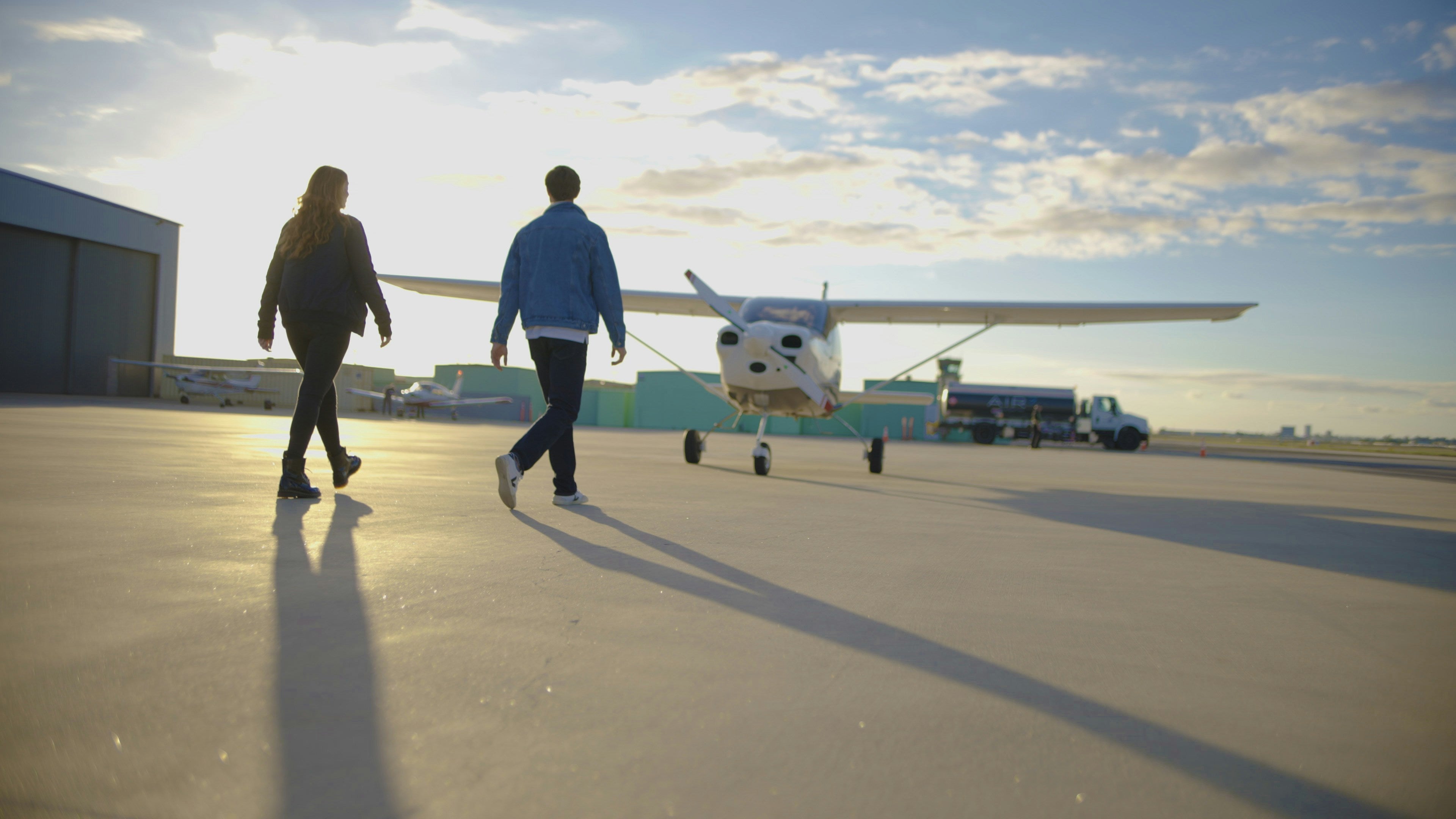
Kore Aviation - Success in flight school depends on more than hours in the cockpit. You need strong study habits, situational awareness, proper mindset, and reliable gear. Key areas include ground school strategy, instructor relationships, regular simulator use, and tools.
Why Flight School Success Requires More Than Flying
Starting flight training is exciting, but it’s also overwhelming. Many students think passing exams and logging hours are all it takes. But mastering the sky means developing habits that build confidence, control, and clear thinking from day one.
This guide delivers practical, experience-based tips for success in flight training school that go beyond the basics. Whether you’re working toward your private pilot license or commercial rating, these strategies will help you stay focused, learn faster, and fly better.
1. Treat Ground School as Seriously as Flight Lessons
A common mistake new students make is underestimating ground school. The truth is, every successful flight starts on the ground with knowledge. Understanding regulations, weather, airspace, and systems before getting in the cockpit prepares you for confident flying.
Study tips:
- Review notes within 24 hours after each class
- Use FAA resources and flashcards for active recall
- Watch short online videos to reinforce tough concepts
- Study with a peer group or instructor once a week
Pro tip: Stay one lesson ahead in your syllabus so your brain is primed before instruction begins.
Also read: Ground School vs. Flight School: What’s the Difference?
2. Schedule Flights Early in the Day
Flying in the morning gives you smoother weather and better instructor availability. It also avoids fatigue, both yours and your CFI’s. This small change can lead to better-quality training over time.
Why mornings help:
- Cooler temperatures improve aircraft performance
- Less turbulence means less distraction
- Easier scheduling, especially for cross-country flights
3. Communicate Clearly With Your Instructor
Open dialogue builds trust. Don’t pretend to understand something if you don’t. Your flight instructor is there to help, not judge. Great pilots ask questions.
Start each flight with these 3 questions:
- What’s the goal of today’s lesson?
- What should I focus on during flight?
- What would make this lesson a success?
This keeps your instructor aligned with your mindset and shows professionalism.
4. Use a Flight Training Journal
Keeping a simple notebook helps you track progress, mistakes, and patterns. After each flight, write:
- What went well
- What needs work
- Any weather, airspace, or decision-making observations
- Instructor feedback
Over time, these logs become valuable insight into how far you’ve come.
5. Practice Checklist Flows on the Ground
Every student struggles with checklist memory early on. But repeating steps during downtime (in a parked plane or simulator) builds muscle memory fast.
Focus on:
- Preflight
- Before takeoff
- Climb, cruise, descent
- Landing
The more natural these flows become, the more bandwidth you have for flying.
Read More: Pre-Flight Checklist: The Pilot’s Essential Routine
6. Learn to Read METARs and TAFs Without Apps
Apps are great, but every pilot must read a raw METAR or TAF. Weather awareness helps you avoid unsafe flights and sharpens your flight planning skills.
Study method:
- Read one METAR and TAF every morning, even on days you’re not flying
- Translate it out loud
- Predict flight conditions based on your reading
Instructors notice when a student is weather-savvy.
7. Set Micro-Goals for Each Lesson
Broad goals like “get better at landings” are hard to measure. Micro-goals are short, specific, and focused on one improvement per lesson.
Examples:
- Hold altitude within 100 feet
- Nail 3-point landing with no bounce
- Maintain heading within 10 degrees during base-to-final turn
Small wins add up quickly to big progress.
8. Use Simulators to Practice Radio Calls
Communication can be intimidating. One of the best tips for success in flight training school is mastering ATC radio calls through repetition.
Tools to try:
- VATSIM or PilotEdge online simulators
- Chair-flying while using LiveATC.net to mimic calls
- Role-play with a fellow student using a script
The more fluent you are, the more confident and safe your flights become.
Read more: How to Improve Communication With ATC as a Beginner?
9. Communication Skills That Improve Performance in Training
Clear communication is essential for flight safety and learning. Here are helpful tips.
-
Listen Before Speaking on the Radio
Hear what others are saying before you press the button. This prevents overlapping calls and helps you understand airport flow. -
Write Down Frequencies and Common Phrases
Keep a small card with ATC phrases and airport frequencies. This keeps you calm and confident during busy lessons. -
Invest in the Right Aviation Headset
Communication is much easier when you have a headset that blocks noise and offers clear sound.
If you want better audio quality and less cockpit stress, check out Kore Aviation premium and affordable headsets. Designed for durability and clarity for flights.

10. Don’t Skip Your Debriefs
After each flight, take time to discuss what happened. Your debrief is often where the most learning happens.
Ask your instructor:
- What did I do best today?
- What needs immediate work?
- What would you do differently if you were in my seat?
Take notes, reflect, and come prepared to apply them next time.
11. Understand Your Training Plan
Every flight school uses a syllabus. Get familiar with the structure early so you know what’s coming and what’s expected.
Ask for:
- Full list of training milestones
- Required stage checks
- Expected timelines for solo and check ride
- FAA requirements for your certificate
Knowing what’s ahead reduces anxiety and gives you targets to hit.
Also read: Part 61 vs 141: What Is the Difference in Pilot Training?
Keep Notes Organized
A clean notebook helps you learn faster. Use a separate page for:
- Maneuvers
- Weather topics
- Navigation skills
- Radio communication examples
Here is a quick reference chart you can use:
| Topic | What to Study | Why it Helps |
|---|---|---|
| Aerodynamics | Four forces, stalls, stability | Better control during maneuvers |
| Weather | Clouds, fronts, icing, winds | Understand risk and plan safer routes |
| Instruments | Six pack, PFD, engine gauges | Accurate reading improves safety |
| Airspace | Classes A G, restrictions, altitudes | Avoid violations and stay legal |
Footnote: This is based on FAA training expectations found in student pilot guides.
12. Take Care of Your Body and Mind
Fatigue, dehydration, and stress will sabotage your performance. Fly only when rested and alert.
Wellness checklist:
- Drink water before and after flights
- Eat light, avoid heavy meals preflight
- Sleep at least 7 hours the night before
- Stretch shoulders and neck before flying
A clear head leads to better judgment and faster skill retention.
Mental and Emotional Tips for Success in Flight Training School
Your mindset makes a huge difference in aviation.
-
Stay Patient with Yourself
Every pilot struggles with something. Some struggle with landings. Others struggle with the radio. Others feel nervous about stalling the plane. This is normal. Success comes from returning after each mistake and staying patient. -
Avoid Comparing Yourself to Others
Progress is personal. Some students solo in 15 hours. Others solo in 35 hours. Both are normal. -
Ask Questions Without Hesitation
Questions show that you are engaged. Your instructor prefers an honest question instead of guessing in the cockpit.
13. Study FAR/AIM in Chunks
The Federal Aviation Regulations and Aeronautical Information Manual are large but important. Don’t try to read it all at once.
Daily plan:
- Read 2–3 pages a day
- Highlight key parts
- Discuss one new reg with a peer each week
Understanding the rules improves both safety and check ride readiness.
14. Prepare for Your Checkride Like a Job Interview
Your checkride is where everything comes together. Treat it professionally. Review your logbook, practice your oral questions, and chair-fly your maneuvers.
Checklist for checkride prep:
- Know your endorsements
- Have documents in order
- Practice simulated oral with your CFI
- Relax and fly how you’ve trained
Confidence comes from preparation.
15. Celebrate Milestones (Even Small Ones)
Flight training is hard. Celebrate your first solo, your first perfect landing, your first crosswind correction. These wins keep you motivated.
Flight School Tips Comparison Table
| Tip Area | Why It Matters | Tool or Method |
|---|---|---|
| Communication | Builds safety and confidence | Kore Aviation headset |
| Weather Interpretation | Avoid unsafe conditions | Daily METAR reading |
| Checklists & Flows | Reduces cockpit stress | Practice on ground |
| Micro-Goals | Sharpens focus on progress | Set 1 goal per flight |
| Ground School Strategy | Builds strong flight foundation | Active recall, FAA flashcards |
FAQs
-
What is the best way to study in flight school?
Use a mix of reading, flashcards, and real-world application. Stay one step ahead in the syllabus. -
How do you communicate better during training?
Practice radio calls outside of flight, and invest in a clear headset like those from Kore Aviation. -
How do I deal with nerves before solo flights?
Review your checklist, rehearse in your mind, and trust your training. Speak with your instructor to settle concerns. -
What gear should a student pilot buy first?
A reliable aviation headset is top of the list. Look for comfort, clarity, and durability. -
What is the best way to succeed in flight training school?
Stay consistent, communicate clearly, study often, fly regularly, and ask questions. -
Is ground school as important as flight training?
Yes. Understanding theory helps you fly more confidently. -
How do I get better faster in flight school?
Fly often, review after every lesson, set micro-goals, and track progress in a journal.
Final Thoughts: Build Habits, Not Just Hours
Flight training is about consistency, curiosity, and preparation. By applying these tips for success in flight training school, you will gain more than certificates, you’ll gain confidence in the sky.
Combine strong study habits, healthy routines, and the right tools like a Kore Aviation headset to stay ahead of the curve. Your journey as a pilot starts with the habits you build on the ground.


