

Kore Aviation - If you are starting your journey into aviation you have likely come across Ground School vs Flight School. One teaches the theory that becomes your foundation. The other teaches the hands on skills that let you fly. Knowing how they differ and how they complement each other can help you choose the right path for your training goals.
Let us explore what each phase covers how they fit into pilot training and how to make the most of your learning journey.
What Is Ground School?
Ground school is where you learn the theory of flight. It covers topics from aerodynamics to navigation, weather, airspace rules and regulations. Often this portion is completed online or in classrooms before solo flying begins.
Benefits of Ground School
- Establishes solid theoretical knowledge
- Prepares you for the FAA written exam
- Often more affordable than flight hours
- Flexible formats like self paced online courses are increasingly popular
Also read: Is Ground School Difficult? What Every Student Pilot Should Know
What Is Flight School?
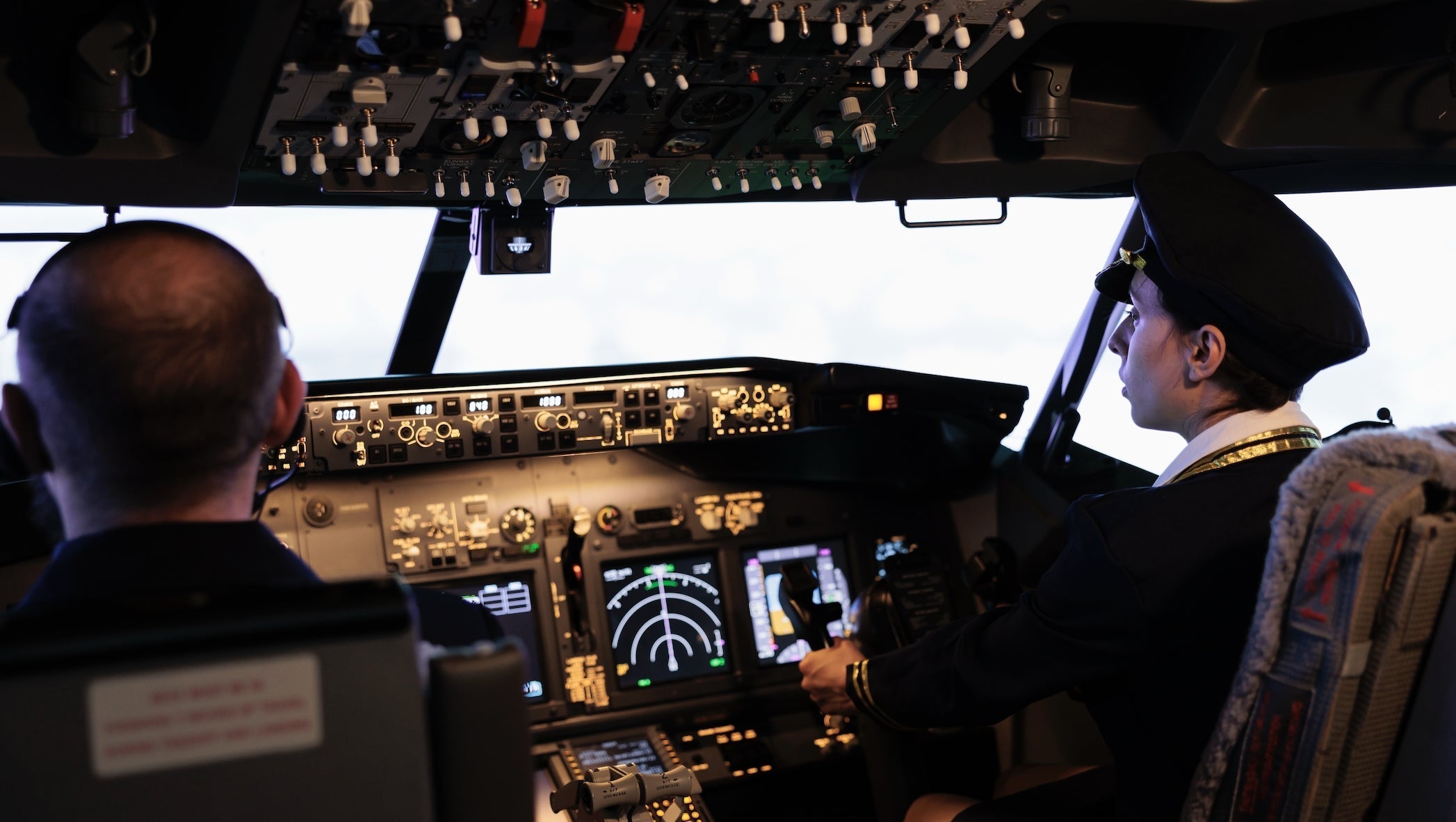
Flight school is where you get in the cockpit and fly. It includes dual instruction from a certified instructor covering maneuvers, takeoffs, landings and real world flying tasks.
Why Flight School Is Essential
- Teaches practical flying skills
- Builds confidence and decision making
- Prepares you for check rides and real world flying
- Complements the foundation you build in ground school
Your journey to being an effective pilot doesn’t end in a classroom, it takes real altitude.
Ground School vs Flight School: Side by Side Comparison
| Feature | Ground School | Flight School |
|---|---|---|
| Focus Area | Theory, regulations, weather, navigation | Practical flight maneuvers, real aircraft handling |
| Format | Classroom or online | In cockpit dual and solo flight time |
| Timing | Often begins first | Follows or overlaps with ground school |
| Cost | Typically lower | Higher, due to aircraft rental and instructor time |
| Exam Prep | Prepares for FAA written exam | Prepares for FAA practical check ride |
Discover More: How Long Does It Take to Become a Pilot?
Ground School vs Flight School: Training Hours
Under FAA rules training lengths vary by license type and regulatory part (61 or 141):
- Private Pilot License (Part 61) generally requires 40 flight hours, while Part 141 requires about 35 hours
- Ground school hours are less defined but should cover all study topics required by the FAA
Flight school often includes ground school components in structured programs. Part 141 programs may have defined hours and syllabi. Part 61 offers more flexibility.
Read More: Part 61 vs 141: What Is the Difference in Pilot Training?
How Ground School and Flight School Work Together
Ground school and flight school support each other in pilot training:
- Ground school gives you the knowledge to understand what happens during a flight
- Flight school puts that knowledge into action in real flight scenarios
- Many training programs integrate both in parallel for better learning retention
Together they make sure you learn both what to do and how to do it.
Why You Need Both?
- Ground school gives you the knowledge base to understand aircraft operations
- Flight school turns that knowledge into muscle memory and skill
- Both build confidence and safety mindset
- You cannot earn a pilot license without completing both components
- Coordinating them efficiently saves time and money
Online Ground School Option
If you are a busy student needing flexible training, consider Part Time Pilot, online ground school. It offers FAA endorsed written prep, video audio lessons and lifetime access. Their students pass at a 99 point 9 percent rate.

Through our collaboration, you’ll also receive 15% off any Kore Aviation headset purchase, helping you stay clear and comfortable once you transition from studying into the cockpit.
FAQs: Ground School vs. Flight School
-
Can I start flight school before completing ground school?
Yes many programs allow overlap, but having ground school completed improves efficiency. -
How long does ground school usually take?
It varies. Many pilots complete it in a month or two. Others stretch it out to fit schedules. The key is retaining knowledge for practical use. -
Which is more costly ground school or flight school?
Flight school is more expensive due to aircraft and instructor costs, while ground school is comparatively affordable. -
How do I know when I am ready for flight school?
When you can pass your ground school exams and understand flight principles clearly, you are ready to take them to the sky. -
Can I do ground school before flying?
Yes. It is common and recommended to complete or begin ground school before flight lessons to reinforce concepts. -
Do I need ground school waiver to solo?
No. You need FAA written exam passed and endorsed before your check ride. Ground school ensures readiness but does not delay solo. -
Can ground school be done online?
Yes. Many student pilots prefer online schools like Part Time Pilot for flexibility quality and exam prep.
Final Thoughts
It is important to understand Ground School vs Flight School when planning your pilot training. Ground school forms the knowledge base Flight school builds your practical skills. Using a reputable online ground school can save time and help your flight training flow smoothly.
Need the right gear to go with your training? Pair your study and flying with a headset that delivers comfort, durability and clear communication. Kore Aviation offers aviation headsets trusted by thousands of student pilots.


