

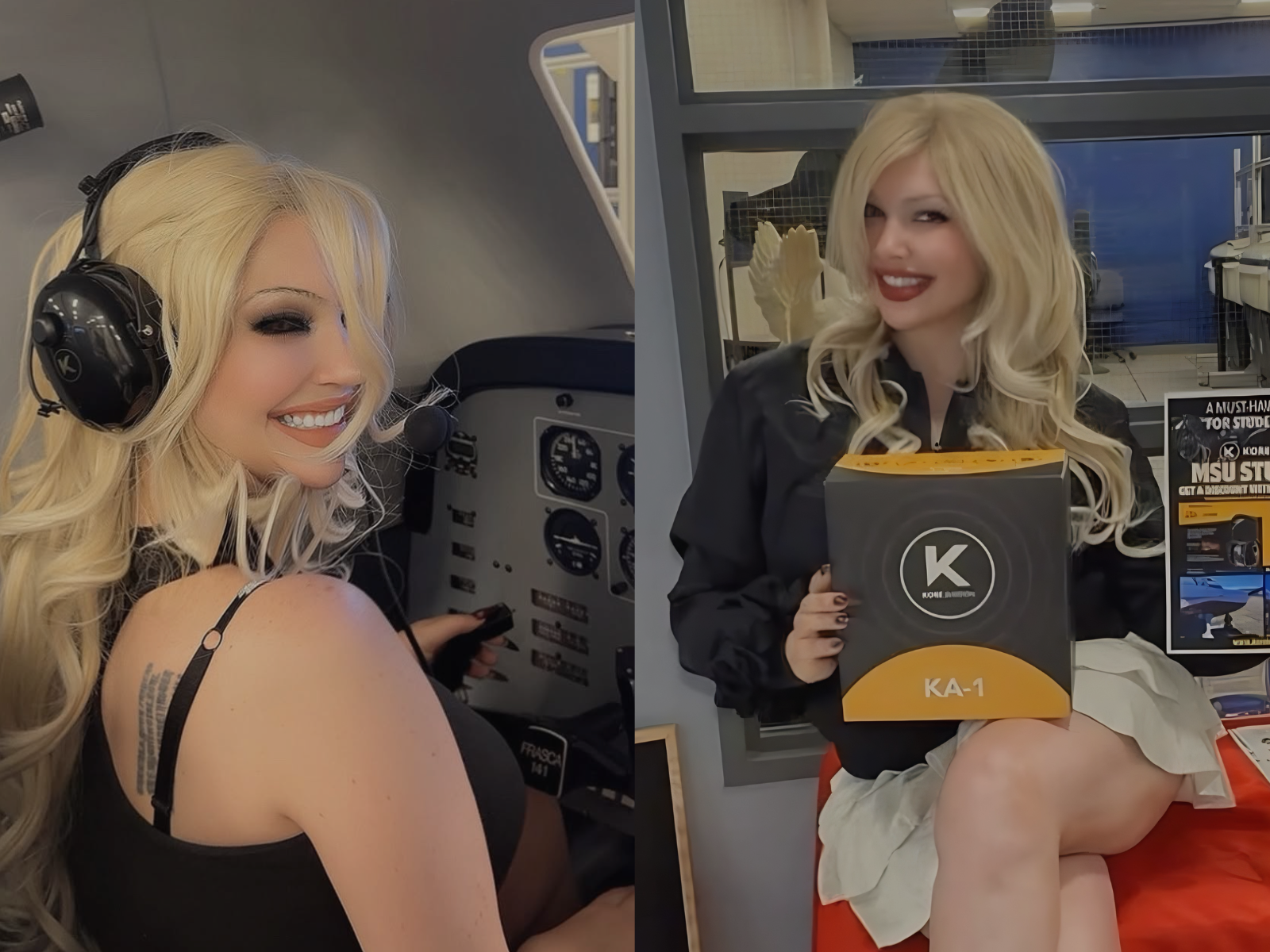
KORE Aviation - Aviation has always had a strong identity. For decades, most people pictured pilots fitting into one narrow image and culture. Carley Pantera, founder of Uncontrolled Aviation, is helping challenge that idea by bringing creativity, art, music, and personal expression into aviation while still respecting the professionalism and responsibility that flying requires.
A lot of younger pilots enter aviation from backgrounds outside traditional flight culture. That is part of why Uncontrolled Aviation connects with so many people entering aviation today.
“Uncontrolled Aviation came from wanting to bring more personality and creativity into aviation while still respecting the professionalism that comes with flying. Aviation can feel intimidating at first, especially for people who do not come from traditional aviation backgrounds.”
— Carley Pantera
Through Uncontrolled Aviation, Carley has built a brand that feels different from traditional aviation media. Her work blends flight training, aviation history, design, and storytelling into something more personal and approachable, especially for younger pilots and creatives entering aviation for the first time.
At the same time, she continues building relationships across the aviation world, including projects connected to the historic 1940s Ball and an upcoming interview with David Neeleman, founder of JetBlue and Breeze Airways.
How Uncontrolled Aviation Started
Carley’s path into aviation did not begin with a lifelong plan to become a pilot. Before flight training, she came from a creative background rooted in art and music rather than traditional aviation culture.
She first learned to fly at Blackpool Airport in England, EGNH, an uncontrolled airport environment that later inspired the name Uncontrolled Aviation.
The name reflected more than airspace classification. It also represented a mindset built around individuality, curiosity, and creativity.
Rather than trying to fit into an existing aviation identity, Carley built a platform that reflected her own experience entering aviation from outside the typical pilot background. That perspective helped Uncontrolled Aviation resonate with student pilots who often feel intimidated during the early stages of flight training.
Why More Young People Are Starting Flight Training
Many newer pilots are discovering aviation differently than previous generations.
Instead of only finding aviation through family connections or military pathways, younger student pilots are entering the industry through YouTube creators, online aviation communities, photography, social media, and storytelling platforms that make flying feel more accessible.
For many beginners, aviation no longer exists only inside airports and flight schools. It also exists online through creators and communities that make pilot training feel relatable and achievable.
That shift has helped more people from nontraditional backgrounds explore aviation for the first time.
Also read: Flight Training Demand Is Surging: Why 300,000 New Pilots Are Needed by 2034?
How Flight Training Shaped the Brand
Like many student pilots, Carley quickly realized aviation is shaped as much by people and culture as it is by regulations and technical knowledge.
After returning from England and attending Metropolitan State University of Denver, she began seeing aviation through a more creative lens. Instead of viewing flying only through checklists and procedures, she became interested in the stories, personalities, and experiences that make aviation culture unique.

One instructor who left a strong impression was Tyler Bachelder, Associate Professor and Assistant Chief Ground Instructor at MSU Denver. Conversations about flight computers, regulations, music, and flying naturally blended together and helped shape the creative direction behind Uncontrolled Aviation.

Those experiences eventually influenced the brand’s early designs, storytelling approach, and overall tone.
Why Student Pilots Are Redefining Aviation Culture
One of the core ideas behind Uncontrolled Aviation is that pilots do not need to lose their individuality to belong in aviation.
Student pilots can care deeply about safety, professionalism, and flight training while still embracing creativity, humor, music, fashion, art, and personal identity outside the cockpit.
That perspective matters because many future pilots still feel intimidated when entering aviation for the first time.
“A lot of people assume they need to fit into one specific image to belong in aviation. The reality is that aviation becomes stronger when different personalities, backgrounds, and perspectives feel welcome in the community.”
Uncontrolled Aviation reflects that evolution in a way that feels genuine rather than manufactured.
The Connection Between Aviation History and Creativity
One of Carley’s latest projects involves designing merchandise connected to the 1940s Ball, an aviation event inspired by the wartime relationship between the United States and Great Britain through legendary aircraft like the Spitfire and Mustang.
The project feels especially meaningful because her flight training experience in England placed her close to the Spitfire Visitor Centre, creating a strong personal connection to aviation history.
For Carley, aviation history is not only about aircraft performance or engineering. It is also about emotion, storytelling, nostalgia, music, and culture.
That combination continues shaping the visual identity behind Uncontrolled Aviation today.
Why Headset Comfort Matters During Flight Training
Like many student pilots, Carley originally chose her aviation headset based on necessity and budget.
During one training flight over San Francisco, her previous headset stopped working unexpectedly in flight. The experience highlighted how important reliable cockpit communication becomes during real flight operations.
After researching alternatives, she discovered KORE Aviation.
As a student pilot, affordability mattered, but comfort quickly became just as important during longer lessons and cross country flights.
"The price point made sense for a student, and it had everything I wanted and needed in a headset. The gel ear seals sold me because my old headset got uncomfortable and annoying quickly, especially for me always having my hair done. I was really excited to get my KA-1."
For many student pilots, headset comfort eventually becomes just as important as audio clarity during flight training.

Student pilots looking for comfortable aviation headsets for training flights can explore options like the KORE Aviation KA-1 designed for long hours in the cockpit and reliable communication during flight instruction.
Also read: Student Pilot Headset Upgrade Guide: When to Move Up and What to Look For
An Upcoming Interview With David Neeleman
Another major step for Uncontrolled Aviation is an upcoming interview with David Neeleman, founder of JetBlue Airways and Breeze Airways.
Interestingly, the connection began years earlier when Carley interviewed Neeleman for her high school newspaper in New York.
Reconnecting years later reflects how much Uncontrolled Aviation has grown from a creative aviation idea into a recognized platform within the aviation community.
Why Student Pilots Connect With Uncontrolled Aviation
Many student pilots enter aviation from completely unrelated industries and backgrounds. Some come from music, technology, art, business, or other creative spaces outside traditional aviation pathways.
Seeing someone build a place in aviation without abandoning their personality can make flight training feel more approachable and achievable.
That sense of accessibility matters because confidence plays a major role during early pilot training.
As aviation culture continues evolving, more pilots are looking for communities and voices that feel authentic, modern, and relatable.
FAQ About Starting Flight Training
1. Can you become a pilot without an aviation background?
Yes. Many student pilots enter aviation from industries like music, technology, business, and creative fields. Modern flight training has become more accessible to people from a wide range of backgrounds.
2. What headset do student pilots use?
Many student pilots look for aviation headsets that provide comfort, clear communication, and durability during long lessons and cross country flights.
3. Why is headset comfort important during flight training?
Student pilots often spend several hours in the cockpit during lessons and training flights. Comfortable ear seals and reliable communication equipment help reduce fatigue and distractions.
4. Is flight training intimidating for beginners?
Flight training can feel overwhelming at first, especially for people without aviation experience. Online aviation communities, creators, and supportive instructors are helping make aviation more approachable for new pilots.
The Bottom Line
Uncontrolled Aviation reflects a different side of modern aviation culture. Instead of separating creativity from flying, Carley Pantera combines aviation, storytelling, design, and personal identity into something that feels more relatable for newer pilots entering flight training today.
As aviation continues evolving, more student pilots are looking for communities and voices that feel authentic rather than traditional. Uncontrolled Aviation represents that shift while still respecting the professionalism and responsibility aviation requires.
For pilots interested in aviation culture, creative storytelling, and a different perspective on flight training, explore more from Uncontrolled Aviation here:
https://www.uncontrolledaviation.com/
And for student pilots looking for comfortable training headsets and reliable communication gear, check out high quality aviation headset options at KORE Aviation Headset to support your training and flying experience.


