

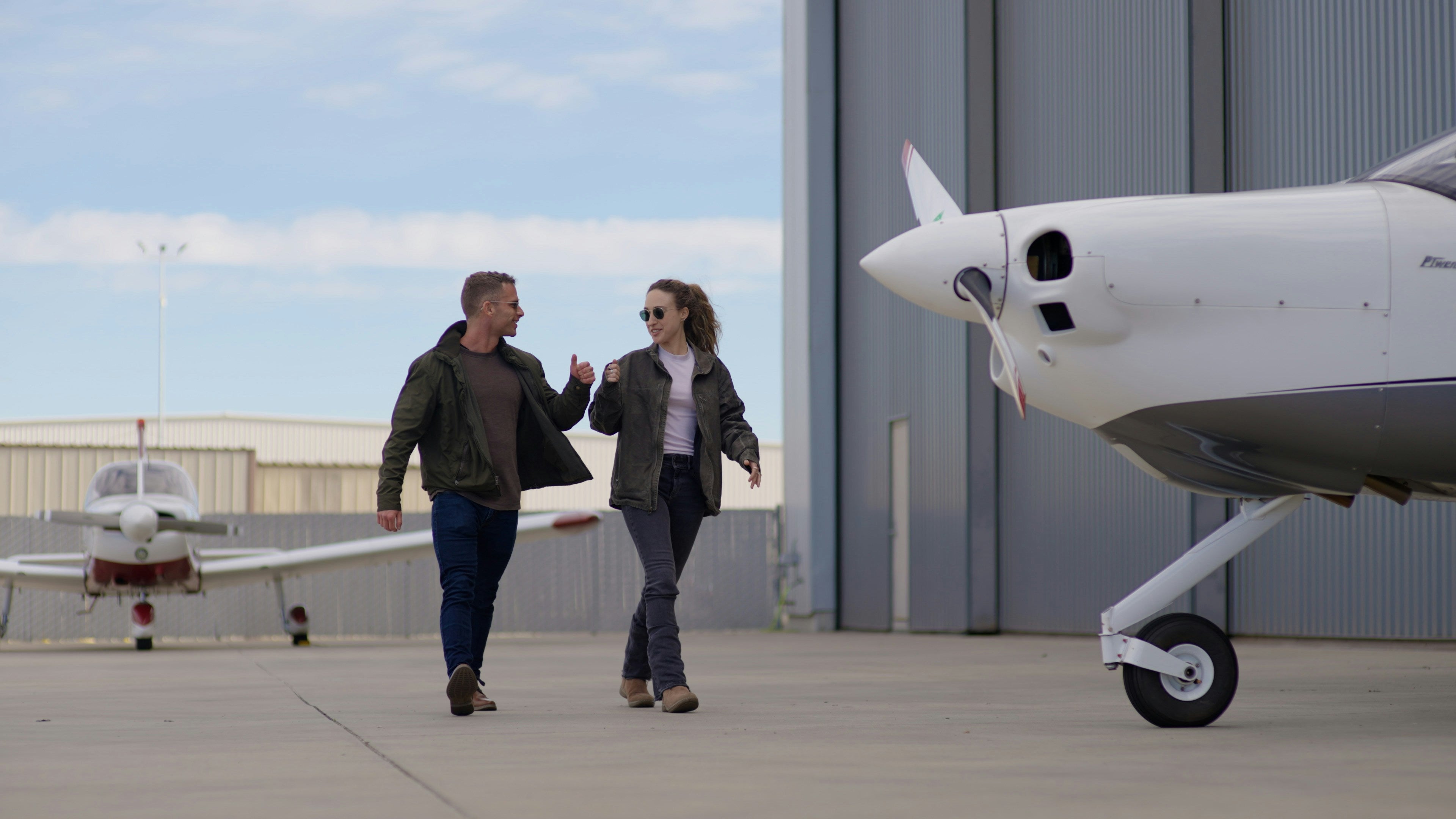
Kore Aviation - If you are asking how to prepare for flight school?, you are already ahead of many new student pilots. Flight training is exciting, but it can also feel overwhelming if you show up unprepared. The good news is that success in flight school starts long before your first takeoff.
This guide walks you through what to expect, what to study, what to buy, and how to think like a pilot before day one. It is written in simple US English and focuses on practical steps that help you learn faster, save money, and feel confident in the cockpit.
By the end, you will know exactly how to prepare for flight school and what separates successful students from those who struggle early.
What To Do BEFORE You Start Flight Training?
Before you log your first flight hour, there are several critical steps you should complete. These steps reduce stress and help you focus on learning instead of scrambling.
1. Understand the commitment
Flight school is not like a regular class. You must study between lessons, show up prepared, and stay consistent. Expect to spend time outside the cockpit reading, watching training videos, and reviewing notes.
2. Choose the right flight school
Visit the school if possible. Talk to instructors. Ask about aircraft availability, scheduling, and training structure. A supportive environment matters more than fancy airplanes.
3. Budget realistically
Training costs add up. Aircraft rental, instructor time, books, exams, and gear all matter. Planning your budget early helps avoid long breaks that slow learning.
4. Set a weekly schedule
Consistency matters. Flying once every two weeks slows progress. Two to three flights per week is ideal for most students.
5. Understand the Different Flight Training Paths
Knowing where you are headed helps you prepare smarter.
-
Private pilot path
Most students start here. This focuses on basic aircraft control, navigation, and safety. -
Career pilot path
If your goal is airlines or commercial flying, you may continue through instrument, commercial, and multi engine training. -
Recreational or hobby flying
Some pilots fly purely for fun. Even then, preparation still matters for safety and confidence.
No matter your goal, learning how to prepare for flight school is the foundation.
6. Medical and Paperwork Preparation
You cannot solo or earn a license without the proper documents.
-
FAA medical certificate
Schedule your medical exam early. If there are issues, it is better to know before investing heavily. -
Student pilot certificate
Most students apply online through the FAA. Your instructor can help guide you. -
Government ID and logbook
You will need identification and a logbook to record training hours from day one.
7. What to Study Before Flight School Starts?
One of the biggest mistakes students make is showing up with zero knowledge.
-
Basic aerodynamics
Learn lift, drag, thrust, and weight. Understand how pitch affects airspeed and altitude. -
Aircraft parts
Know the primary flight controls, engine basics, and cockpit instruments. -
Aviation vocabulary
Learning terms early helps communication with your instructor. -
Airport operations
Understand runways, taxiways, traffic patterns, and radio basics.
This preparation shortens your learning curve significantly.
Ground School Before or During Training
Many students ask whether they should finish ground school first.
-
Benefits of starting early
You understand why you are doing each maneuver. -
Benefits of doing both together
Seeing theory applied in real flight reinforces learning.
Both approaches work. What matters is consistency.
Also read: Ground School vs. Flight School: What’s the Difference?
Flight Training Equipment You Should Have
You do not need everything on day one, but some items help immediately.
1. Headset
Clear audio is essential. Student pilots benefit from comfortable, lightweight headsets that do not distract during lessons.
If you want better audio quality and less cockpit stress, check out Kore Aviation premium and affordable headsets. Designed for durability and clarity for flights.

2. Kneeboard
Helps organize notes and checklists.
3. Logbook
Track progress and hours accurately.
4. Flight bag
Keeps everything organized and ready.
How to Prepare for Flight School?
Tips to Mentally Prepare for Flight School
Your mindset matters more than talent.
-
Expect mistakes
Everyone struggles with landings at first. That is normal. -
Ask questions
Good students ask early and often. -
Stay calm
Stress blocks learning. Breathe and focus. -
Trust the process
Progress is not linear. Improvement comes with repetition.
Read More: 15 Tips for Success in Flight Training School: How to Excel as a Student Pilot
Physical Preparation and Health
Flying requires mental focus and physical comfort.
-
Sleep
Fatigue slows reaction time. -
Hydration
Dehydration affects concentration. -
Nutrition
Avoid heavy meals before flying. -
Motion awareness
If you feel motion sickness, talk to your instructor early.
Cost Saving Tips Before You Start
Training smart saves money.
| Tip | Why It Helps |
|---|---|
| Fly consistently | Fewer review lessons |
| Study before flights | Less time repeating basics |
| Use simulators | Practice procedures cheaply |
| Buy used books | Same content lower cost |
Footnote: Based on common flight school training outcomes.
What Instructors Expect From New Students
Understanding expectations helps you succeed.
- Show up early
- Be prepared
- Listen carefully
- Accept feedback
- Review mistakes
Instructors want you to succeed. Preparation shows respect for their time.
Common Mistakes New Students Make
Learning from others saves frustration.
-
Not studying between lessons
Flight time is expensive. Use it wisely. -
Flying too infrequently
Long gaps slow skill retention. -
Comparing yourself to others
Everyone learns at a different pace. -
Skipping basics
Strong fundamentals lead to smooth progress.
How Long It Takes to Feel Comfortable?
Most students feel overwhelmed at first.
- First 5 hours feel confusing
- By 10 to 15 hours things click
- Solo usually comes later with confidence
Preparation shortens this timeline.
Read More: How Long Is Pilot Training and What to Expect on Your Flight Path?
Technology That Helps Student Pilots
Technology supports learning when used correctly.
- Electronic flight bag apps
- Online weather tools
- Training videos
- Flight simulators
These tools help visualize concepts before real flights.
Comparing Prepared vs Unprepared Students
| Prepared Student | Unprepared Student |
|---|---|
| Studies ahead | Shows up cold |
| Asks questions | Hesitates |
| Progresses faster | Needs repeats |
| Spends less overall | Spends more long term |
Preparation pays off.
Why Early Preparation Builds Safer Pilots
Safety starts before the engine starts.
Prepared pilots:
- Make better decisions
- Communicate clearly
- Handle stress better
- Build confidence steadily
This is why learning how to prepare for flight school matters.
Creating Your Personal Flight School Preparation Plan
Here is a practical checklist you can follow before and during your first months of flying:
| Task | Why It Matters |
|---|---|
| Get FAA Medical | Needed to fly solo and meet regulatory requirements |
| Study Ground School | Lays foundation for safe flying and exams |
| Gather Gear Early | Prevents delays on lesson days |
| Set Consistent Schedule | Encourages retention and progress |
| Practice Radio Calls | Improves communication skills |
| Connect With Pilots | Provides insights and mentoring |
| Review Logs Weekly | Tracks progress and corrects patterns |
Footnote: Checklist items reflect common advice from flight training resources and student pilot blogs.
Also read: First Flight Lessons: What to Expect & How to Prepare?
The Role of Mindset and Consistency in Flight Training
Flight training breeds confidence when paired with consistency. Progress does not come overnight. When you practice regularly, keep study blocks short but steady, and ask questions, you build judgment that makes you a safer pilot. Consistent scheduling, mental preparation, and patient learning are all part of how to prepare for flight school successfully.
FAQs: How to Prepare for Flight School?
-
What is the first step in learning how to prepare for flight school?
Start with research, medical certification, and an understanding of what flight training involves. Early study makes later lessons easier. -
How long should I study before flight school starts?
Build a routine with daily or weekly blocks of study focused on basic theory, weather, airspace and regulations. Starting early saves time and reduces stress later. -
Do I need to buy flight gear before training begins?
Essentials like a headset, logbook, and basic reference books help you stay organized and comfortable. Gear can include chart tools or tablet apps. -
Can I prepare with a flight simulator?
Yes. Simulators help reinforce procedures, radio calls and basic maneuvers, acting as valuable prep before real instruction. -
What should I do the night before my first lesson?
Review your notes, rest well, and set up your gear. Early preparation helps your focus during lessons. -
Is ground school studied before or along with flight lessons?
Ground school typically begins before or alongside flight training, laying the theoretical foundation you’ll apply in the cockpit.
Summary
If you are asking how to prepare for flight school, start early. Complete your paperwork, study basic aerodynamics, understand airport operations, budget realistically, and stay consistent. Preparation saves money, reduces stress, and helps you become a confident and safe pilot faster.
Also, equip yourself with tools that support learning and comfort. A reliable headset makes a difference during every lesson. Explore student friendly pilot headsets and training gear at Kore Aviation


