

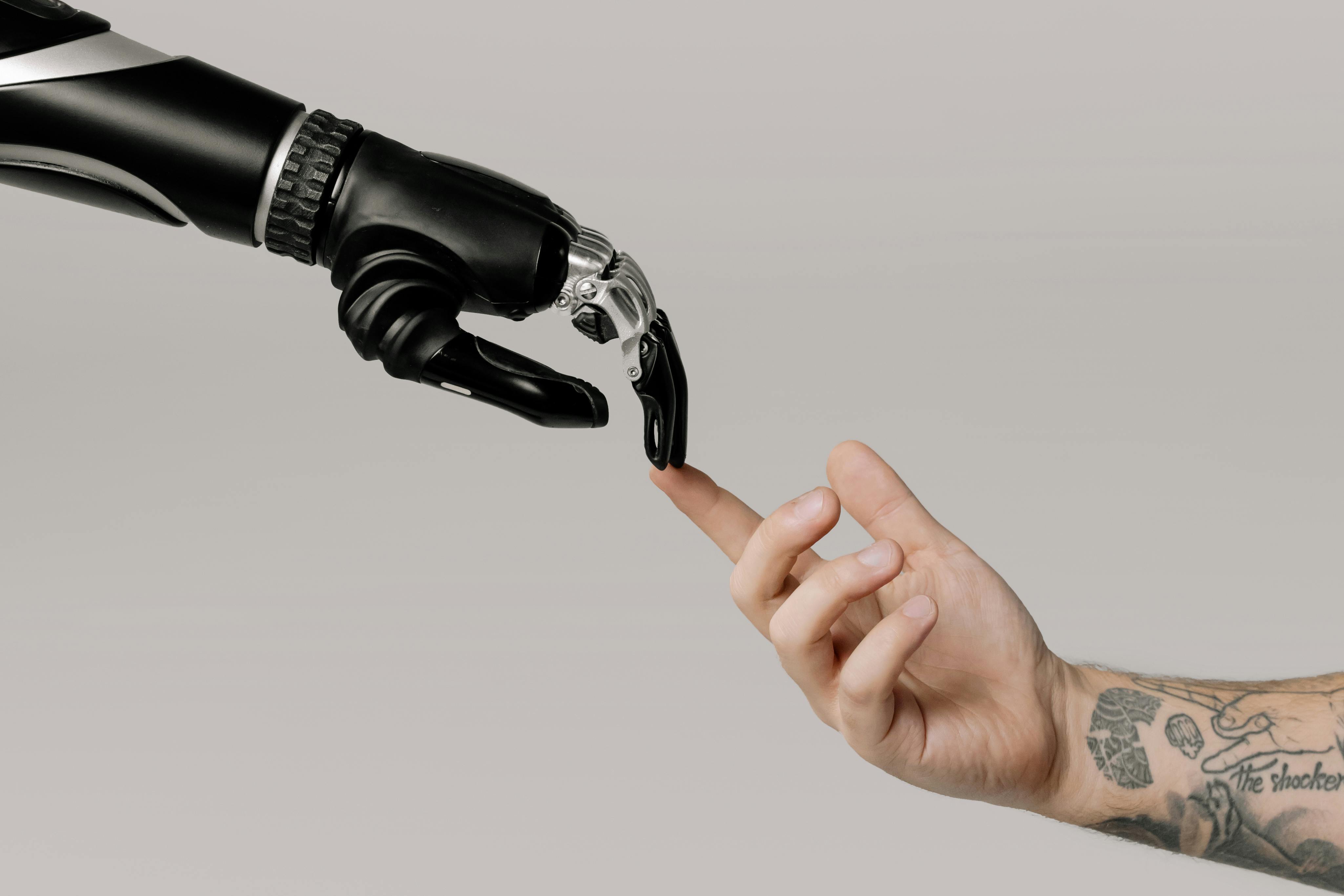
KORE Aviation - Will AI replace pilots? It’s a question being asked more and more as technology takes over complex tasks across industries. From driverless cars to autonomous drones, artificial intelligence is reshaping how we interact with machines. Aviation is no exception.
But will AI actually replace human pilots entirely? Or is the future of flight a collaboration between man and machine? In this article, we break down how AI works in aviation, its current limitations, and why skilled human pilots still matter more than ever.
How AI Is Already Being Used in Aviation
AI isn't some distant dream. It's already working in cockpits today, just not in the way many people assume.
1. Autopilot Systems
Modern aircraft rely on autopilot for most of the flight. These systems use algorithms and sensors to maintain altitude, navigate waypoints, and even land under low-visibility conditions.
But the pilot is still responsible for monitoring, taking control in emergencies, and making real-time decisions.
2. Flight Planning Tools
AI helps dispatchers and pilots optimize routes based on weather, fuel usage, and air traffic. Software can suggest the most efficient path, but it doesn’t replace the pilot’s judgment.
3. Predictive Maintenance
Airlines now use AI to analyze engine data and predict failures before they happen. This improves safety and reduces delays, but again, it’s a tool, not a replacement for people.
The Key Question: Will AI Replace Pilots?
The short answer? Not any time soon. Here’s why the idea that AI will replace pilots is more science fiction than reality in the near term.
1. AI Can’t Handle the Unexpected
AI excels at patterns and pre-set scenarios. But flying often involves complex, unpredictable challenges: weather shifts, mechanical issues, or medical emergencies onboard. Human pilots are trained to adapt instantly, something current AI can’t match.
2. Regulatory Barriers Exist
Replacing pilots would require massive changes to FAA, EASA, and ICAO regulations. Certification for autonomous aircraft would take years of testing, validation, and debate.
3. Passenger Trust
Most travelers are not ready to fly in a fully autonomous aircraft. Studies show that people want the reassurance of a human in the cockpit, especially during turbulence or emergencies.
4. AI Still Relies on Human Input
AI needs training data. It learns from thousands of flights flown by real people. Without pilots, there’s no one to update or train these models as aircraft and technology evolve.
Discover More: How Hard Is It to Become a Pilot?
Will AI Replace Pilots in Specific Roles?
-
Cargo Flights
Autonomous flight may arrive first in cargo operations. Without passengers, the risks are lower. Companies like Xwing and Reliable Robotics are already testing cargo drones. -
Remote Operations
Some aircraft may have one pilot in the cockpit and another supervising remotely. AI assists, but humans stay in control. -
Urban Air Mobility
eVTOL aircraft for short-distance flights may be semi-autonomous. But even these designs often include pilots, especially in the early stages of operation.
What AI Can Do Better Than Pilots
While AI won’t replace pilots, it does outperform in some areas:
-
Quick data analysis
AI can process weather, terrain, and system data in milliseconds. -
Fatigue-free performance
AI doesn’t get tired or distracted like humans can. -
Constant awareness
Sensors don’t blink or miss instrument alerts.
But the human pilot remains essential for big-picture thinking, ethical decisions, and judgment in gray areas.
Whether AI helps or not, pilots need clear communication and comfort. Read our guide on How to Choose and Test an Aviation Headset Before Your First Flight
FAQs: Will AI Replace Pilots?
-
Can AI fully fly an airplane today?
Technically, yes in perfect conditions. But in real-world operations, AI cannot handle all situations without pilot backup. -
Will AI reduce the number of pilots needed?
Possibly in cargo or multi-pilot cockpits, but widespread removal of pilots is unlikely in the next two decades. -
Are there planes with no pilots?
Some military drones and small test aircraft fly autonomously. Commercial passenger jets still require at least one pilot. -
Is pilot a dying career?
Not at all. In fact, demand for commercial pilots is expected to rise as global travel increases, despite growing tech. -
How is AI helping pilots today?
AI assists with autopilot, weather routing, traffic avoidance, and predictive maintenance. It enhances the pilot's decision-making. -
What’s the biggest limitation of AI in aviation?
Its inability to reason or respond to novel emergencies the way a human brain can.
Conclusion
So, will AI replace pilots? The answer for now is no. AI is a powerful tool that helps improve flight safety and efficiency, but it still depends on the training, judgment, and adaptability of real human pilots.
As tech evolves, pilots who understand how to work with AI, not compete against it, will thrive.
Ready to take your flight training to the next level? Choose KORE Aviation. Their student pilot headset lineup helps you hear every call clearly and train with focus and comfort.


