


KORE Aviation - In-ear pilot headsets sound appealing at first. They are small, lightweight, and feel like a cleaner setup compared to traditional over-ear headsets. But once you get into real cockpit conditions, the decision becomes less about convenience and more about what actually works over time.
Both options have their place. The real question is which one fits the way most pilots actually fly. For a lot of general aviation pilots, especially in training aircraft, that answer still leans toward over-ear headsets for one simple reason. They are more consistent.
What Is an In Ear Pilot Headset?
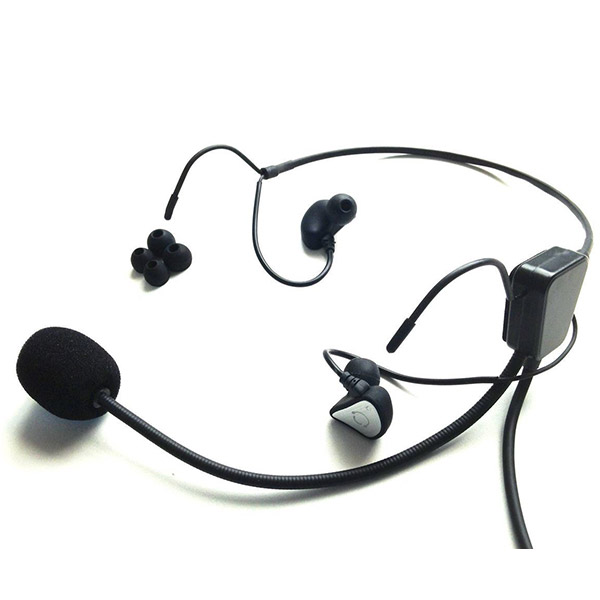
An in-ear pilot headset replaces the traditional ear cups with earbuds or in-ear monitors (IEMs). Instead of surrounding your ear, the audio goes directly into your ear canal. Most setups include a separate microphone, either on a boom or mounted closer to your collar.
Systems like Clarity Aloft have been around for a while and have a loyal following. They tend to appeal to pilots who want something lighter, wear glasses regularly, or simply do not like the feel of a traditional headset.
What Is an Over-Ear Aviation Headset
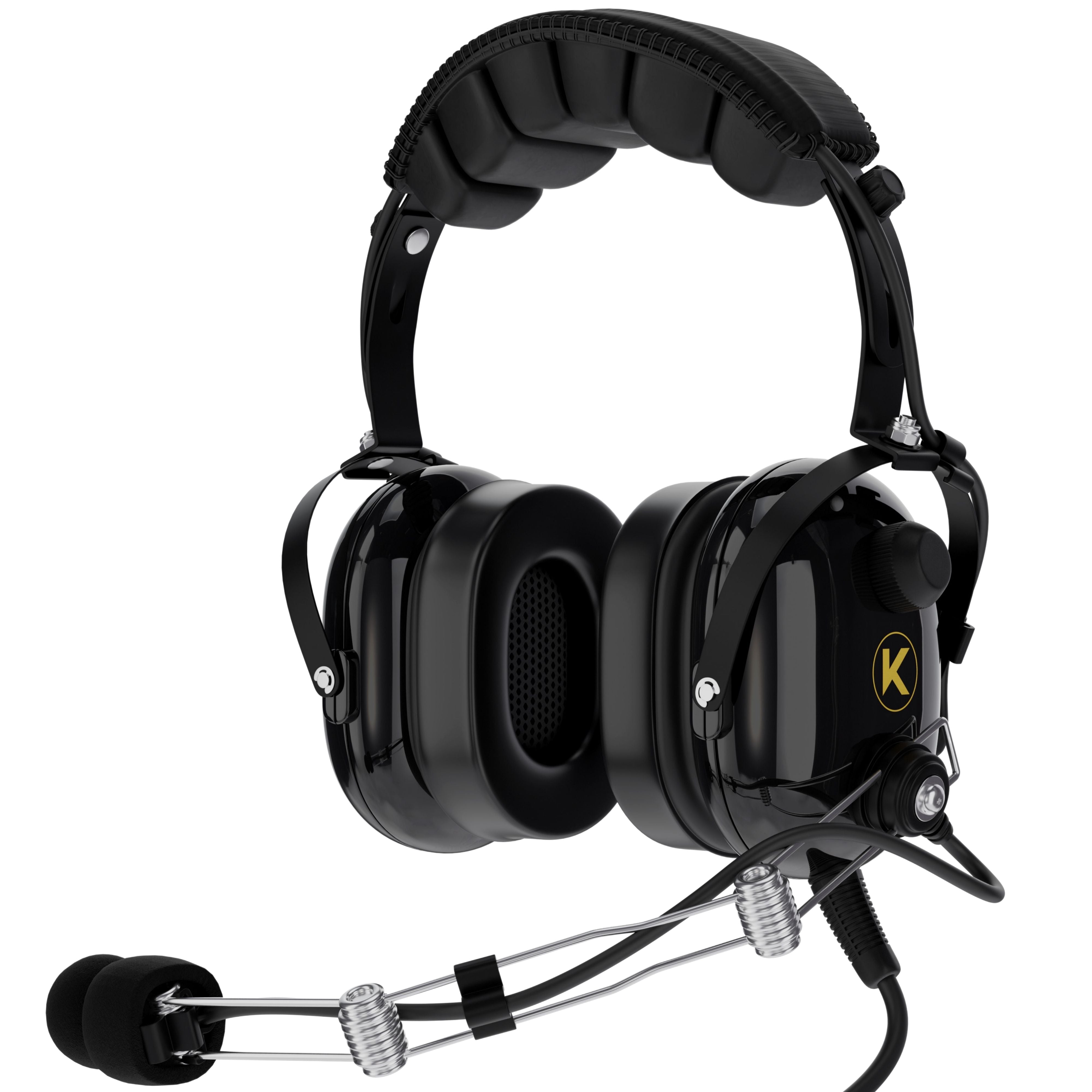
An over-ear headset is what most pilots picture when they think of aviation gear. It uses ear cups that fully surround your ears, creating a seal that blocks outside noise while delivering clear audio through built-in speakers.
This is still the standard setup in most training aircraft, flight schools, and checkrides. Headsets like the KORE KA-1 and David Clark H10-13.4 fall into this category. They are built for consistency, durability, and everyday use in louder cockpit environments.
The Reality: Cockpit Noise Is Not Subtle
Before getting into preferences, it helps to understand what you are dealing with. Most general aviation cockpits sit somewhere between 85 and 110 dB, depending on the aircraft and conditions. That is loud enough that over time, it can affect your hearing if you are not properly protected.
It does not always feel extreme in the moment. But over dozens of flights, it adds up. That is where headset choice starts to matter more than people expect.
Also read: Why Do Pilots Wear Headphones? Aviation Essentials Explained
How In-Ear Headsets Perform in Practice
In-ear headsets rely on a tight seal inside your ear canal. When the fit is perfect, they can reduce noise in the 20 to 26 dB range, which is solid. The challenge is consistency.
A small shift, the wrong ear tip size, or even just movement during the flight can change how well that seal holds. Some flights feel great. Others feel slightly off. That unpredictability is what makes in-ear setups harder to rely on, especially for student pilots.
How Over-Ear Headsets Perform in Practice
Over-ear headsets take a different approach. Instead of relying on a small contact point inside your ear, they create a full seal around it. That makes noise reduction more stable and repeatable. You put it on, and it works the same way every time.
Headsets like the KORE KA-1 use gel ear seals to maintain that seal even over long flights. That helps keep both comfort and noise reduction consistent from lesson to lesson. For most pilots, that reliability becomes more important than small differences in specs.
In Ear vs. Over-Ear: A Straight Comparison
| Feature | In Ear Pilot Headset (e.g., Clarity Aloft) | KORE KA-1 (Over-Ear PNR) | David Clark H10-13.4 (Over-Ear PNR) |
|---|---|---|---|
| Passive Noise Reduction (PNR) | ~20–26 dB (fit-dependent) | 24 dB | 23 dB |
| Ear Seal Type | Silicone/foam ear tips | Gel ear seals (included) | Foam seals (gel +$50 extra) |
| Comfort for Glasses Wearers | Excellent | Good (gel seals conform) | Fair (foam can press frames) |
| Consistent Noise Seal | Variable (fit-dependent) | Consistent | Consistent |
| Noise-Canceling Mic | Varies by model/setup | Yes (included) | Yes (included) |
| Stereo Audio / AUX Input | Sometimes | Yes (MP3/AUX included) | No AUX, mono only |
| Warranty | Varies (often 1–2 years) | 5 years | 5 years |
| Price (approx.) | $200–$400+ | ~$220 | ~$400–$450 |
The table already shows the tradeoff most pilots are deciding between. In-ear gives you flexibility and comfort in certain cases. Over-ear gives you consistency and fewer variables to manage.
When an In-Ear Pilot Headset Actually Makes Sense
There are definitely situations where in-ear headsets work well:
- Glasses wearers with chronic headset pressure pain: If traditional headsets press your frames into your temples for hours, in-ear options eliminate that problem entirely.
- Long-haul cross-countries: Some pilots find IEMs more comfortable over 4–6+ hour flights where clamping pressure becomes fatiguing.
- Hot weather flying: No ear cups means no sweating underneath foam or gel seals.
- Quieter aircraft: In a relatively quiet cockpit (think newer LSAs or gliders), the fit-variability concern is less critical because baseline noise is lower.
Where Over-Ear Still Has the Edge
For most student pilots and general aviation pilots flying Cessnas, Pipers, or similar trainers, an over-ear passive headset is the smarter starting point. Here's why:
- Consistent, certified noise attenuation: The 24 dB PNR rating on the KA-1 is measured and consistent. Not dependent on whether you got the ear tip seated perfectly before engine start.
- Simpler setup: Plug in, put on, fly. No fiddling with ear tips, boom mic positioning on a separate clip, or wondering if your seal is good today.
- Better value at the mid tier: A quality over-ear PNR headset at $224.95 with gel seals, stereo audio, an AUX input, and a 5 year warranty gives you more features per dollar than most in-ear setups in the same price range.
- Instructor and examiner compatibility: Traditional headsets are the norm in training environments. Dual-plug GA wiring is universal. Some in-ear systems require adapters or have compatibility quirks with older intercoms.
Also read: What Is PNR for an Aviation Headset? A Simple Guide to Passive Noise Reduction in the Cockpit
Where Over-Ear Headsets Like the KORE KA-1 Fit In
This is where everything starts to come together. If you are leaning toward over-ear for consistency, then the next question becomes which type of over-ear headset actually makes sense. That is where mid-range options like the KORE Aviation KA-1 stand out.
It covers the basics that matter:
- 24 dB passive noise reduction
- gel ear seals that stay comfortable
- simple plug and use setup
- durability for long term training
For a lot of student pilots, that kind of consistency matters more than extra features.
The Comfort Factor Most People Miss
A lot of pilots start looking at in-ear headsets after a bad experience with a basic over-ear model. Most of the time, the issue is not really the over-ear design itself. It is the cheap materials that often come with entry level headsets, especially foam ear seals. Foam works at first, but it flattens over time, loses its shape, and can create pressure points during longer flights.
That is where a better over-ear headset changes the picture. Gel ear seals tend to sit more comfortably, spread pressure more evenly, and keep a better seal around the ear. In-ear can still make sense for pilots who want the lightest possible setup or who struggle with glasses pressure, but a good over-ear headset often solves the same comfort problem while giving you a more consistent and familiar training setup.
What Actually Matters in Real Use
At the end of the day, this decision usually comes down to a few practical things whether it's in-ear or over-ear. Consistency matters more than peak performance. A headset that works the same way every flight is easier to trust. Comfort matters over time, not just during the first hour. Small pressure points turn into distractions during longer lessons.
Simplicity matters, especially during training. The less you have to adjust or think about, the easier it is to stay focused on flying.
Frequently Asked Questions
1. Are in-ear pilot headsets allowed in aviation
Yes. As long as they connect properly to the aircraft communication system, they can be used in general aviation.
2. How much noise reduction do in-ear headsets provide
Usually around 20 to 26 dB, but it depends on how well they fit in your ears.
3. Are over-ear headsets better for training?
For most student pilots, yes. They are easier to use and more consistent in training aircraft.
4. Do in-ear headsets work in all aircraft?
Not always. Some may need an adapter or a specific setup, so it is worth checking before you buy.
5. How do I know which one is better for me?
Choose in-ear if you want something lighter and you already know you like that style. Choose over-ear if you want something simpler and more consistent for training.
Bottom Line: Which Should You Buy?
If you're a student pilot or GA pilot buying your first or next headset, start with a proven over-ear passive headset. The KORE Aviation KA-1 hits the sweet spot: 24 dB PNR, gel ear seals included, noise-canceling mic, stereo audio with AUX, and a 5-year warranty at $224.95. That's David Clark-level protection at roughly half the price without the gamble on in-ear fit consistency.
If you've been flying for years, already own a solid over-ear headset, and you specifically struggle with pressure fatigue or glasses discomfort on long flights, then an in-ear system could be a worthwhile secondary option. But for most pilots, most of the time, over-ear wins.
Check out KORE Aviation KA-1, premium and affordable headsets if you want strong performance without spending more than you need.


