

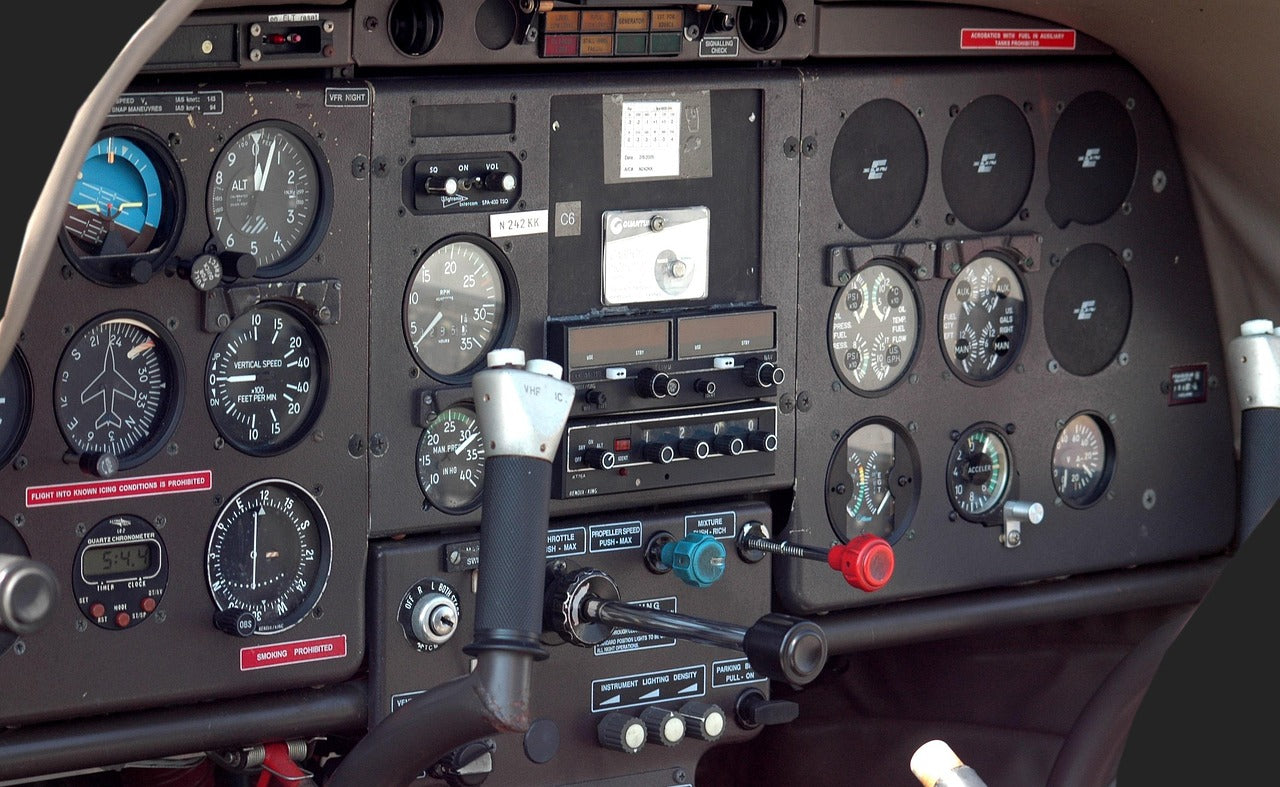
Kore Aviation - Your journey toward becoming a pilot begins with first flight lessons. Those first few hours in the cockpit are full of excitement, nerves, and learning. Knowing what to expect can ease your mind and help you get the most from the experience.
In this article, we’ll cover:
- What happens during your first flight lessons
- How to prepare mentally and physically
- Common maneuvers and skills you’ll practice
- How instructors guide you from day one
- Tips on choosing your headset and gear (like Kore Aviation)
Let’s get you ready for takeoff.
What Happens During Your First Flight Lessons
Your first flight lessons typically begin with a mix of ground briefing and actual flight time. Most lessons last 60 to 90 minutes, though the time in the air may be shorter.
Here’s a breakdown of what you’re likely to experience:
| Phase | What Happens | Purpose / Learning Goal |
|---|---|---|
| Ground Briefing | Instructor reviews basics: controls, instruments, safety procedures, and lesson plan | Build context and reduce surprise in the air |
| Preflight Inspection / Walk around | You and instructor walk around the plane, checking fuel, control surfaces, tires, etc. | Learn safety habits and how to spot potential issues |
| Cockpit Familiarization | Learn positions of controls, instrument panel, throttle, yoke, rudder, etc. | Understand where everything is before flying |
| Taxi & Radio Communication | Instructor handles most, you may assist in taxi. Radio calls to ground control | Introduce you to real airport operations |
| Takeoff & Climb | Instructor performs takeoff, gradually lets you feel control inputs | Safely experience the sensation of leaving the ground |
| Basic Maneuvers | Straight and level flight, gentle turns, climbs, descents | Start building control feel and coordination |
| Return & Landing | Instructor guides landing; you may practice partial control | Learn pattern work and aircraft handling on final approach |
| Debriefing / Feedback | Instructor reviews your performance, gives feedback, sets goals | Reinforce learning and pinpoint improvement areas |
During those first lessons, you’ll mainly feel what it’s like to fly. Instructors guide carefully, handling critical phases and letting you take control gradually.
Read More: Understanding 7 Phases of Flight
How to Prepare for Your First Flight Lessons
Mental & Physical Prep
- Study basics: Understand simple aerodynamics, flight controls (pitch, roll, yaw), and how they affect the aircraft.
- Relaxation techniques: Deep breathing or mindfulness help control nerves.
- Rest & nutrition: Be alert. Flying requires mental focus.
- Clothing & gear: Wear comfortable clothes, closed‑toe shoes, sunglasses. Avoid bulky jackets in small cockpits.
Documents & Items to Bring
- Valid photo ID (driver’s license, passport)
- Any materials the flight school gave you
- Notebook / small logbook for notes
- Water (lessons can be mentally draining)
- Gear like aviation headset
School & Instructor Research
- Visit flight schools in person
- Ask about instructor experience, student feedback
- Review fleet condition and scheduling flexibility
- Ensure instructor personality and teaching style match your learning style
A good fit between you and your instructor matters a lot.
Read More: How Long Is Pilot Training and What to Expect on Your Flight Path?
Skills & Maneuvers You’ll Begin to Learn
In your first flight lessons you won’t master everything, but you’ll touch many foundational skills. Expect to explore:
-
Straight & Level Flight
Maintaining constant altitude and heading. -
Gentle Turns / Banked Turns
Handling roll and maintaining coordinated flight. -
Climbs & Descents
Control of pitch and power adjustment. -
Instrument Awareness
Glance at altimeter, airspeed, attitude indicator as you fly. -
Traffic Patterns & Landing Procedures
Understanding approach paths and basic landing technique. -
Radio / ATC Calls (if applicable)
Simple communications, standard phraseology.
These are all introductory steps; refined control comes with time and repetition.
Read More: Which Aviation Headset Is Right for Beginner Student Pilots?
Tips to Maximize Learning from Your First Flight Lessons
- Take notes after debrief — you’ll forget many details otherwise
- Review what you learned before next lesson
- Stay engaged in ground briefings — they form the foundation
- Don’t fear mistakes — instructors expect them and learn from them
If you make each lesson count, you’ll progress more smoothly.
How to Get the Most from Your First Flight Lessons
| Tip | Why It Helps |
|---|---|
| Study maneuvers ahead of time | You’ll understand what the instructor is showing |
| Practice “chair flying” | Mentally simulate controls & responses (even on the ground) |
| Ask questions & repeat back | Reinforces understanding and avoids assumptions |
| Fly often (2–3 times a week) | Retention improves and you reduce review time between lessons |
| Rest and stay hydrated | Mental clarity makes learning more efficient |
| Keep a syllabus or training outline | Helps you track progress and stay focused |
| Use your own clean headset | Comfort and clarity make communication easier. |
These tips help your first flight lessons feel less chaotic and more rewarding. Using quality gear from the start helps build comfort and consistency in every lesson.
Your headset plays a bigger role than you might expect.
Check out Kore Aviation premium and affordable headsets, designed for durability and clarity.

Timeline of a Sample First Flight Lesson
| Phase | Duration Estimate | Activities |
|---|---|---|
| Ground briefing | 15–20 minutes | Safety, controls, radio calls, expectations |
| Walk‑around inspection | 5–10 minutes | Exterior checks, fuel, control surfaces |
| Cockpit setup & systems check | 5–10 minutes | Seat, harness, switches, checklist |
| Taxi & takeoff | ~5 minutes | Ground movement, runway alignment, liftoff |
| In‑flight maneuvers | 10–20 minutes | Straight flight, turns, climbs, maybe control input |
| Landing & taxi back | ~5 minutes | Approach, landing, return to ramp |
| Debrief | 10 minutes | Review, Q&A, next steps |
Note that total time depends on the flight school and aircraft availability; many first flights last 60–90 minutes including ground segments.
Common Emotions & How to Handle Them
It’s normal to feel:
- Excitement and awe
- Nervousness or jitters
- Information overload
- Fatigue by the end of the lesson
To manage this:
- Breathe deeply and slow your pace
- Focus on one task or instrument at a time
- Don’t dwell on mistakes, learning curves happen to every pilot
- Take notes right after landing
Your instructor expects these feelings and plans for them.
Read More: 10 Common Student Pilot Mistakes and How to Avoid Them
When Does First Flight Lead to Solo?
Your first solo flight is a major milestone: flying the aircraft by yourself for the first time, usually within the airport traffic pattern (takeoff, circuit, landing).
It typically comes after you’ve demonstrated:
- Competency in basic maneuvers
- Safe control in takeoff, turns, approach, landing
- Solid judgment and decision making
The number of hours required varies by student, instructor, and conditions. Some students solo after 10 to 30 hours of instruction.
Read More: What Are the Student Pilot Solo Flight Requirements?
Read More: How to Prepare for the First Solo Flight?
FAQ — First Flight Lessons
-
Do I need any experience before first flight lessons?
No. Most students begin with no formal experience. Your instructor guides everything. -
How long is the first lesson?
Typically 60 to 90 minutes including ground briefing. -
Will I fly by myself on the first lesson?
No. Your instructor handles critical phases. Later you will gradually take more control. -
Can the first lesson count as logged time?
Yes, if you receive dual instruction, it can be logged in your pilot logbook. -
What aircraft do beginners fly?
Mostly single-engine training planes like Cessna 172 or similar. -
What if I’m nervous or scared?
That’s normal. Good instructors are patient. Focus on learning, stay calm, and communicate concerns. -
When will I start learning navigation and soloing?
After a number of lessons, often once you log enough hours and show consistent control. Timing depends on progress.
Final Thoughts
Your first flight lessons are more than just a ride, they’re the beginning of a lifetime in aviation. Embrace the experience, absorb ground briefings, take your turn at maneuvers, and learn from feedback. Over time you’ll build toward your solo, instrument training, and more.
Meanwhile, your gear matters. A reliable headset helps you hear clearly, focus in noisy cockpits, and stay comfortable throughout your training. Consider investing in a quality pilot headset from Kore Aviation, you’ll appreciate the clarity and durability as your flight hours grow.


